Get your free personalized podcast brief
We scan new podcasts and send you the top 5 insights daily.
The Venezuelan regime strategically placed earthquake relief on the negotiation agenda. This serves as a pretext to discuss their primary goals: relief from foreign sanctions and access to frozen state assets, framing them under a humanitarian guise.
Related Insights
U.S. sanctions, intended to pressure the Venezuelan regime, create a legal barrier that prevents creditors and the government from even beginning negotiations on restructuring its defaulted debt. The path to resolution is ironically blocked by the very policy designed to force it.

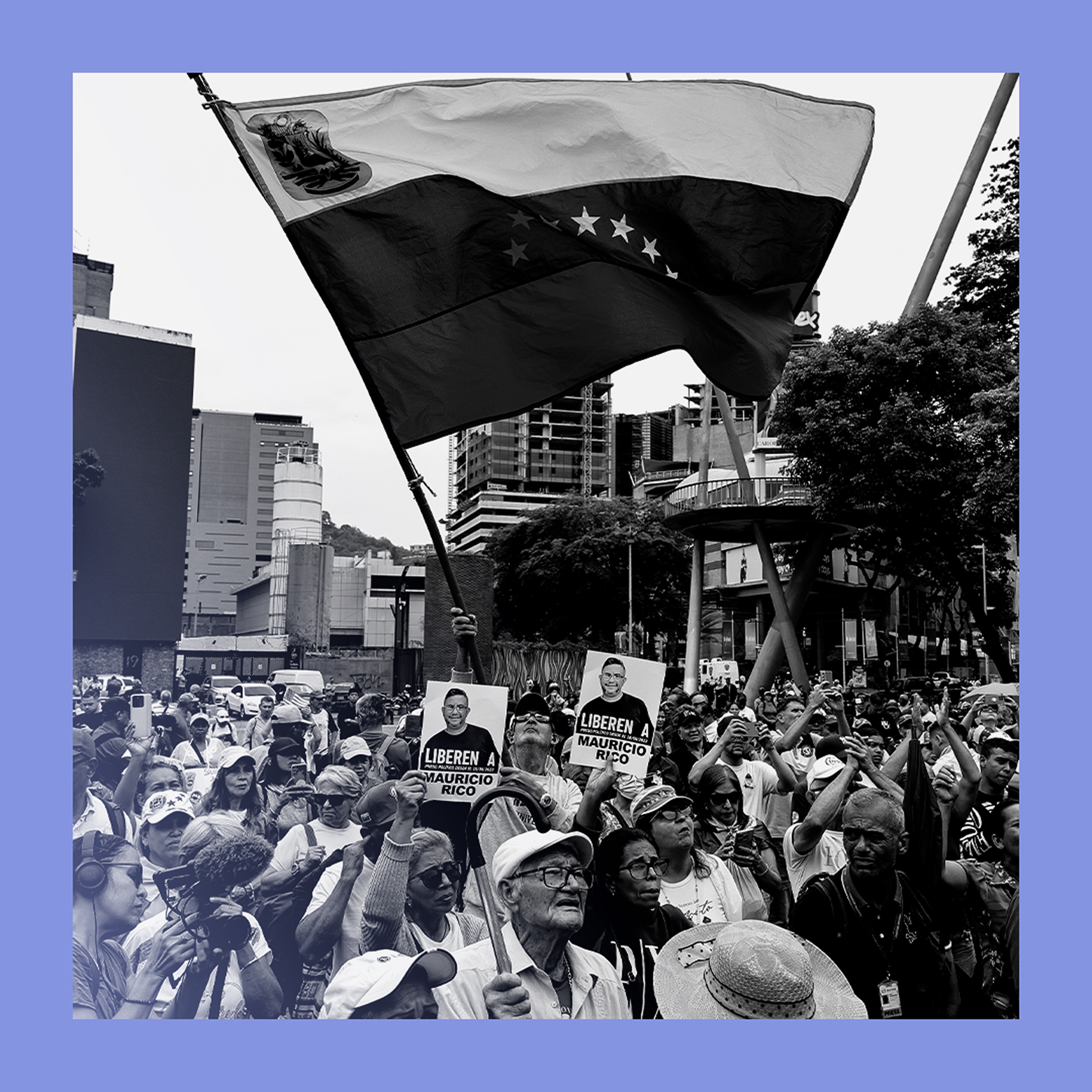
Despite growing public demand for elections in Venezuela, the new leadership is playing for time by insisting on a 'big agreement' covering economic and social issues first. This positions economic stability as a prerequisite for democracy, creating a recipe for indefinite procrastination on ceding political power.
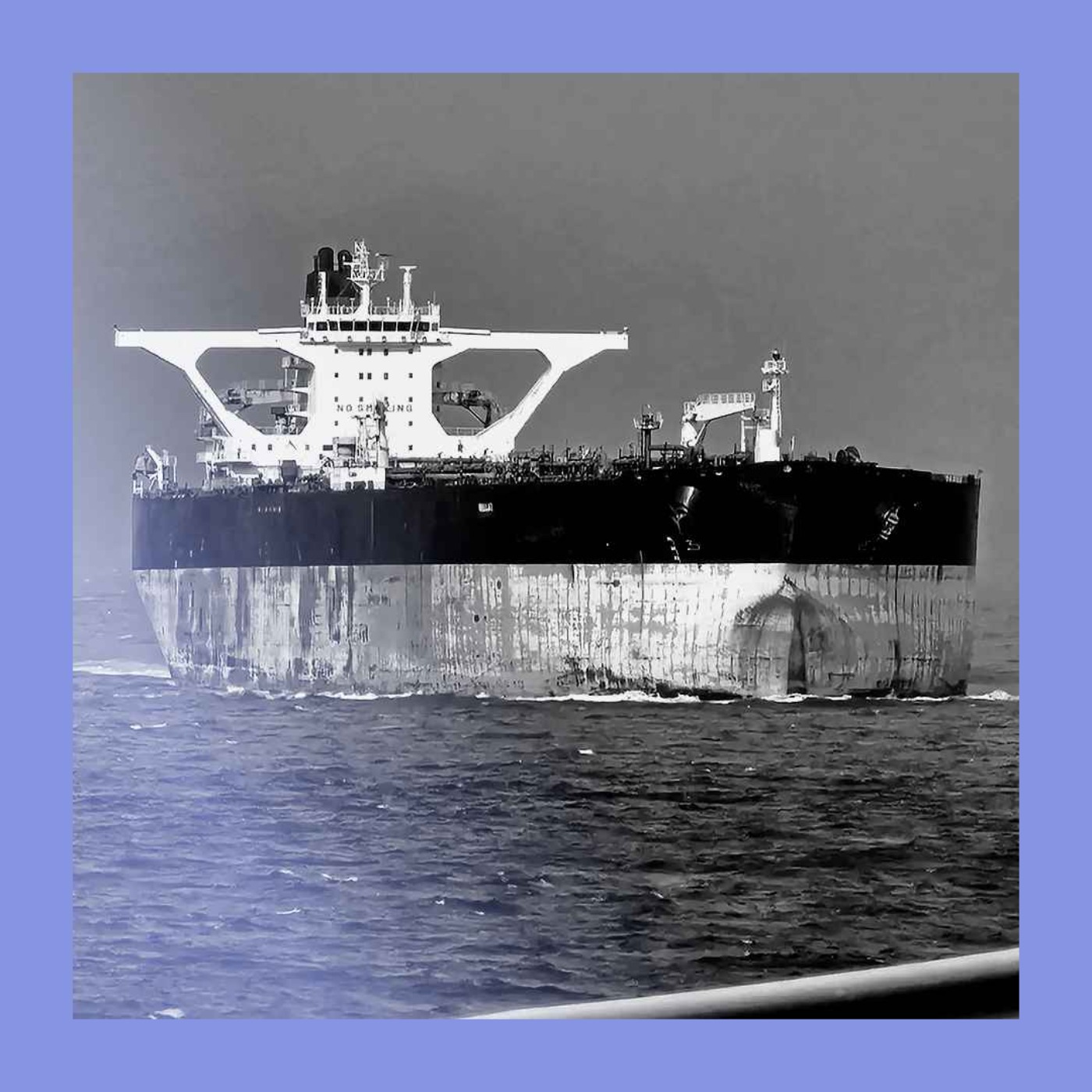
The US government controls Venezuelan oil sales and funnels monthly payments to Delcy Rodriguez's government. This unprecedented level of financial control benefits the regime by providing stability while giving the US leverage and access to oil, a shocking callback to colonial-era dynamics.
The Trump administration is intentionally keeping Venezuela's most popular opposition figure, Maria Carina Machado, out of negotiations. This counterintuitive strategy aims to make the current regime more willing to participate, even if it risks undermining the talks' democratic legitimacy.
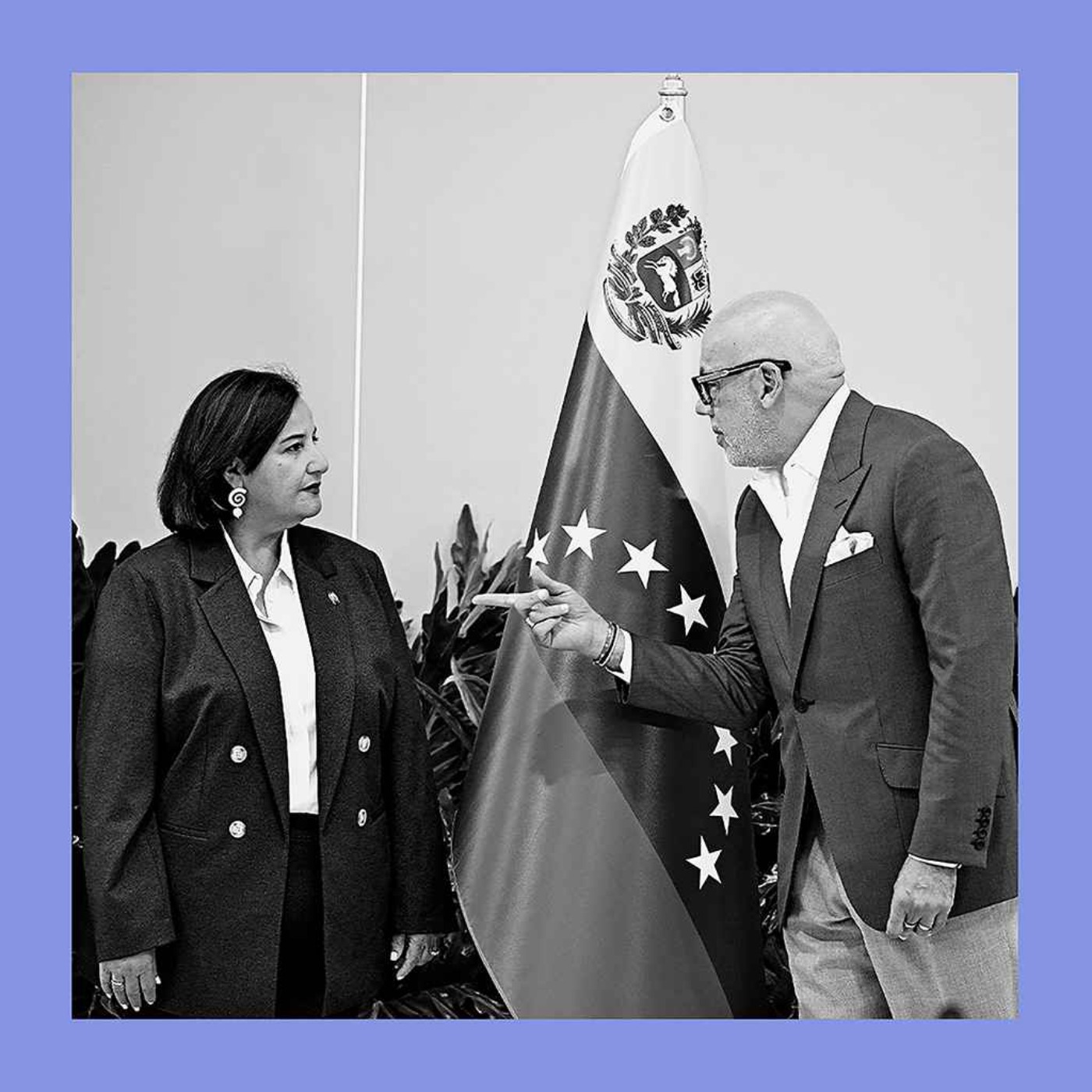
The recent regime change in Venezuela is not a clean break; the acting president was Maduro's VP, and the existing Chavista structure remains. The US administration is prioritizing stability and oil development with this existing framework, creating uncertainty for bondholders. The path to a debt restructuring is now unclear, as it's unknown how quickly or fairly creditors will be prioritized in this new bilateral arrangement.

The Maduro regime is not just a corrupt petrostate; it is a diversified criminal enterprise. It has expanded into drug trafficking, gold smuggling, and human trafficking, turning Venezuela into a safe haven for global criminal networks, terrorist groups, and adversaries like Russia and Iran.

In post-Maduro Venezuela, American pressure is primarily focused on liberalizing the economy for foreign investment, especially in oil. While this has resulted in some political shifts, the overwhelming priority is economic access for American interests, demonstrating a pragmatic rather than purely ideological approach to nation-building.
U.S. foreign policy actions against Venezuela and Iran are not primarily about democracy but are strategic moves to disrupt the flow of cheap, sanctioned oil to China. By controlling these sources, the U.S. can directly attack a key adversary's economic and military engine.

China loaned Venezuela over $60 billion but halted funding due to extreme corruption. Instead of making new strategic investments, China now focuses on asset recovery, accepting oil shipments simply to pay down the massive outstanding debt. This highlights the limits of 'debt trap diplomacy' in utterly dysfunctional states.
The Trump administration's intervention in Venezuela is overtly focused on securing oil to lower global prices, rather than promoting human rights. The plan involves seizing and selling Venezuelan oil with the president personally controlling the proceeds in what critics are calling "high tech piracy."