Get your free personalized podcast brief
We scan new podcasts and send you the top 5 insights daily.
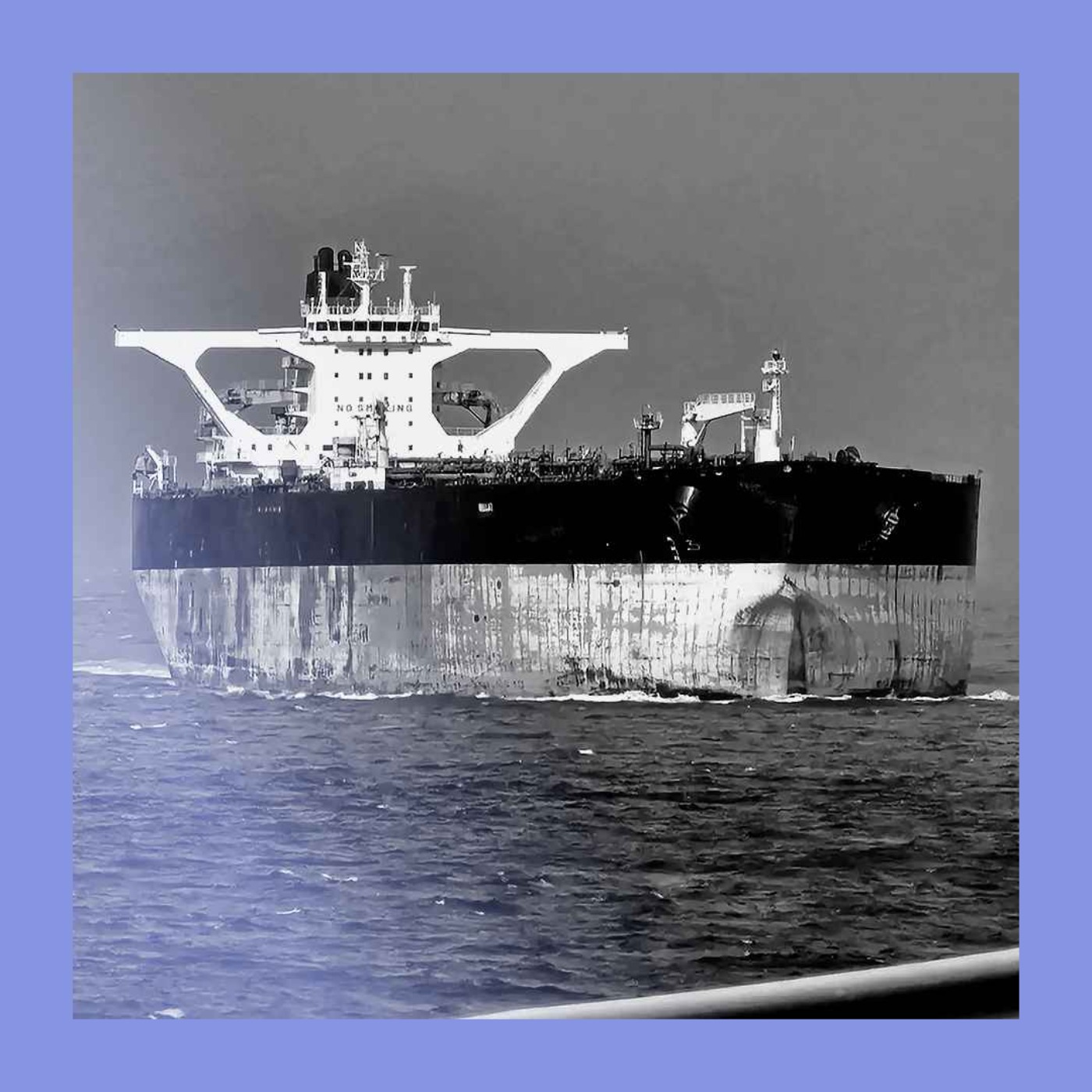
The Trump administration's intervention in Venezuela is overtly focused on securing oil to lower global prices, rather than promoting human rights. The plan involves seizing and selling Venezuelan oil with the president personally controlling the proceeds in what critics are calling "high tech piracy."
Related Insights
In a future restructuring, the typical fight between creditors and citizens will likely be preceded by a new top tier of claimants. The U.S. government, seeking to cover its intervention costs, and oil companies, needing payment for past expropriations, will likely get first access to revenues.

The Trump administration is depicted as ignoring Venezuela's legitimately elected opposition leader and instead choosing to work with the former vice president. This suggests a strategy prioritizing controllable stability with a regime figure over supporting a democratically elected but potentially less predictable leader.
The Venezuelan intervention was coordinated with American oil businesses before and after, while Congress was kept in the dark. This demonstrates a shift where foreign policy serves specific corporate interests directly, bypassing traditional democratic oversight and processes.

Contrary to assumptions, oil majors are cautious about re-entering Venezuela. They worry about a lack of legal certainty and the risk that any deals could be undone and heavily scrutinized by a future U.S. administration, making the investment too risky.

Despite the public focus on oil, the primary goal of removing Maduro was likely to demonstrate U.S. primacy in the Western Hemisphere. The action serves as a strong signal that the U.S. is willing to act aggressively to enforce its influence in the region.
The U.S. strategy appears to be maintaining a weakened Chavista regime to ensure stability and access to oil, effectively turning Venezuela into a resource colony without genuine political change for its people.
The U.S. intervention in Venezuela reflects a broader domestic trend of fast, unilateral policymaking via executive authority. This pattern bypasses congressional consensus-building, heightening policy uncertainty and systemic risk premiums for investors across all sectors.

The public narrative of fighting narco-terrorism in Venezuela is a red herring. The true strategic goal is to justify a U.S. military presence in the Caribbean to counter China's growing economic and military investments in the region, including control of key shipping routes and military partnerships.

The conflict is not primarily about oil or drugs, but a strategic move to reassert U.S. dominance in the Western Hemisphere. As China solidifies its influence in the East, the U.S. is 'drawing a line' to counter China's partnerships (like with Venezuela) in its own sphere of influence.

The US action to remove Maduro was not a traditional regime change. The goal was to eliminate the leader personally while leaving his party and government apparatus largely intact, suggesting a strategic choice to avoid the instability of a full power vacuum.