Get your free personalized podcast brief
We scan new podcasts and send you the top 5 insights daily.
Iran maintains two distinct military forces. The national army's role is to defend Iran's borders. In contrast, the Islamic Revolutionary Guard Corps (IRGC) is an ideological army accountable only to the Supreme Leader, tasked with protecting the revolution and its proxies abroad.

Related Insights
Iran's Islamic Revolutionary Guard Corps (IRGC) isn't funded by the state budget. It operates a global network of front companies for construction and other projects, laundering money to create a self-sustaining financial ecosystem. If the regime collapses, the IRGC would likely persist as a heavily-armed mafia with international criminal ties.

The Islamic Revolutionary Guard Corps (IRGC) has eclipsed the clergy, controlling major political and economic institutions. Ayatollah Khamenei maintains power through a symbiotic relationship with the IRGC, leveraging their military and economic might, rather than just religious authority.

While appearing as a traditionalist, Khomeini's core concept, the "Guardianship of the Jurist," was a profound theological revolution. It proposed for the first time that clerics should directly rule the state, breaking with centuries of Shiite political quietism. This innovation provided the ideological basis for the new republic.

Unlike regimes centered on a single dictator like Saddam Hussein, Iran's power structure is a complex, institutionalized relationship between its clerical and military establishments. This distributed power makes the regime resilient to 'decapitation' strikes aimed at killing senior leaders, as there is no single point of failure.

The Iranian Revolution was fueled by a Shia worldview centered on martyrdom, cosmic struggle between good and evil, and an apocalyptic final battle. U.S. policymakers, lacking any understanding of this religious framework, were completely unprepared for its political power.

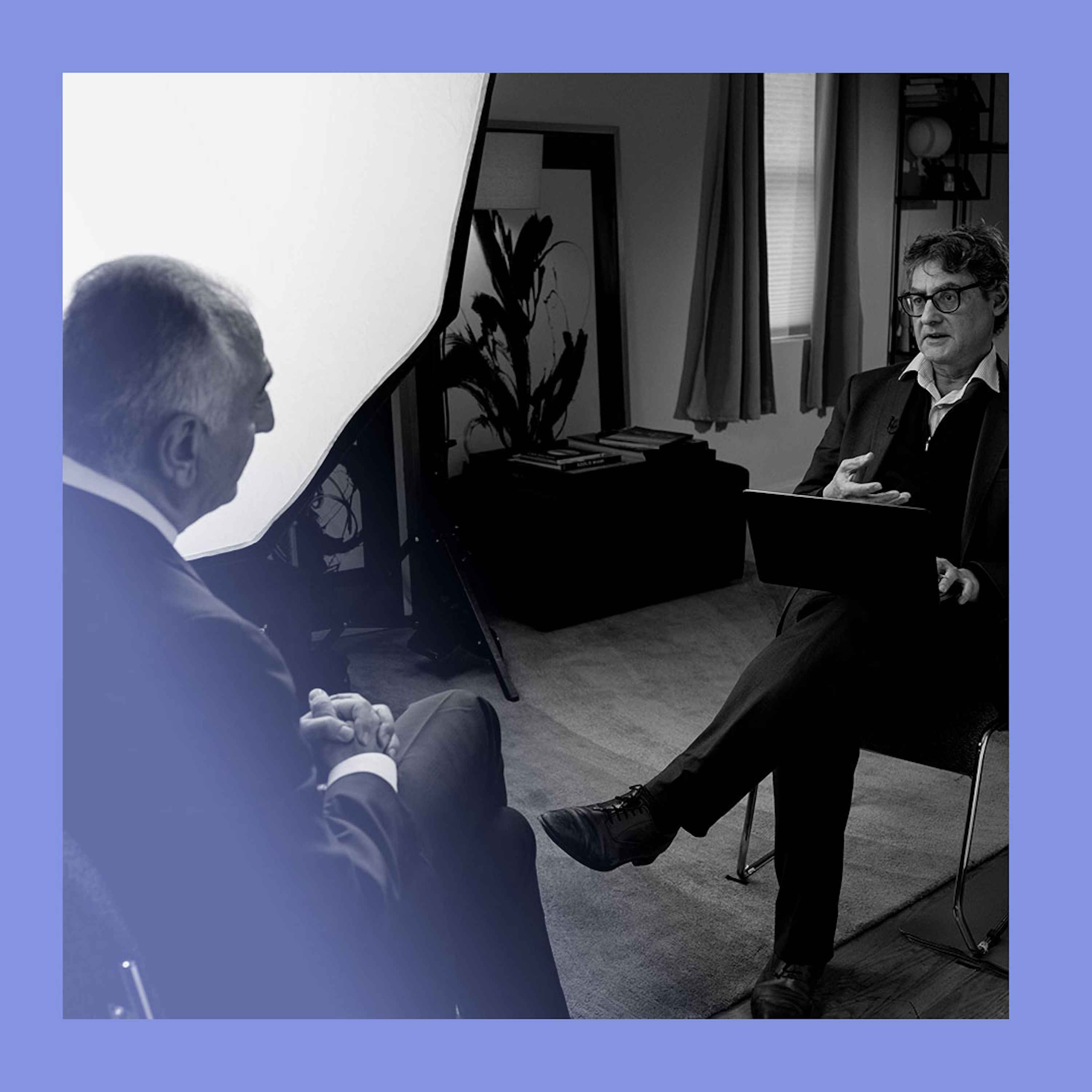
Contrary to a "burn-it-all-down" revolutionary approach, Reza Pahlavi proposes a pragmatic transition. He plans to incorporate existing state institutions, including the Islamic Revolutionary Guard Corps (IRGC), into his vision for a new national army to ensure stability and state function.
Iran has anticipated leadership decapitation strikes for decades, building a resilient and distributed command and control infrastructure. This allows its forces, particularly the IRGC, to continue operating and launching attacks even without direct contact with headquarters.

The Iranian populace is exhausted with theocratic rule after five decades. Any future authoritarian leader will likely be a product of the intelligence or security services, appealing to nationalism rather than revolutionary ideology. The era of the turban-wearing ruler is over.
A U.S. military strike to remove Ayatollah Khamenei is unlikely to help protesters. Analysis suggests it would more likely result in the Revolutionary Guard seizing control or other regime remnants continuing the fight, ultimately failing to satisfy the opposition and potentially worsening the civil conflict.
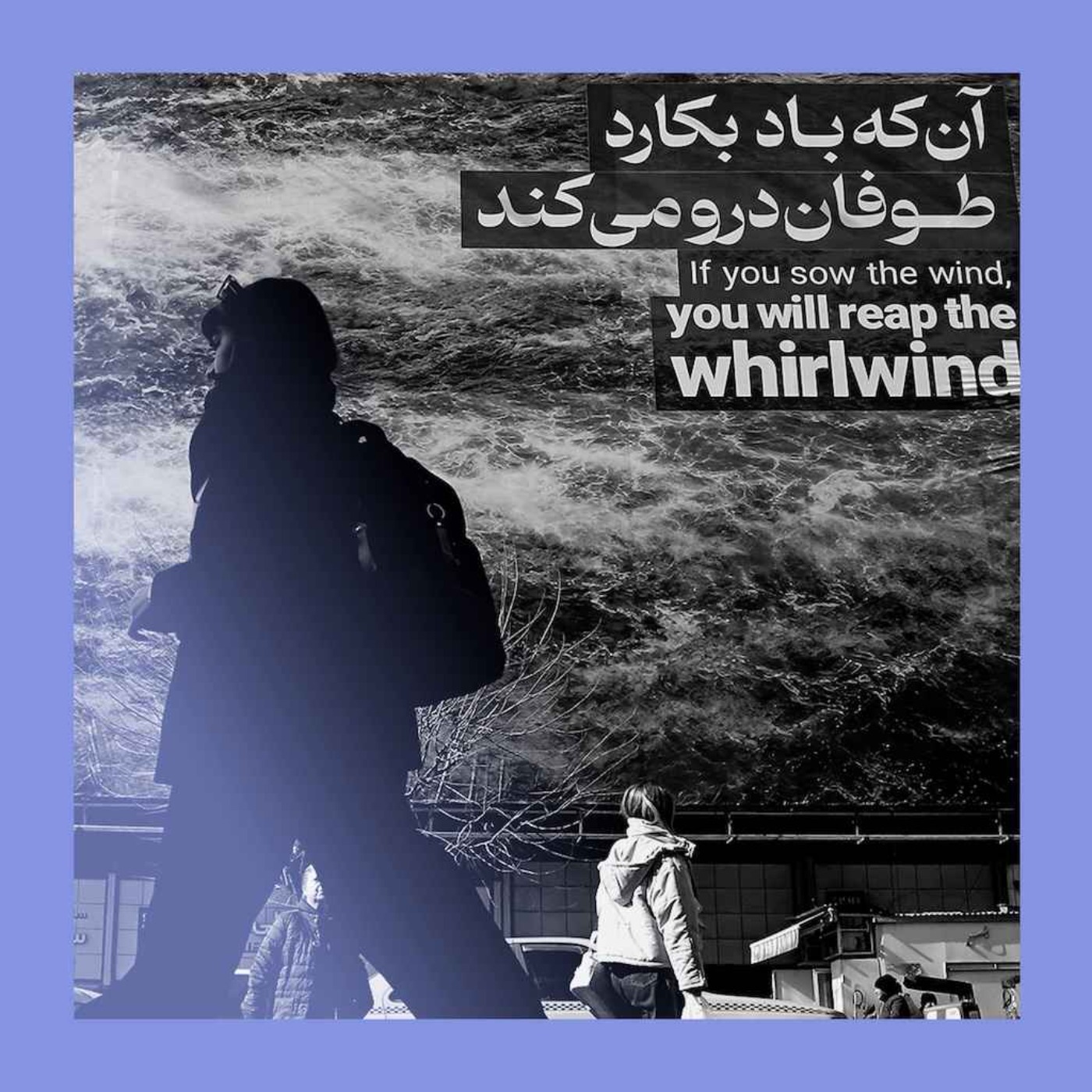
Ayatollah Khamenei believes that any attempt at reform, like Gorbachev's in the USSR, would accelerate the regime's collapse rather than prolong it. This formative experience informs his rigid refusal to cede ground on core principles like the mandatory hijab, ensuring a brutal response to dissent.