Get your free personalized podcast brief
We scan new podcasts and send you the top 5 insights daily.
Creators view the closure of OpenAI's video tool, Sora, as confirmation that audiences don't want purely AI-generated content platforms. Instead, the market values human creativity that is augmented by AI tools, not replaced by them.

Related Insights
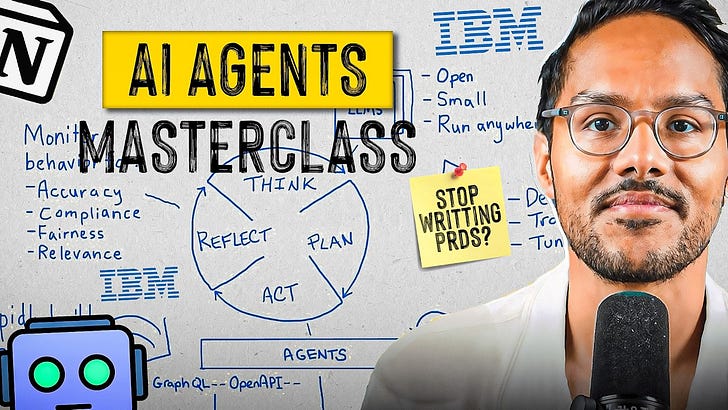
While AI tools once gave creators an edge, they now risk producing democratized, undifferentiated output. IBM's AI VP, who grew to 200k followers, now uses AI less. The new edge is spending more time on unique human thinking and using AI only for initial ideation, not final writing.
Users are dissatisfied with purely AI-generated creative outputs like interior design, calling it "slop." This creates an opportunity for platforms that blend AI's efficiency with a human's taste and curation, for which consumers are willing to pay a premium.

Upcoming tools like Sora automate the script-to-video workflow, commoditizing the technical production process. This forces creative agencies to evolve. Their value will no longer be in execution but in their ability to generate a high volume of brilliant, brand-aligned ideas and manage creative strategy.

AI video tools like Sora optimize for high production value, but popular internet content often succeeds due to its message and authenticity, not its polish. The assumption that better visuals create better engagement is a risky product bet, as it iterates on an axis that users may not value.
Sam Altman argues the AI vs. human content debate is a false dichotomy. The dominant creative form will be a hybrid where humans use AI as a tool. Consumers will ultimately judge content on its quality and originality ('is it slop?'), not on its method of creation.

Sam Altman observes an asymmetry in AI-generated media: users love creating personalized content with tools like Sora, but show little interest in consuming AI content made by others. This creator-consumer gap is a key hurdle for generative AI as a mainstream entertainment medium.
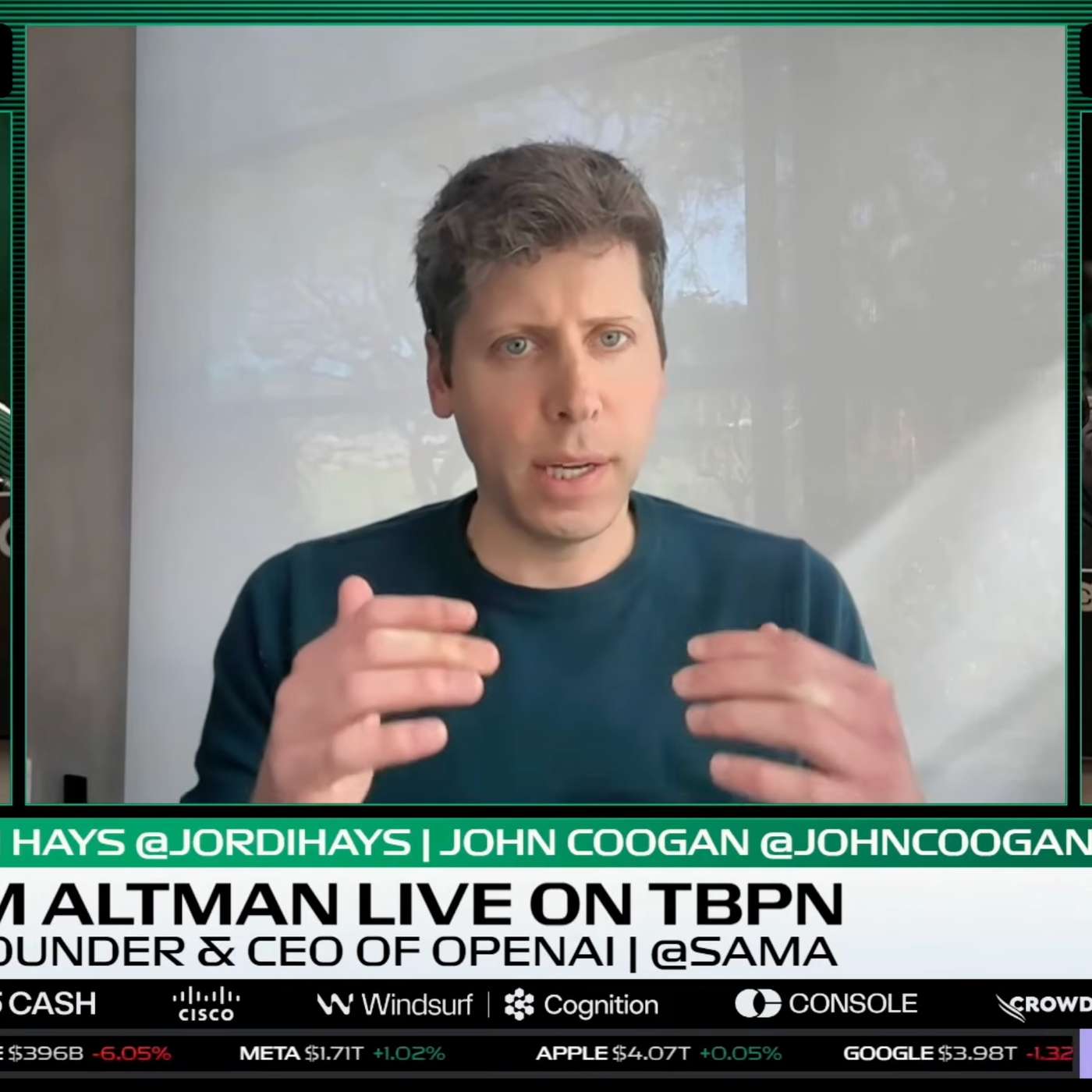
OpenAI is discontinuing its headline-grabbing Sora video tool not due to failure, but as a strategic choice. This move redirects scarce compute resources towards what they see as the bigger prize: AI for knowledge work and coding, a market where competitor Anthropic is gaining ground.

As AI-generated content creates a sea of sameness, audiences will seek what machines cannot replicate: genuine emotion and deep, personal narrative. This will drive a creator-led shift toward more meaningful, long-form content that offers a real human connection.

OpenAI is likely closing its computationally expensive Sora video project to focus capital and compute resources on ventures with higher ROI. This is a classic business strategy to strengthen financials and the company narrative ahead of a public offering, not an admission of defeat in video AI.

Being an "AI pessimist" means being a realist about the technology's limits. As a prime example, OpenAI—the leader in the field—used traditional, human-led analog filmmaking for its first TV commercial. This move demonstrates that AI is a powerful tool within a creative process, not a replacement for entire creative industries or human skill.
