Get your free personalized podcast brief
We scan new podcasts and send you the top 5 insights daily.
Sam Altman argues the AI vs. human content debate is a false dichotomy. The dominant creative form will be a hybrid where humans use AI as a tool. Consumers will ultimately judge content on its quality and originality ('is it slop?'), not on its method of creation.

Related Insights
AI won't replace designers because it lacks taste and subjective opinion. Instead, as AI gets better at generating highly opinionated (though not perfect) designs, it will serve as a powerful exploration tool. This plants more flags in the option space, allowing human designers to react, curate, and push the most promising directions further, amplifying their strategic role.

While AI tools once gave creators an edge, they now risk producing democratized, undifferentiated output. IBM's AI VP, who grew to 200k followers, now uses AI less. The new edge is spending more time on unique human thinking and using AI only for initial ideation, not final writing.
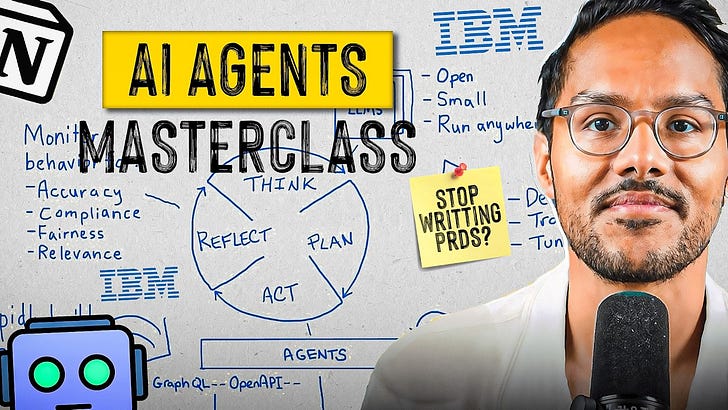
The true power of AI in marketing is not generating more content, but improving its quality and effectiveness. Marketers should focus on using AI—trained on their own historical performance data—to create content that better persuades consumers and builds the brand, rather than simply adding to the noise.
As AI drives the cost of content creation to zero, the world floods with 'average' material. In this environment, the most valuable and scarce skill becomes 'taste'—the ability to identify, curate, and champion high-quality, commercially viable work. This elevates the role of human curators over pure creators.
![Ari Emanuel - The Anti-AI Bet - [Invest Like the Best, EP.448] thumbnail](https://megaphone.imgix.net/podcasts/c5910280-c4dd-11f0-94be-ab6a7a5865b0/image/1e5a2263eb62fcde200846919e24419a.jpg?ixlib=rails-4.3.1&max-w=3000&max-h=3000&fit=crop&auto=format,compress)
ElevenLabs' CEO predicts AI won't enable a single prompt-to-movie process soon. Instead, it will create a collaborative "middle-to-middle" workflow, where AI assists with specific stages like drafting scripts or generating voice options, which humans then refine in an iterative loop.
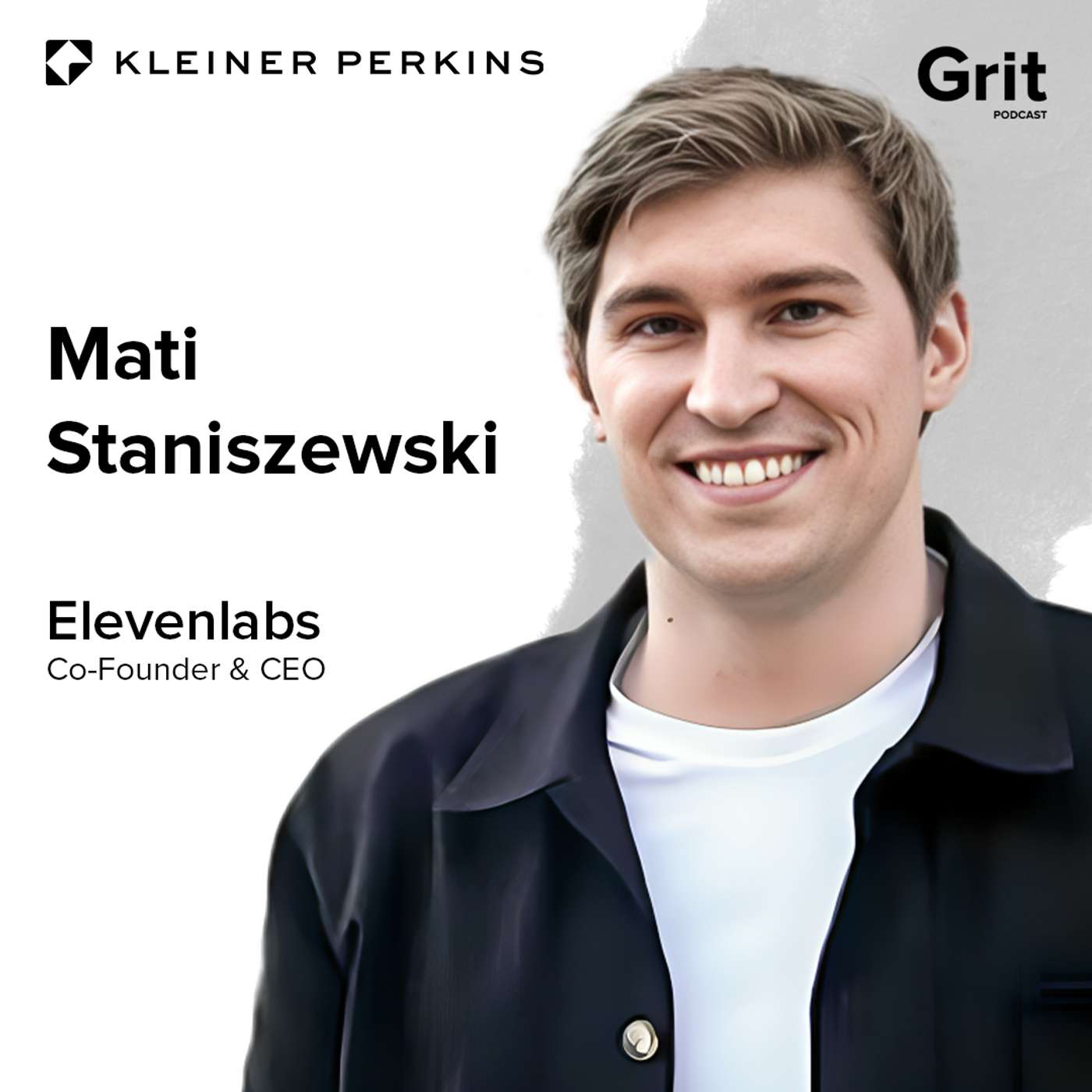
True creative mastery emerges from an unpredictable human process. AI can generate options quickly but bypasses this journey, losing the potential for inexplicable, last-minute genius that defines truly great work. It optimizes for speed at the cost of brilliance.

As AI-generated content creates a sea of sameness, audiences will seek what machines cannot replicate: genuine emotion and deep, personal narrative. This will drive a creator-led shift toward more meaningful, long-form content that offers a real human connection.
Most AI tools focus on automation, which often produces more average, noisy content. The superior approach is augmentation—designing AI to enhance a marketer's abilities and produce exceptional, not average, work. This shifts the goal from creating "more" to creating "better."

Don't use AI to generate generic thought leadership, which often just regurgitates existing content. The real power is using AI as a 'steroid' for your own ideas. Architect the core content yourself, then use AI to turbocharge research and data integration to make it 10x better.
AI should not be the starting point for creation, as that leads to generic, spam-like output. Instead, begin with a distinct human point of view and strategy. Then, leverage AI to scale that unique perspective, personalize it with data, and amplify its distribution.