Get your free personalized podcast brief
We scan new podcasts and send you the top 5 insights daily.
Persistently antisocial children often have a biological inability to learn from negative consequences, making them punishment-insensitive but reward-sensitive. Harsh punishment is ineffective and counterproductive, as it destroys the potential for connection, which is the only real leverage for behavioral change.

Related Insights
Antisocial behavior in children, especially when combined with 'callous unemotional traits' (a lack of guilt or remorse), can have a heritability estimate as high as 80%. This places its genetic influence on par with highly heritable disorders like schizophrenia and bipolar disorder.
Counterintuitively, jurors recommend longer prison sentences when a violent crime is attributed to genetic causes versus environmental ones like childhood abuse. While environmental factors are seen as mitigating, genetic explanations trigger a 'bad seed' essentialism, leading to a greater desire for punishment to contain a perceived permanent threat.
Parenting isn't a one-way street. A child's inherent temperament (e.g., ADHD, agreeableness) actively shapes parental reactions. This creates powerful feedback loops where, for instance, a difficult child elicits stricter parenting, which in turn affects development. The outcome is often misattributed solely to the parenting style.

The home should be a sanctuary of warmth and nurturing. Hard-driving discipline and skill-building criticism are often more effectively delivered by external figures like coaches or teachers. This strategy preserves the positive parent-child relationship while still allowing children to develop resilience and grit in structured settings.
We incorrectly assume people misbehave due to a lack of motivation. Research suggests it's often a deficit in neurocognitive skills like frustration tolerance or problem-solving. Pushing harder on motivation is therefore ineffective and can be damaging.
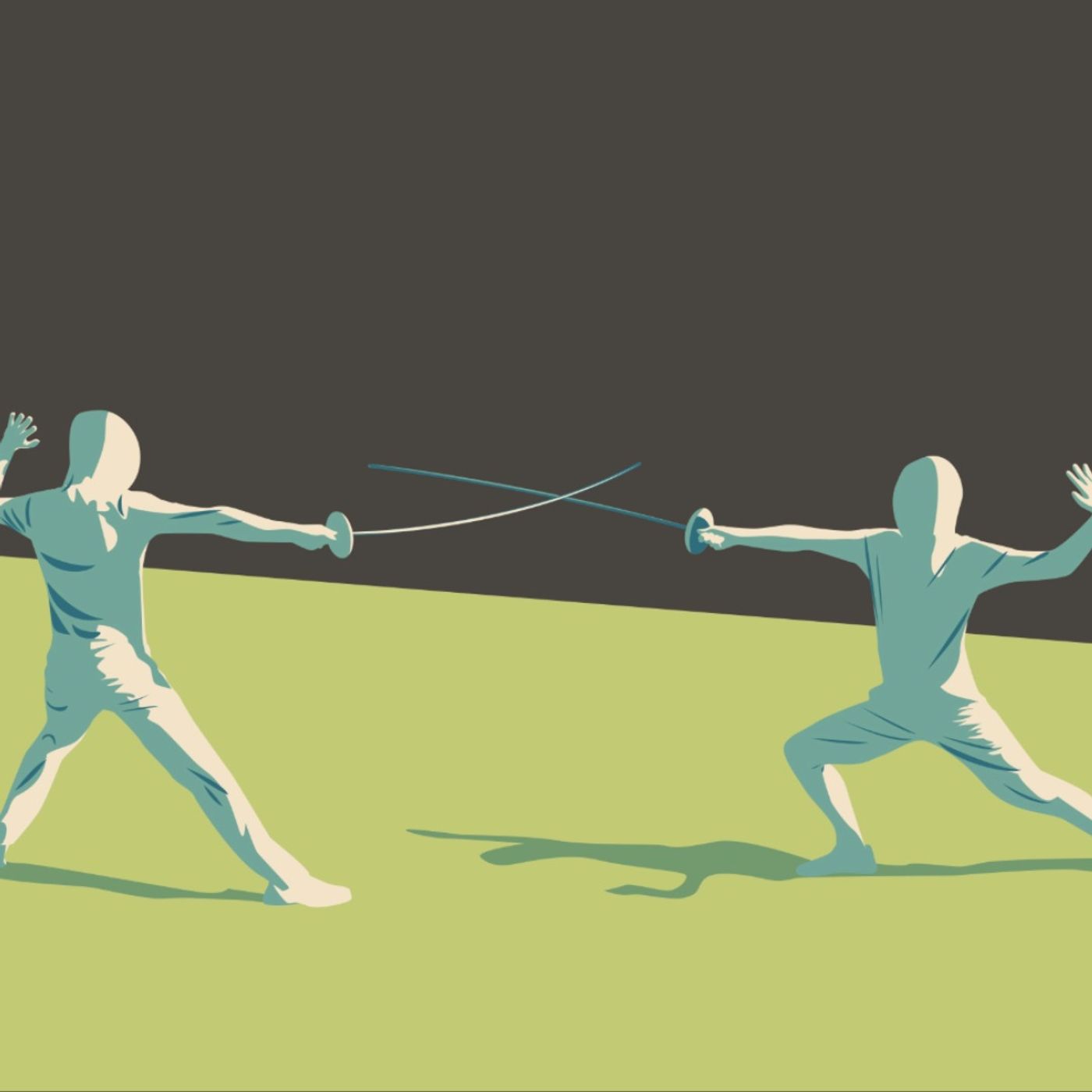
View poor performance or difficult behavior as a manifestation of 'feelings overpowering skills,' rather than a conscious bad choice. This transforms a leader's role from a disciplinarian to a coach focused on teaching the missing skills to manage the situation.
Genes linked to addiction, impulsivity, and aggression are most active during fetal development, affecting the brain's fundamental balance of inhibition and excitation. This reframes addiction and conduct disorders as neurodevelopmental conditions akin to ADHD, rather than purely as choices or moral failings.

The onset of antisocial behavior before age 10 is one of the biggest predictors of a lifelong pattern of offending. Cold, callous aggression towards others or animals at this young age, often with a heavy genetic component, has a poor prognosis and currently has vanishingly few effective treatments.
When disciplining a child, always acknowledge their feelings first before setting a boundary. Voicing empathy (e.g., 'I can see you really want that') makes the child feel heard and validated, making them more receptive to the subsequent rule or denial, preventing an escalation.

Children vary in their developmental plasticity. Those most vulnerable to the negative effects of adversity are also the most likely to benefit from supportive environments. Conversely, children who are resilient in the face of hardship are often less susceptible to the positive effects of enrichment and nurturance.
