Get your free personalized podcast brief
We scan new podcasts and send you the top 5 insights daily.
Genes linked to addiction, impulsivity, and aggression are most active during fetal development, affecting the brain's fundamental balance of inhibition and excitation. This reframes addiction and conduct disorders as neurodevelopmental conditions akin to ADHD, rather than purely as choices or moral failings.

Related Insights
Brain imaging suggests people with ADHD may have a reward pathway that is less activated by stimuli and contains fewer dopamine receptors at baseline. This inherent "reward deficit" could create a state of craving even before exposure to addictive substances, increasing vulnerability.

Boys addicted to devices are being rewired for constant action-reaction dopamine hits. In a low-stimulus environment like a classroom, they may subconsciously create conflict or act out simply to generate a reaction, fulfilling their brain's conditioned need for immediate feedback, making them incredibly difficult to manage.

According to neuroanatomist Dr. Jill Bolte-Taylor, the brain's left emotional system stores past pain, trauma, and addiction. This isn't a flaw; it's a protective mechanism designed to trigger reactions based on past negative events. Healing involves understanding this system, not erasing it.

Up to 25% of people experience a euphoric response when taking opioids, a key driver of addiction. The risk is highest for the subset of this group (about 5-6% of the total population) who also have predisposed addictive tendencies. This shows how a prescribed medication can inadvertently lead to addiction in a vulnerable population segment.
A 50% heritability for alcoholism is linked to how one's brain responds to alcohol. Individuals genetically predisposed to feel more stimulated ('fun') from drinking are at higher risk, while those who feel sedated are more protected. The risk is about the positive reinforcement loop, not an innate tolerance.

Addiction isn't defined by the pursuit of pleasure. It's the point at which a behavior, which may have started for rational reasons, hijacks the brain’s reward pathway and becomes compulsive. The defining characteristic is the inability to stop even when the behavior no longer provides pleasure and begins causing negative consequences.
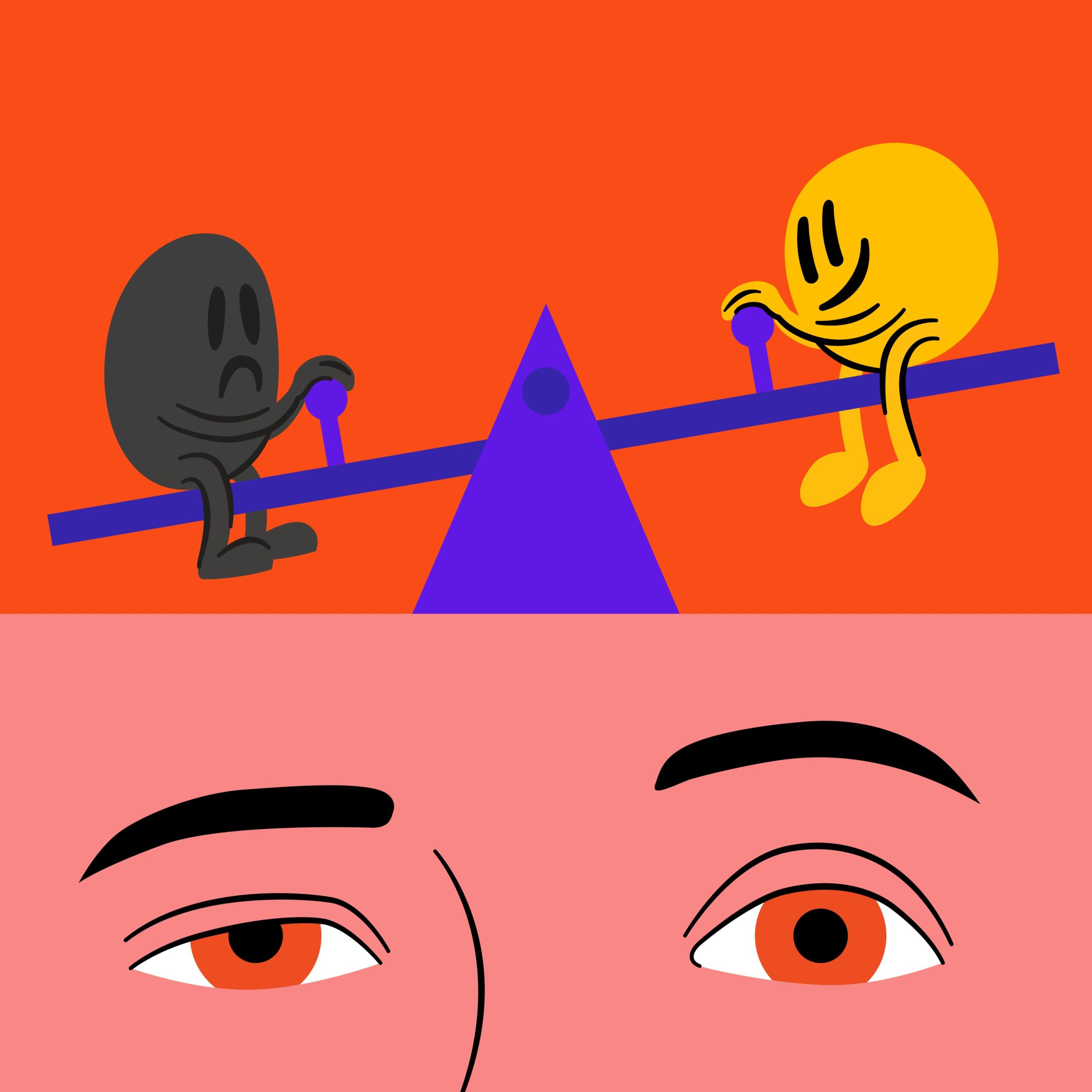
Neuroplasticity is not inherently positive. The same brain malleability that allows young people to easily learn new skills and languages also makes them exceptionally vulnerable to addiction. Starting a substance as a teenager is far more likely to lead to lifelong dependency than starting at an older age because the brain learns the addiction more deeply.
Resolving a specific addiction (like alcoholism) doesn't necessarily resolve the underlying genetic or psychological predisposition. This 'diathesis' can re-emerge years later, expressing itself as a new compulsion, such as a sex addiction or compulsive eating, even in someone who has been sober for 20 years.
A powerful experiment showed a rat will stop working to free a trapped peer if it can self-administer heroin instead. This demonstrates how high-dopamine drugs can hijack and override our innate drive for social connection, causing people to deviate from their moral compass and stop caring about others.
Brain imaging studies show that the brain's reward circuitry (nucleus accumbens) activation in response to drug cues is a more accurate predictor of relapse than the person's own stated commitment to sobriety. This highlights a powerful disconnect between conscious desire and deeply ingrained, subconscious cravings.