Get your free personalized podcast brief
We scan new podcasts and send you the top 5 insights daily.
The home should be a sanctuary of warmth and nurturing. Hard-driving discipline and skill-building criticism are often more effectively delivered by external figures like coaches or teachers. This strategy preserves the positive parent-child relationship while still allowing children to develop resilience and grit in structured settings.

Related Insights
To give difficult feedback, use the Situation-Behavior-Impact (SBI) model. Instead of making accusations, state the situation, the specific behavior, and crucially, the impact it had on you. This approach prevents triggering a defensive, fight-or-flight response in the recipient.

A powerful framework for raising resilient individuals is to separate self-worth from performance. Build immense self-esteem by praising character traits (e.g., kindness), while simultaneously enforcing radical accountability for failures (e.g., "the pitcher was better than you"). This creates confidence that isn't shattered by losing.

Young employees' perceived lack of resilience isn't a generational flaw but a result of parenting that shielded them from hardship. The decline of teenagers working difficult, blue-collar summer jobs has created adults who are less prepared for the realities of the workplace.
Effective coaching requires a two-step process. First, directly confront an individual's flaws ('poke the zit'). Then, immediately reframe their negative self-perception by explaining they are 'hurt,' not broken. This prevents them from spiraling into self-loathing and opens them to change, turning a harsh truth into a constructive catalyst.
The belief that people fail due to lack of will leads to blame. Shifting to 'people do well if they can' reframes failure as a skill gap, not a will gap. This moves your role from enforcer to helper, focusing you on identifying and building missing skills.

When children become teenagers, the parenting goal shifts. Instead of immediately judging or correcting their behavior, prioritize listening without interruption. This maintains "access" to their thoughts and lives, ensuring they continue to share openly, which is a prerequisite for future guidance.
Society is experiencing a 'generational whiplash' in parenting. A reaction against strict methods led to a culture of 'eighth-place trophies,' producing adults ill-equipped for real-world consequences. A counter-movement is now emerging where parents are reintroducing competition and accountability to better prepare their children for life's challenges.
For short-term mentoring to be impactful, it must be painful. The goal isn't gentle guidance but to make an overlooked opportunity or flaw so painfully obvious that the mentee is jolted into action, partly to prove the mentor wrong. It's 'crash therapy'—uncomfortable but highly effective at driving change.
![Martín Escobari - Inside General Atlantic - [Invest Like the Best, EP.449] thumbnail](https://megaphone.imgix.net/podcasts/90e6e3e6-c984-11f0-ae5f-27bb851bdc56/image/608fac468f77cb3014e96336896d96de.jpg?ixlib=rails-4.3.1&max-w=3000&max-h=3000&fit=crop&auto=format,compress)
Pediatrician Donald Winnicott argued that children must learn to handle frustration and disappointment. A "perfect" parent who shields a child from all difficulty inadvertently robs them of the chance to develop coping mechanisms for the real world.
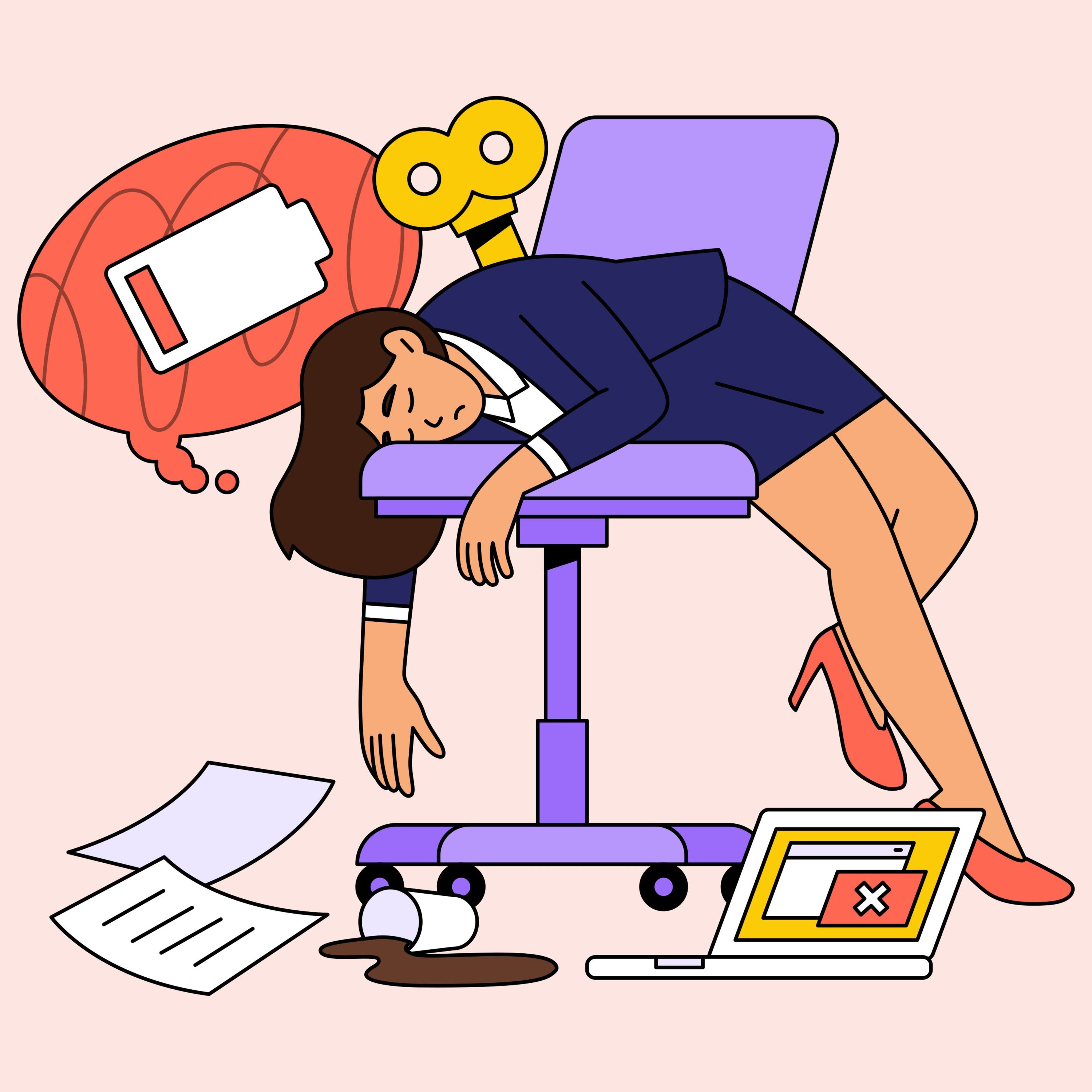
The default for working parents is often to hire childcare to create time for household tasks. A more effective strategy is to outsource the tasks themselves (laundry, meal prep). This allows founders to be fully present during family time, which directly combats burnout and improves mental well-being.
