Get your free personalized podcast brief
We scan new podcasts and send you the top 5 insights daily.
The worst outcome for a creative project isn't a bad review; it's being ignored. Bryce Dallas Howard uses "unignorable" as her creative litmus test, prioritizing projects that evoke a strong reaction—positive or negative—over those that are safe, predictable, and easily forgotten. Indifference is the true failure.

Related Insights
Twyla Tharp argues that a major success creates a more difficult creative situation than a failure. Success raises expectations and leaves the artist with the daunting question of "what now?" whereas failure provides a clearer, albeit painful, path forward to improve and try again.

High-potential individuals should fear getting stuck in an "okay" situation more than outright failure. Mediocrity slowly drains your time, energy, and self-belief, whereas failure is a quick, painful event from which you can bounce back with your most valuable asset—time—intact.

Beyond skill, craft, or technique, the defining quality of impactful art, products, or services is an invisible element: Did the person who made it truly care? This emotional investment creates a frequency that resonates with the audience on a soul level, separating masterful work from merely competent work.
Redefine the ROI of content and public appearances. Instead of aiming for mass appeal and vanity metrics like follower counts, focus on the profound, life-altering impact you can have on a very small number of people. This reframes the purpose from acquisition to impact.

Technical talent is not the primary driver of resonant creative work. The key ingredient is 'taste'—an unteachable ability to discern what will be emotionally pleasing and impactful to an audience. This intuitive sense separates good creators from great ones.

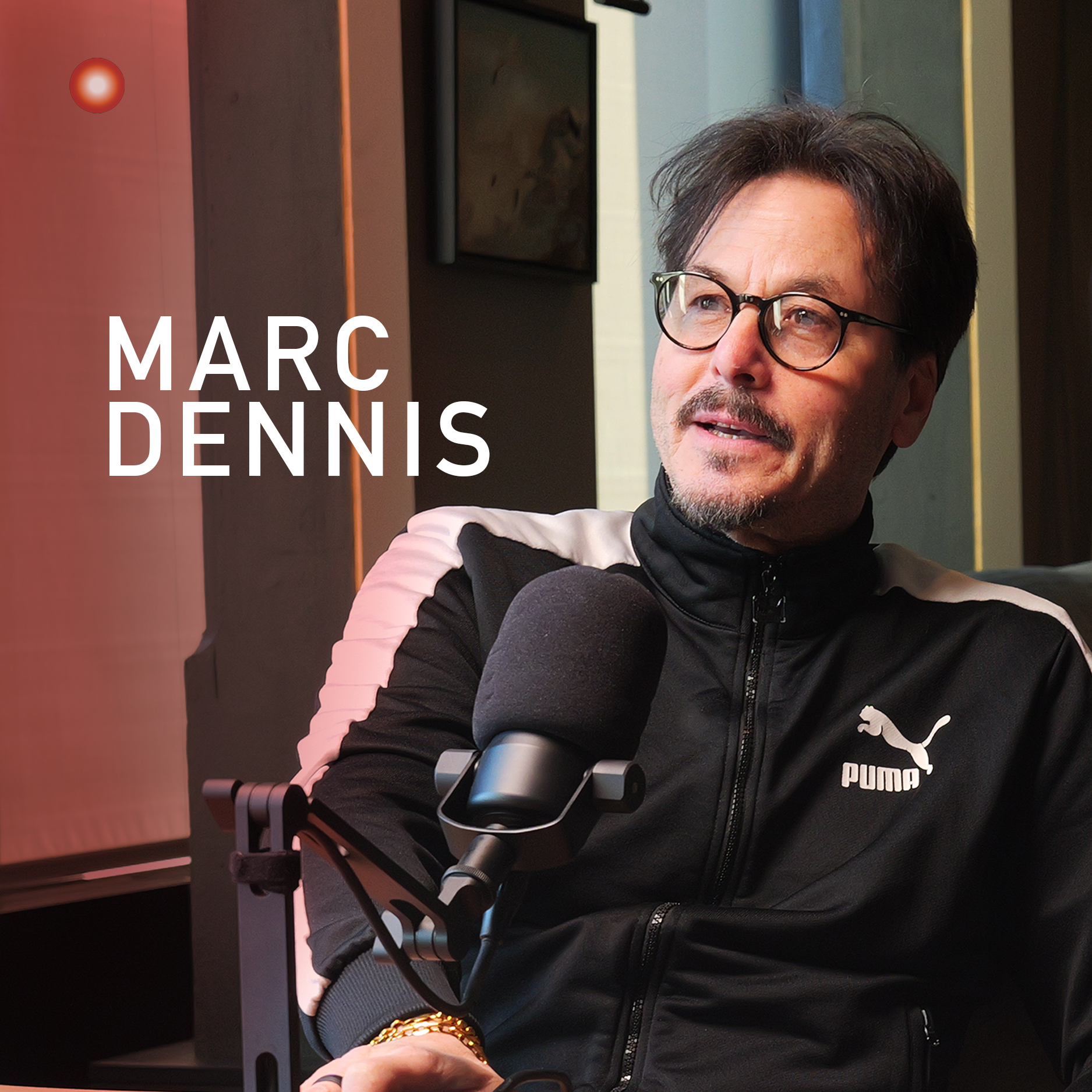
Instead of offering a formula for success, artist Marc Dennis tells aspiring creatives that the key to failure is trying to please everyone. True artistic success requires finding and staying true to a unique voice, even if it disappoints others' expectations or preconceived notions.
The fear of failure in content creation is misplaced. If your content fails, it's typically because it gets no attention, meaning no one will even know you failed. The risk is asymmetric: failure is private and invisible, while success is public and rewarding. This mental model should encourage more people to start creating.
It's easy to obsess over passive activities like watching Netflix because they provide no feedback and carry no risk of rejection. Pursuing a meaningful, world-changing obsession is terrifying because it guarantees constant feedback, judgment, and the potential for failure, which most people avoid.

When working privately, don't label early attempts as successes or failures. Instead, choreographer Twyla Tharp suggests evaluating them based on their utility. The crucial question is not "Is this good?" but "Is this useful? Does it generate the next question and move the process forward?"
To build a sustainable career, creatives can't rely solely on external validation like sales or praise. Motivation must come from the intrinsic value found in the act of "making the thing." This internal focus is the only way to avoid an insatiable and unfulfilling need for approval.
