Get your free personalized podcast brief
We scan new podcasts and send you the top 5 insights daily.
Redefine the ROI of content and public appearances. Instead of aiming for mass appeal and vanity metrics like follower counts, focus on the profound, life-altering impact you can have on a very small number of people. This reframes the purpose from acquisition to impact.

Related Insights
Most content fails because its intention is selfish: to convert a user. A successful strategy treats the content itself as the final product, designed solely to provide value and build a relationship. This consumer-centric approach, which avoids treating content as a top-of-funnel tactic, is what builds long-term trust and a loyal audience.
Don't treat influence as a vague metric like followers. Define it operationally as the probability that your audience will take a desired action—from a 'like' to a purchase. All content should aim to increase this probability.

True scaling isn't about increasing tactical output like more content or funnels. It's about elevating your perceived authority and value. Your audience mirrors your truth and worth, so authentic messaging that subtracts "noise" is more effective than "performing productivity."

The true measure of a thought leader's impact is not social media engagement but the adoption of their ideas and language by influential figures. When politicians or industry leaders begin to use your specific phrasing or champion your core arguments, it serves as a qualitative but powerful indicator that you are genuinely shaping the broader discourse.
A successful content strategy isn't random. Each post must have a specific job. Content should be intentionally designed to either attract new followers, nurture the existing community to build trust, or directly drive sales with conversion-focused messaging.

Chasing followers leads to short-term hacks. Asking what makes your content worth following forces a focus on long-term value creation. It shifts your perspective from what you can get (a follow) to what you must give your audience (a reason to follow).
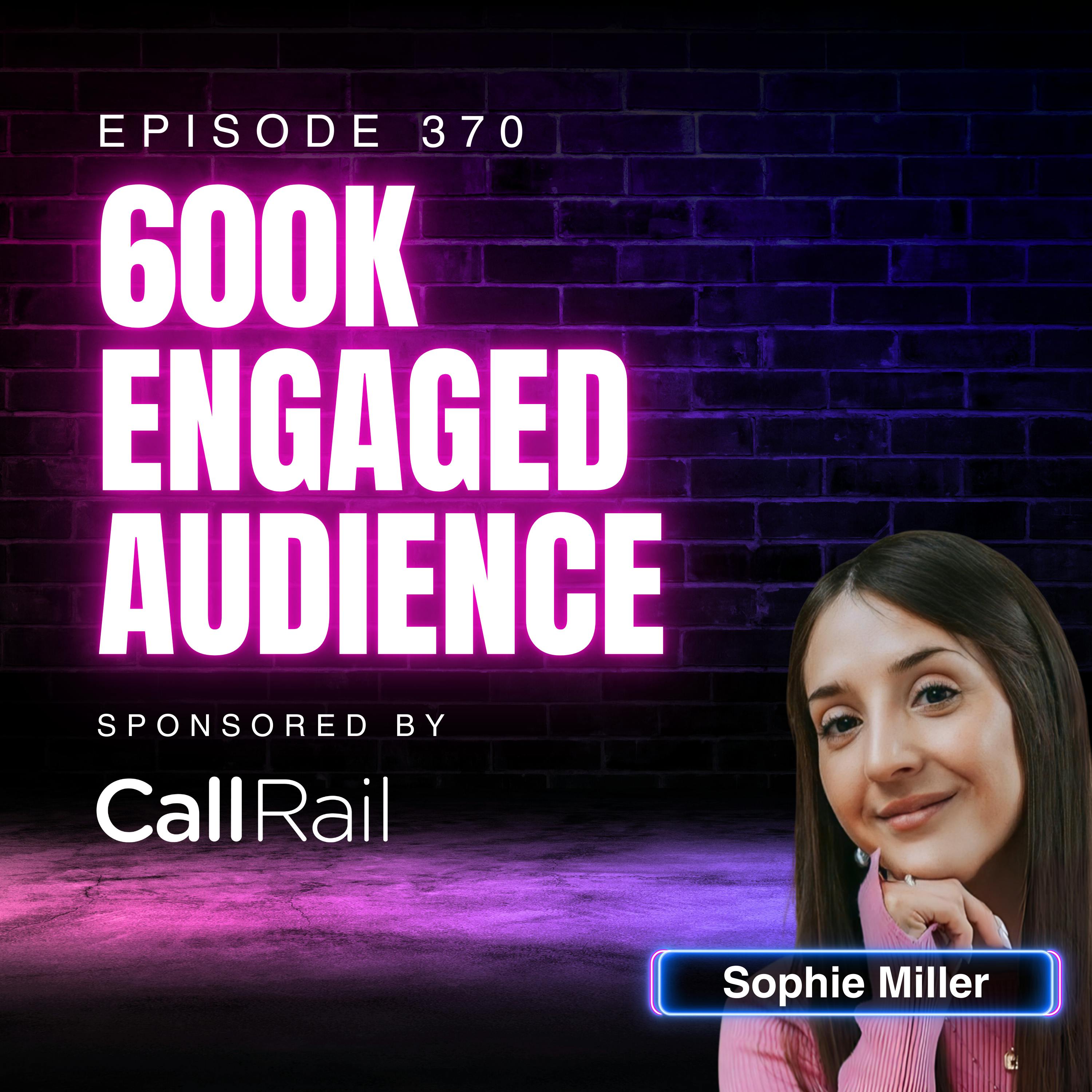
To achieve massive reach, start with a hyper-specific target audience. By writing "The 4-Hour Workweek" for just two friends and marketing it to a narrow demographic in one city, Tim Ferriss created a concentrated ripple effect that naturally expanded to millions. A broad approach dilutes your message.
Gaining millions of views is a vanity metric if the audience isn't engaged or aligned with business goals. Instead of pursuing fleeting viral moments, focus on consistent content that cultivates a real community. That engaged community, not a passive audience, can eventually be converted into customers.
Framing content creation through a "legacy lens"—asking if a piece of work would matter if it were your last—fundamentally shifts the focus. It moves beyond tactical strategy ('what works') to core beliefs ('what's worth saying'), resulting in more meaningful and impactful communication.

Stop debating followers versus community. Treat followers as the first step in a conversion process where the goal is to nurture them from passive observers into active community members, brand advocates, and ultimately, customers. The real relationship-building begins post-follow.