Get your free personalized podcast brief
We scan new podcasts and send you the top 5 insights daily.
The name change from "Defense" to "War" is a strategic move to instill a warrior mindset internally and project strength externally. The theory is that clearly signaling a readiness and capability to win a conflict is the most effective way to deter one from starting.

Related Insights
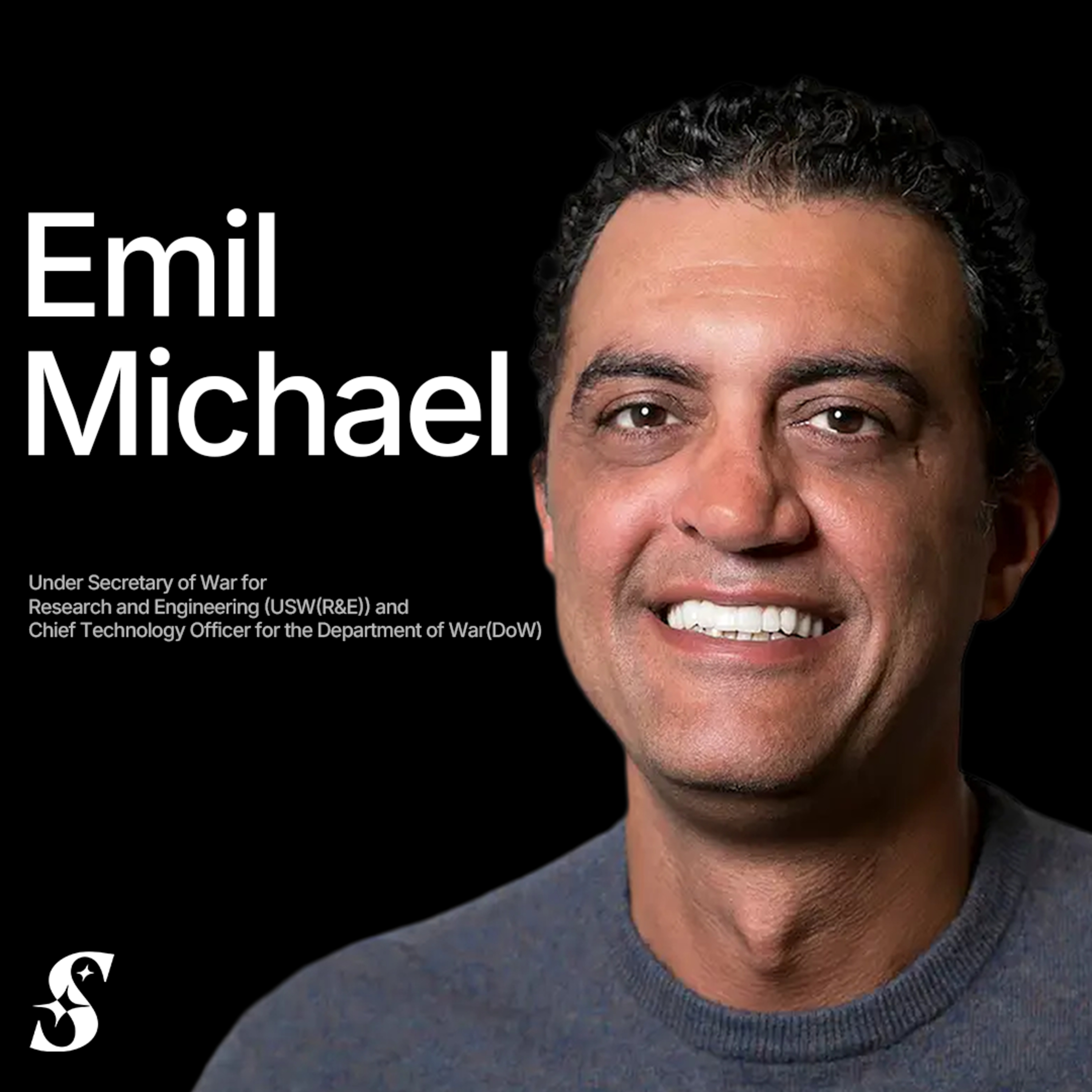
Under Secretary of War Emil Michael reveals a strategic pivot away from restrictive, "fair fight" rules of engagement. The new approach, reminiscent of the Powell Doctrine, emphasizes using overwhelming force to achieve clear objectives quickly and minimize US casualties.

The U.S. military is unparalleled in "decisive operations" (Phase 3) but consistently fails at long-term stabilization (Phase 4). To succeed, strategy should be reverse-engineered from the desired post-conflict state, rather than focusing solely on winning the initial battle.

Lithuania's national security strategy involves preparing every citizen, regardless of age or ability, to resist an invasion. This societal-level readiness, from civilian training to survival planning, acts as a powerful deterrent by signaling that any occupation would face widespread, sustained opposition from the entire population, not just the military.

A population can be habituated to war through gradual escalation. By starting with seemingly small, contained "lightning strikes," each subsequent step feels less shocking. This incremental approach can lead a nation into a major conflict without a single decisive moment of public debate or consent.

China's showcase of advanced military hardware, like its new aircraft carrier, is primarily a psychological tool. The strategy is to build a military so 'forbiddingly huge' that the US would hesitate to engage, allowing China to achieve goals like reabsorbing Taiwan without fighting. This suggests their focus is on perceived power to deter intervention.

Agencies like Mossad strategically allow or even promote media about their successful operations (e.g., films like "Munich"). This acts as information warfare, shaping a global perception of their omnipotence. This cultivated mystique serves as a powerful deterrent, even if their true capabilities are more limited.

The US military's effectiveness stems from a deep-seated culture of candor and continuous improvement. Through rigorous training centers, it relentlessly integrates lessons to avoid repeating mistakes in combat, a mechanism adversaries often lack, forcing them to learn "as they lose lives."

A government's inability to answer basic questions like "Why now?" during a military action is perceived as incompetence. This defensive communication signals a lack of conviction to adversaries, encouraging them to simply endure until American political will collapses.

To combat a lack of progress, the Department of War consolidated 14 critical technology areas to six. The rationale is that a smaller number is easier for staff to remember and act on daily, similar to how corporate values are structured for cognitive retention. An overly long list of priorities signals inaction.
The Department of War's 'peacetime speed' isn't just bureaucratic inertia. It traces back to a 'Last Supper' event where Pentagon leaders intentionally told industry to slow innovation and consolidate. This historical context reveals the deep-seated cultural challenges in accelerating defense procurement today.
