To combat a lack of progress, the Department of War consolidated 14 critical technology areas to six. The rationale is that a smaller number is easier for staff to remember and act on daily, similar to how corporate values are structured for cognitive retention. An overly long list of priorities signals inaction.
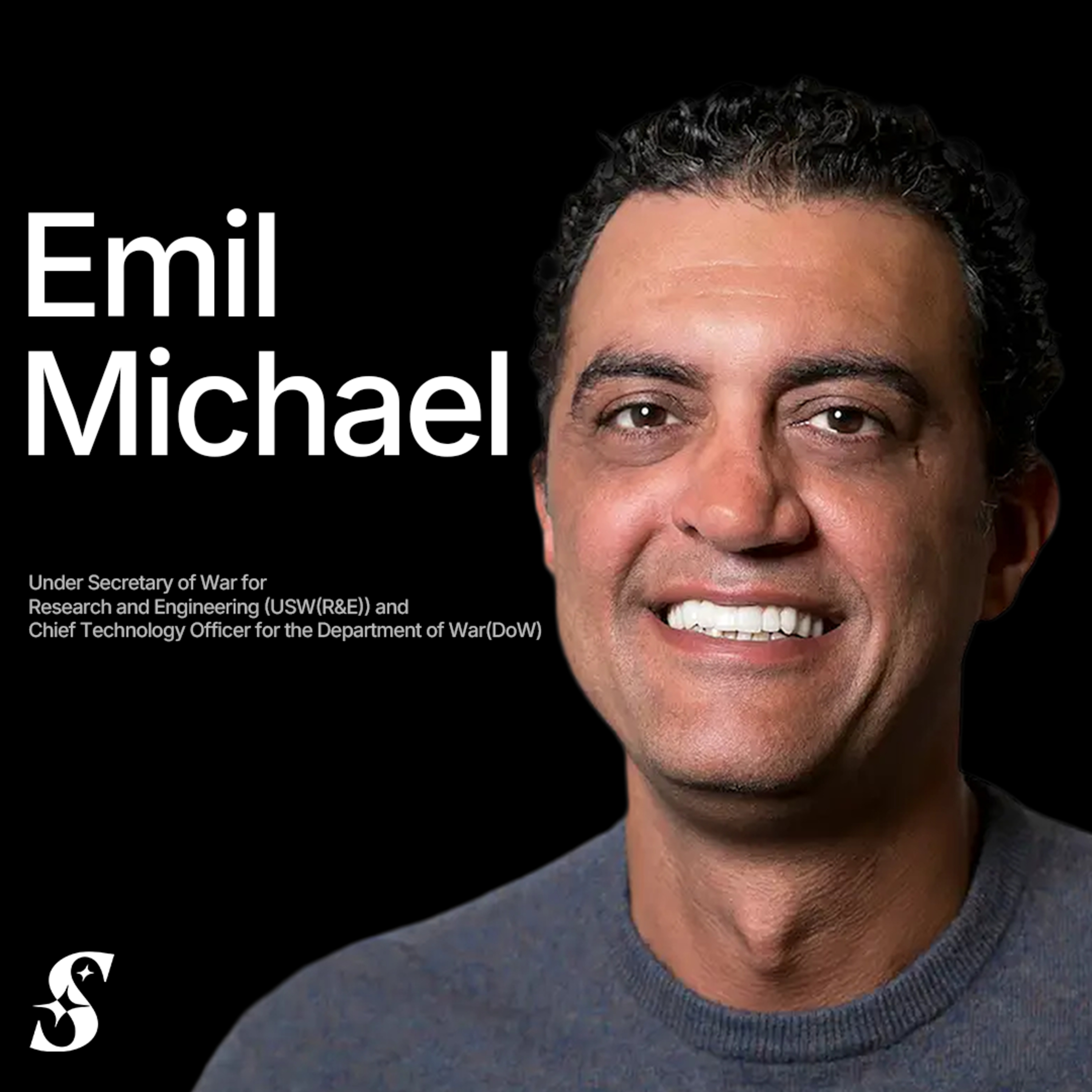
The Under Secretary of War's primary job is not just to fund technology, but to actively cultivate an ecosystem of new defense contractors. The stated goal is to create five more major companies capable of challenging established primes like Lockheed Martin, fostering competition and bringing new capabilities into the defense sector.
The Under Secretary of War defines the current "1938 moment" not as an imminent war, but as a critical juncture for rebuilding the domestic industrial base. The focus is on reversing decades of outsourcing critical components like minerals and pharmaceuticals, which created strategic vulnerabilities now deemed unacceptable for national security.
The war in Ukraine has evolved from a traditional territorial conflict into a "robot war," with drones dominating the front lines. This real-world battlefield is accelerating innovation at an "unbelievable" pace, driving new solutions for secure communications and autonomous targeting, providing critical lessons for US drone strategy.
The Under Secretary of War, a former Uber executive, likens his government role to his startup experience. The key parallel is being a "political disruptor" who examines a massive, entrenched bureaucracy like the Department of War with a "clean sheet of paper," questioning existing processes and empowering change from first principles.
Contrary to its controversial public image, the Under Secretary of War asserts that Palantir's primary value to the government is solving mundane, critical logistics problems. The software helps track assets like tanks and munitions—a basic inventory management function essential for a massive bureaucracy.