Get your free personalized podcast brief
We scan new podcasts and send you the top 5 insights daily.
A population can be habituated to war through gradual escalation. By starting with seemingly small, contained "lightning strikes," each subsequent step feels less shocking. This incremental approach can lead a nation into a major conflict without a single decisive moment of public debate or consent.

Related Insights
An act of aggression can become so popular domestically that leaders feel compelled to see it through, even if initially intended as a negotiating tactic. The Argentine junta found the Falklands invasion was "the most popular thing they'd ever done," trapping them in a conflict they couldn't easily abandon.

A current US military doctrine involves intentionally starting conflicts with limited force, knowing the resulting instability will spread to allies. This compels them to "share the burden" of US national security interests, effectively forcing their involvement in conflicts they might otherwise avoid.

Historically, rising and ruling powers don't stumble into war directly. Instead, their heightened distrust creates a tinderbox where a seemingly minor incident involving a third party (like the assassination in Sarajevo pre-WWI) can escalate uncontrollably into a catastrophic conflict.

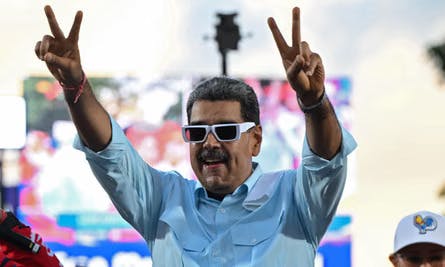
Authoritarian leaders who publicly mock or dismiss threats risk triggering a military response driven by personal pride. Venezuelan President Maduro's televised dancing was reportedly perceived by the Trump administration as calling their bluff, demonstrating how avoiding the appearance of being a 'chump' can become a primary motivator for military action.
The "TACO" acronym serves as a predictive model for Trump's foreign policy. It suggests a pattern of aggressive posturing and military action followed by a rapid search for a diplomatic "off-ramp" once resistance is met. Markets and adversaries can anticipate this behavior, expecting a short conflict despite initial escalation.
Constant exposure to global crises like political polarization causes a 'collective amygdala hijack,' putting society into a chronic defensive state that impairs higher-order thinking and empathy. In this state, we lose nuance, become more prone to tribalism, and are easier to control.

Soviet leaders who lived through WWII understood the unpredictability of direct conflict and preferred proxy wars. Vladimir Putin, in contrast, has consistently used direct "hot wars"—from Chechnya to Georgia to Ukraine—as a primary tool to consolidate power and boost his domestic popularity.

Iran's strategy isn't a quick military victory but a war of attrition. By accepting a long timeline and inflicting small but consistent damage, it aims to erode US domestic support for the war, especially in an election year, and outlast the current administration.

To build support for a war of annihilation, the influential Roman senator Cato ended every single speech, regardless of topic, with the phrase "Carthage must be destroyed." This relentless repetition created a political "drumbeat of war" that normalized a radical policy and fostered public support.

When moderate leaders respond to radical actions with tepid statements instead of decisive opposition, they grant tacit approval. Their lack of a strong reaction acts as a "weather vane for normies," signaling to average citizens that the behavior is acceptable.
