Get your free personalized podcast brief
We scan new podcasts and send you the top 5 insights daily.
The Department of War's 'peacetime speed' isn't just bureaucratic inertia. It traces back to a 'Last Supper' event where Pentagon leaders intentionally told industry to slow innovation and consolidate. This historical context reveals the deep-seated cultural challenges in accelerating defense procurement today.

Related Insights
The Ukrainian conflict demonstrates the power of a fast, iterative cycle: deploy technology, see if it works, and adapt quickly. This agile approach, common in startups but alien to traditional defense, is essential for the U.S. to maintain its technological edge and avoid being outpaced.

Decades of adding regulations without subtracting have made the current defense procurement framework unsalvageable through minor adjustments. To achieve necessary speed and efficiency, policymakers must abandon the current system and start fresh, focusing on outcome-based contracts rather than process compliance.
Frank Kendall argues that criticism of defense primes is misplaced. The defense industrial base builds what its customer, the Department of Defense, asks for. To get cheaper, simpler, and more innovative products, the services must change their requirements and demand them. The problem lies with the customer, not the supplier.

The military lacks the "creative destruction" of the private sector and is constrained by rigid institutional boundaries. Real technological change, like AI adoption, can only happen when intense civilian leaders pair with open-minded military counterparts to form a powerful coalition for change.

The US defense industry's error was creating a separate, "exquisite" industrial base. The solution is designing weapons that can be built using existing, scalable commercial manufacturing techniques, mirroring the successful approach used during World War II.
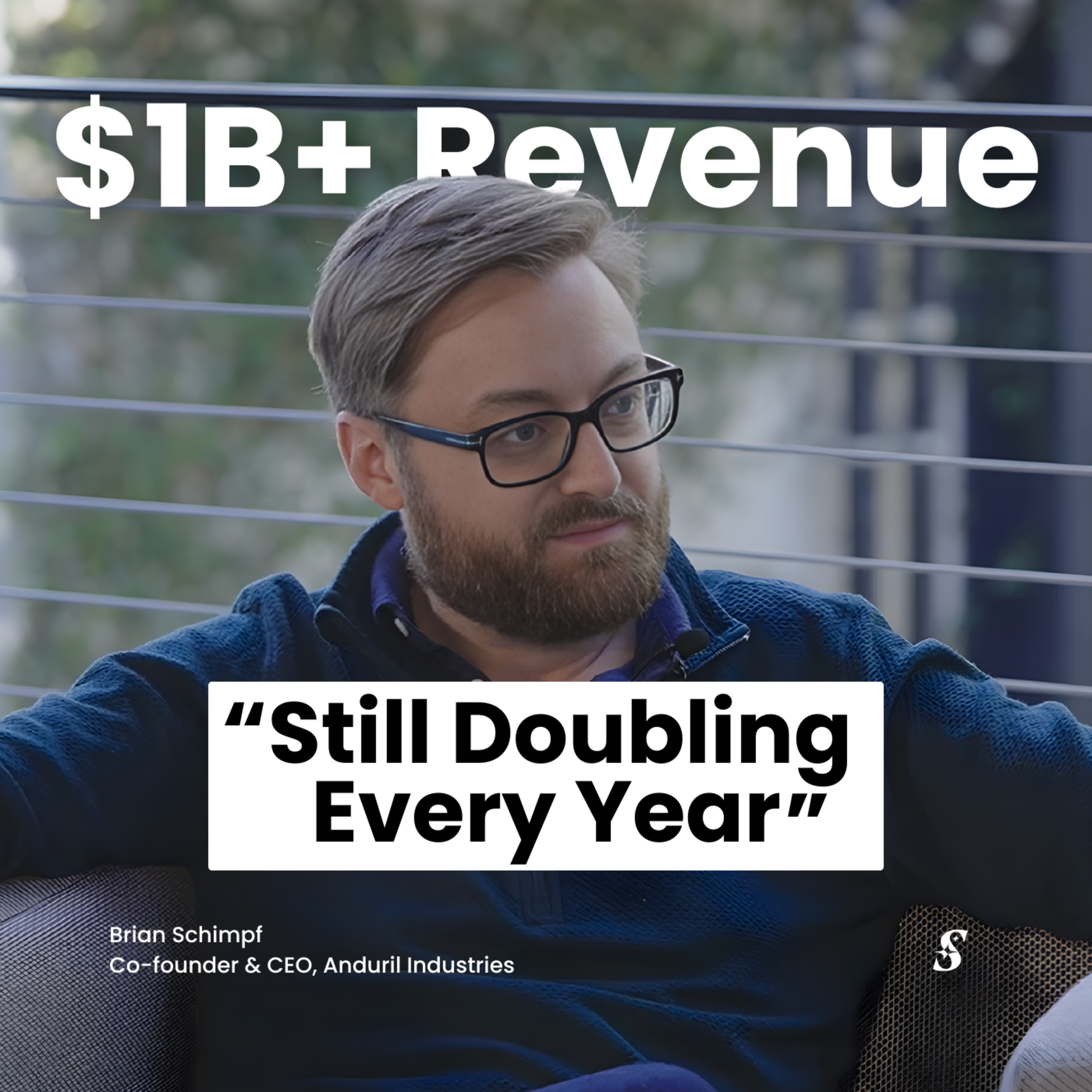
The Pentagon is moving away from decades-long, multi-billion dollar projects like aircraft carriers. The new focus is on mass-produced, attributable, low-cost systems like drones, which allows for faster innovation and deployment from new defense tech startups, not just the old primes.

The defense procurement system was built when technology platforms lasted for decades, prioritizing getting it perfect over getting it fast. This risk-averse model is now a liability in an era of rapid innovation, as it stifles the experimentation and failure necessary for speed.
Emil Michael identifies a key cultural flaw in the Pentagon: a tendency to avoid giving a direct 'no' to vendors. This ambiguity leaves startups burning cash while awaiting a decision. He is pushing for a culture of 'faster yeses, faster nos' to give startups the clarity they need to survive and pivot.
Well-intentioned ethics rules have created a culture of fear, making government officials hesitant to engage in open dialogue with industry experts. This stifles the rapid, collaborative problem-solving that was crucial during the Cold War, slowing down innovation and preventing the best ideas from emerging quickly.
Under Secretary of War Emil Michael states the biggest barrier for defense startups isn't technology, but navigating procurement bureaucracy. By reforming requirements and shifting to commercial-style, fixed-cost contracts, the Pentagon aims to favor product innovation over process navigation.