Get your free personalized podcast brief
We scan new podcasts and send you the top 5 insights daily.
UK Labour leader Keir Starmer's survival of a leadership crisis is aided by the lack of a clear, consensus-driven successor. Each potential challenger carries significant political baggage or lacks broad party support. This disunity among would-be challengers gives a weakened incumbent a path to cling to power, despite widespread dissatisfaction.

Related Insights
A strategic reason for a leader to resign is to de-escalate public tension. After a crisis, the leader can become a symbol of that difficult period. By stepping down, they absorb the negative sentiment, lower the political temperature, and allow their organization to move forward.

To frame the next election as a binary choice between his Labour party and the far-right Reform party, Prime Minister Keir Starmer is strategically complimenting the Conservative party. This unusual tactic aims to portray Reform as an extremist threat outside the political mainstream, thereby marginalizing the traditional opposition.

Keir Starmer built his political identity on being a departure from scandal-plagued politics. By appointing Peter Mandelson, a figure with a long history of controversy, he created a self-inflicted wound that directly contradicts his core message. This demonstrates the high risk of associating with influential but tainted figures, regardless of their perceived abilities.

If a decision has universal agreement, a leader isn't adding value because the group would have reached that conclusion anyway. True leadership is demonstrated when you make a difficult, unpopular choice that others would not, guiding the organization through necessary but painful steps.

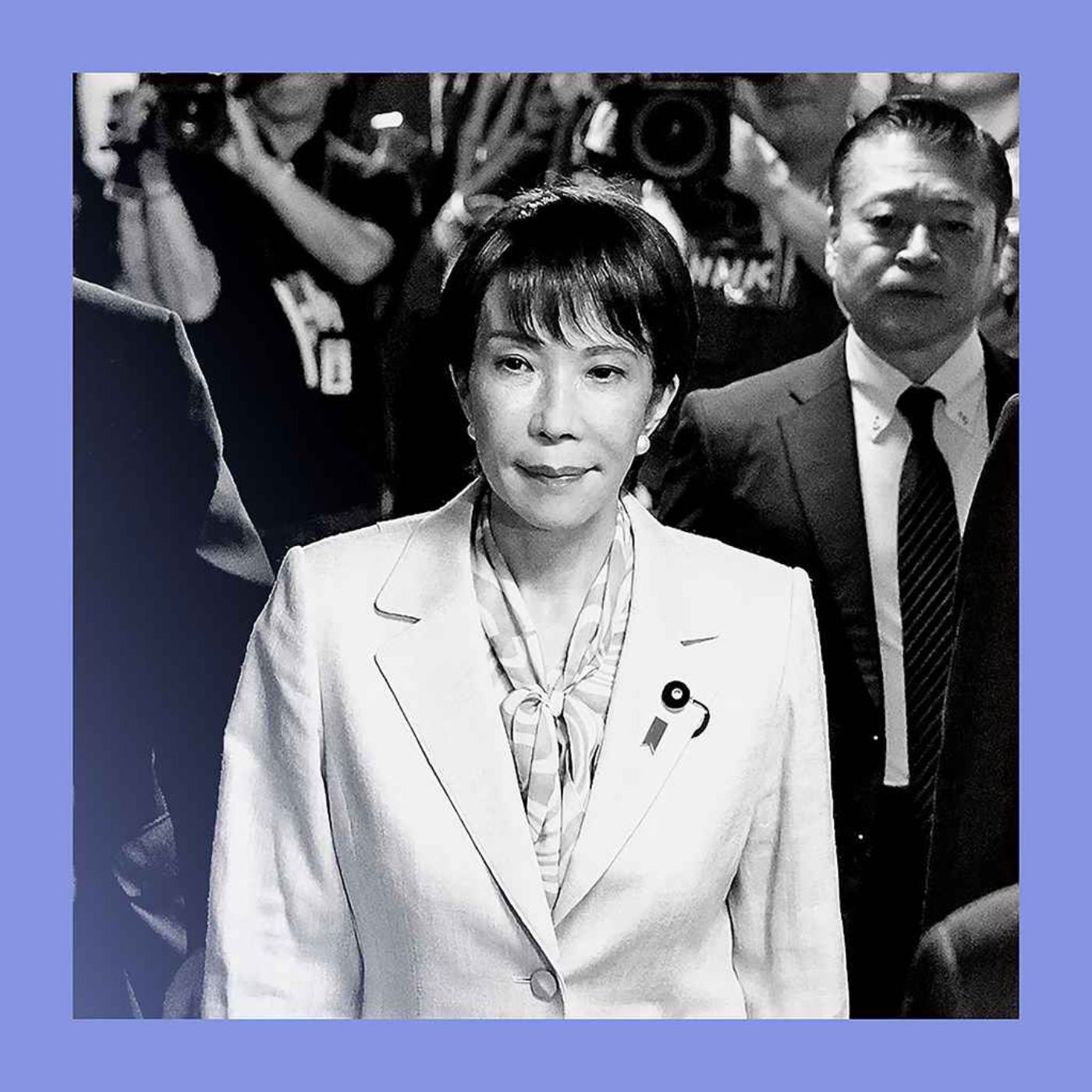
Japan's ruling LDP selected Takaichi Sanae, a leader with a brash, populist aesthetic, not to upend the system but to co-opt populist appeal. This strategy aims to fend off genuine anti-establishment challengers and re-establish the party's grip on power, demonstrating a novel approach to maintaining the status quo.
Despite accurately identifying severe economic and social challenges facing Britain, Keir Starmer's Labour government has proposed policies considered too small and shallow. There is a significant mismatch between the gravity of his diagnosis and the scale of his proposed solutions, leading to criticism that his administration is not meeting the moment.
The Peter Mandelson scandal became a career-ending crisis for UK Labour leader Keir Starmer not in isolation, but because it amplified existing perceptions of his leadership as directionless. It directly contradicted his core political brand of bringing calm and competence, making it a powerful symbol of his failure to deliver on his promises.
To survive a leadership crisis, Keir Starmer must make policy concessions to his party's restive factions. This approach, dubbed "ice cream for breakfast," secures his immediate position but weakens his authority to enact difficult reforms for the country, prioritizing internal party peace over national problem-solving.
In a scenario where VP JD Vance replaces an incapacitated Trump, he would be a less formidable leader. Vance lacks Trump's powerful personality cult, which is the essential glue holding his diverse and often conflicting political coalition together. Without it, Vance would face significant internal party resistance.

Media speculation about a UK Labour leadership challenge has minimal market impact because party rules make ousting a leader difficult. Unlike the Conservatives, Labour has no simple confidence vote and requires 20% MP support to trigger a ballot where the incumbent is automatically included.
