Get your free personalized podcast brief
We scan new podcasts and send you the top 5 insights daily.
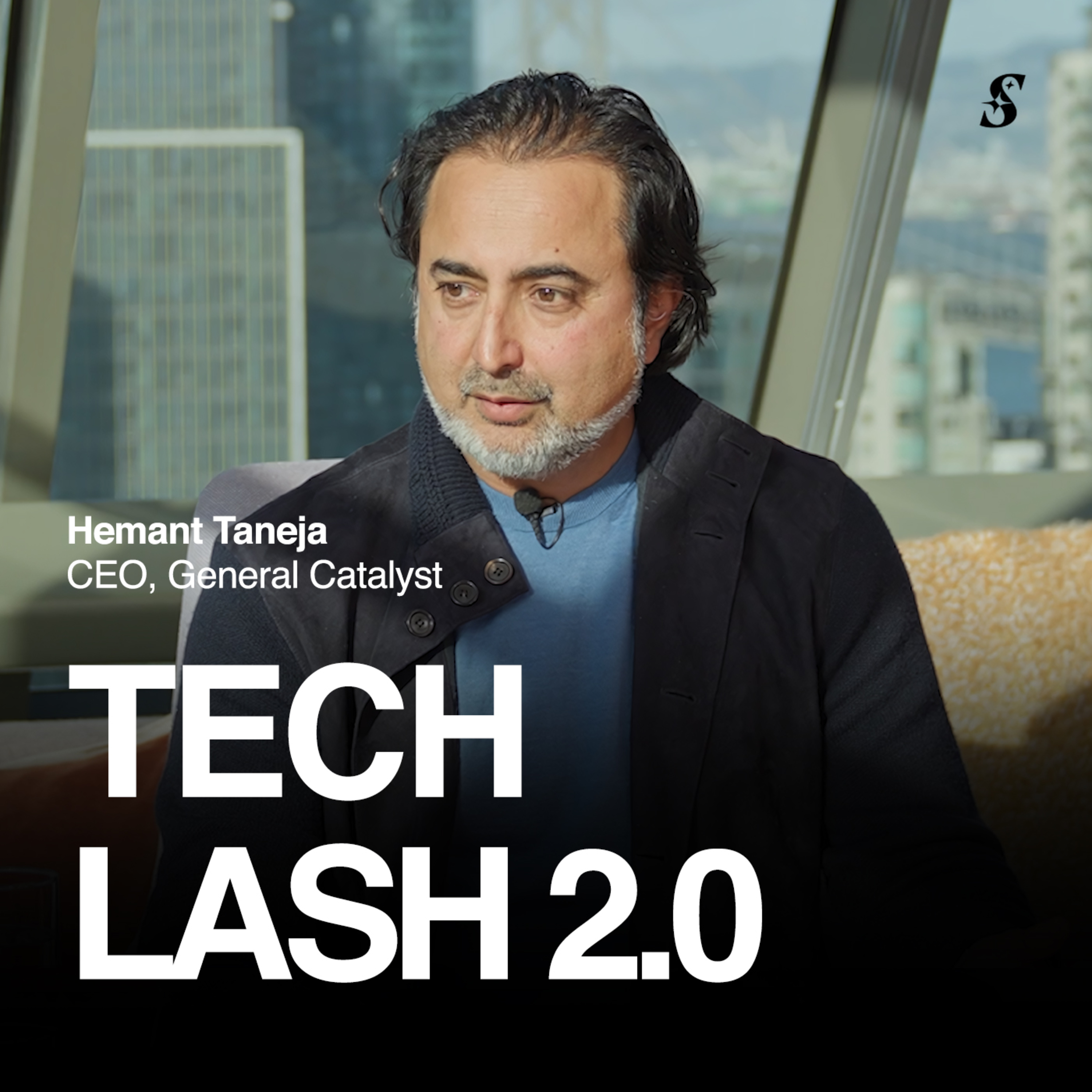
GC's CEO Hemant Taneja views his role as an orchestrator, not a dictator. He employs a "servant leadership" model where any partner with conviction can lead an investment. His job is to ensure their thinking is rigorous, not to impose his own views, which he believes would create missed opportunities.
Related Insights
To ensure robust decision-making, Eclipse requires that if a partner feels strongly against a potential investment, they must join the deal team alongside the champions. This forces a direct confrontation of the risks and ensures that by the time an investment is made, all major concerns have been addressed.
Architecture giant Gensler implements a co-leadership model not just at the CEO level but throughout the firm. This structure thrives by pairing leaders with complementary skills ("aces and spaces") and is built on a foundation of deep trust, allowing partners to defer to one another's judgment in disagreements.

Investor Byron Deeter looks for two seemingly contradictory traits: intense conviction and coachability. The signal of a great leader is that when pressure mounts, they don't retreat inward; they actively seek more input from their team and advisors before making a decisive call.
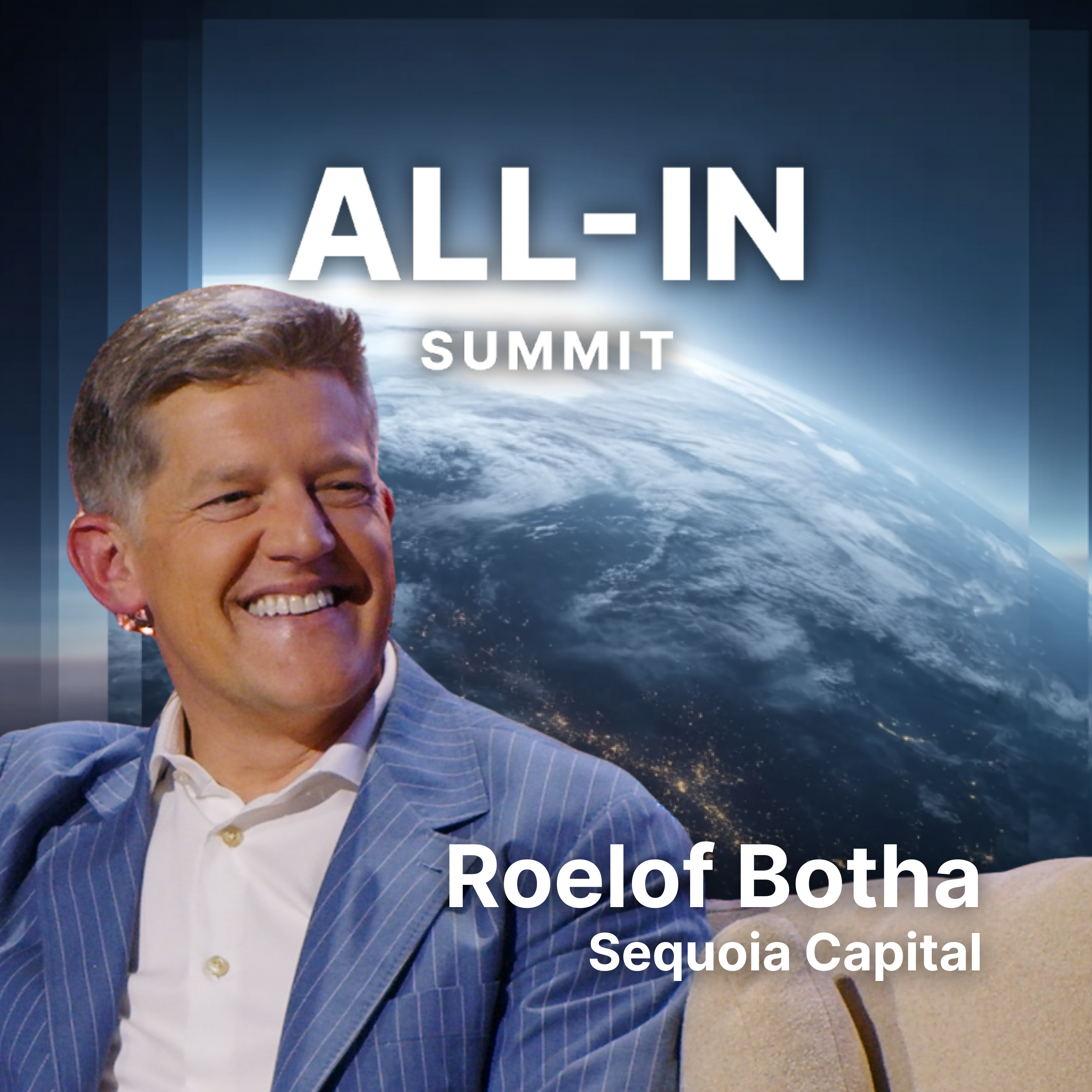
Sequoia operates on a consensus model where every partner must agree for an investment to proceed. A single "no" vote can kill a deal. This high-stakes process forces deep conviction, though partners can be convinced to override their own negative intuition if the rest of the team is overwhelmingly positive.
Hemant Taneja rejects the trope that founders must be ruthless to succeed. He actively fosters a culture where kindness and ambition coexist, believing the glorification of the "asshole symptom" is a false and unnecessary ingredient for building great companies.
Unlike committees, where partners might "sell" each other on a deal, a single decision-maker model tests true conviction. If a General Partner proceeds with an investment despite negative feedback from the partnership, it demonstrates their unwavering belief, leading to more intellectually honest decisions.

The most valuable role for a board member isn't giving advice, but acting as a "sparring partner." This involves asking sharp questions that help founders surface their own insights and gain clarity on ideas they already hold, especially when navigating uncharted territory.
Former BetterRx CEO Ben Clark sets the expectation that his leaders should be ahead of him 90% of the time, bringing him well-formed plans to critique rather than asking for direction. This empowers domain experts to truly own their space and frees the CEO to focus on high-level strategy and support.

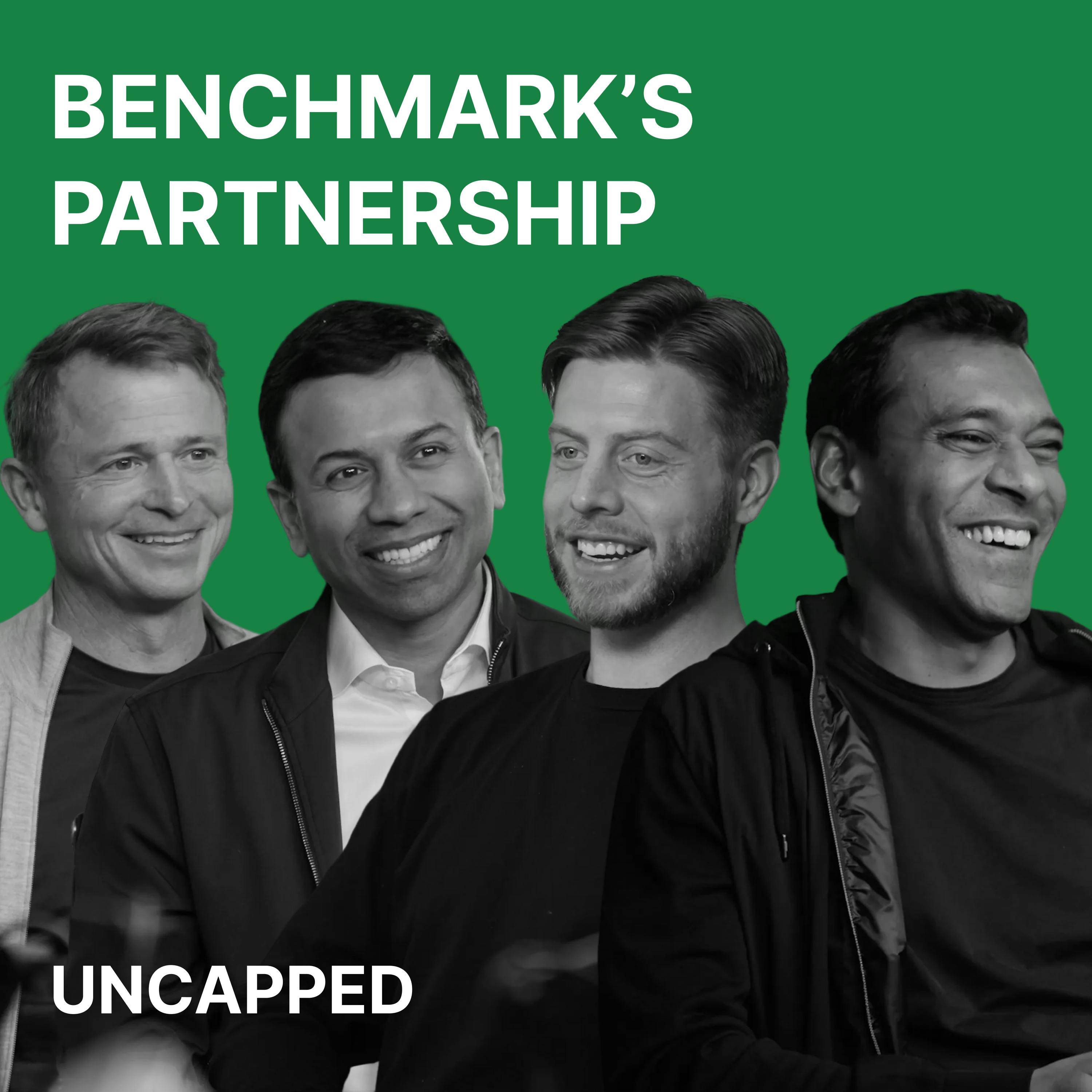
Unlike operating companies that seek consistency, VC firms hunt for outliers. This requires a 'stewardship' model that empowers outlier talent with autonomy. A traditional, top-down CEO model that enforces uniformity would stifle the very contrarian thinking necessary for venture success. The job is to enable, not manage.

Exor's governance model focuses on finding the right leaders and then giving them space to execute. They review plans and organizational structures but avoid micromanagement, viewing their role as a supportive yet challenging partner to the CEOs of their portfolio companies.
![Exor: Fiat Crisis to Ferrari Glory - [Business Breakdowns, EP.229] thumbnail](https://megaphone.imgix.net/podcasts/81a71ab6-9e6b-11f0-8aff-7bd806e17203/image/1c411f84b9b949374f0accaa0a5ff38a.jpg?ixlib=rails-4.3.1&max-w=3000&max-h=3000&fit=crop&auto=format,compress)