Get your free personalized podcast brief
We scan new podcasts and send you the top 5 insights daily.
Former BetterRx CEO Ben Clark sets the expectation that his leaders should be ahead of him 90% of the time, bringing him well-formed plans to critique rather than asking for direction. This empowers domain experts to truly own their space and frees the CEO to focus on high-level strategy and support.

Related Insights
Alex Bouaziz eschews traditional management structures like weekly 1-on-1s and performance reviews for his 20+ direct reports. Instead, he relies on a continuous, high-frequency feedback loop through daily, informal communication. His role is to enable his leaders by constantly asking what's broken and how he can help, rather than following a rigid cadence.
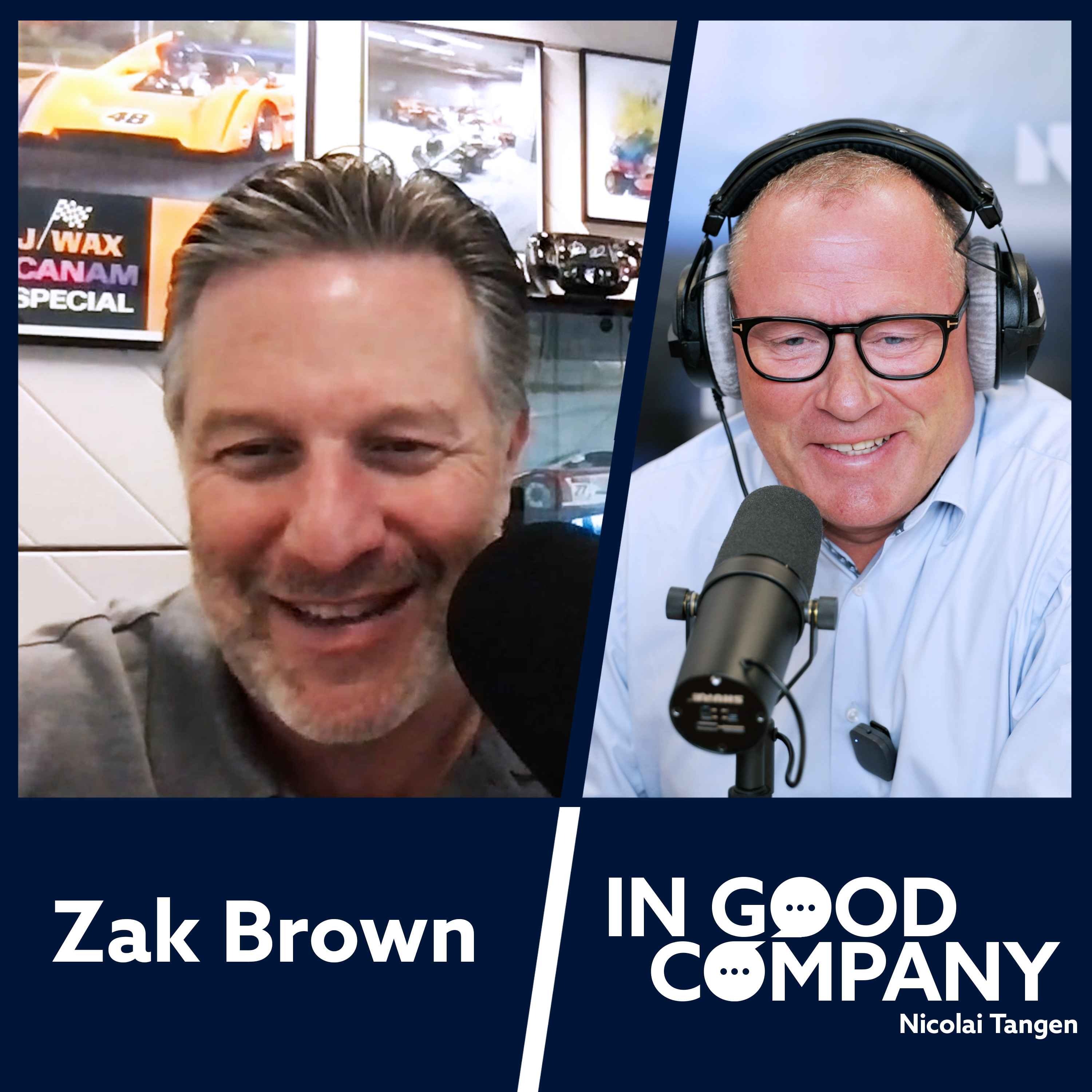
McLaren's CEO Zak Brown re-frames leadership as a service function. His primary job is to ensure his 1,400-person team has the tools, funding, and motivation to succeed. He sees himself as one employee whose responsibility is to "keep them all fed and hungry."
A global quantitative study found that the number one factor in making employees feel valued—a key driver of sustainable growth—was having a boss who tells them what to do, not how to do it. This approach, dubbed "treating smart people like they're smart," empowers them to use their own expertise.
Leaders often feel they must have all the answers, which stifles team contribution. A better approach is to hire domain experts smarter than you, actively listen to their ideas, and empower them. This creates a culture where everyone learns and the entire company's performance rises.
CEO Oliver Karaz defines his role by three decision types: 1) hiring senior leaders he can trust to run their domains, 2) absorbing blame for calculated risks to encourage team innovation, and 3) integrating diverse inputs to set the company’s long-term 'where the puck is going' strategy.

Instead of solving problems brought by their team, effective leaders empower them by shifting ownership. After listening to an issue, the immediate next step is to ask the team to propose a viable solution. This builds their problem-solving and decision-making capabilities.

The transition from a hands-on contributor to a leader is one of the hardest professional shifts. It requires consciously moving away from execution by learning to trust and delegate. This is achieved by hiring talented people and then empowering them to operate, even if it means simply getting out of their way.
Unlike a functional manager who can develop junior talent, a CEO lacks the domain expertise to coach their entire executive team (e.g., CFO, VP of HR). A CEO's time is better spent hiring world-class leaders who provide 'managerial leverage' by bringing new ideas and driving their function forward, rather than trying to fix people in roles they've never done.

To avoid becoming a bottleneck, create a decision framework with tiered spending authority (e.g., $50 for any employee, $500 for managers). This pushes problem-solving down to the people with the most context, freeing up the CEO and speeding up operations.

The founder CEO is a business's purest energy source. Each subsequent management layer risks an order-of-magnitude drop-off in that intensity. A leader's job is not to shield their team from this pressure ('be a shit umbrella'), but to mirror and preserve it to fight against organizational entropy.