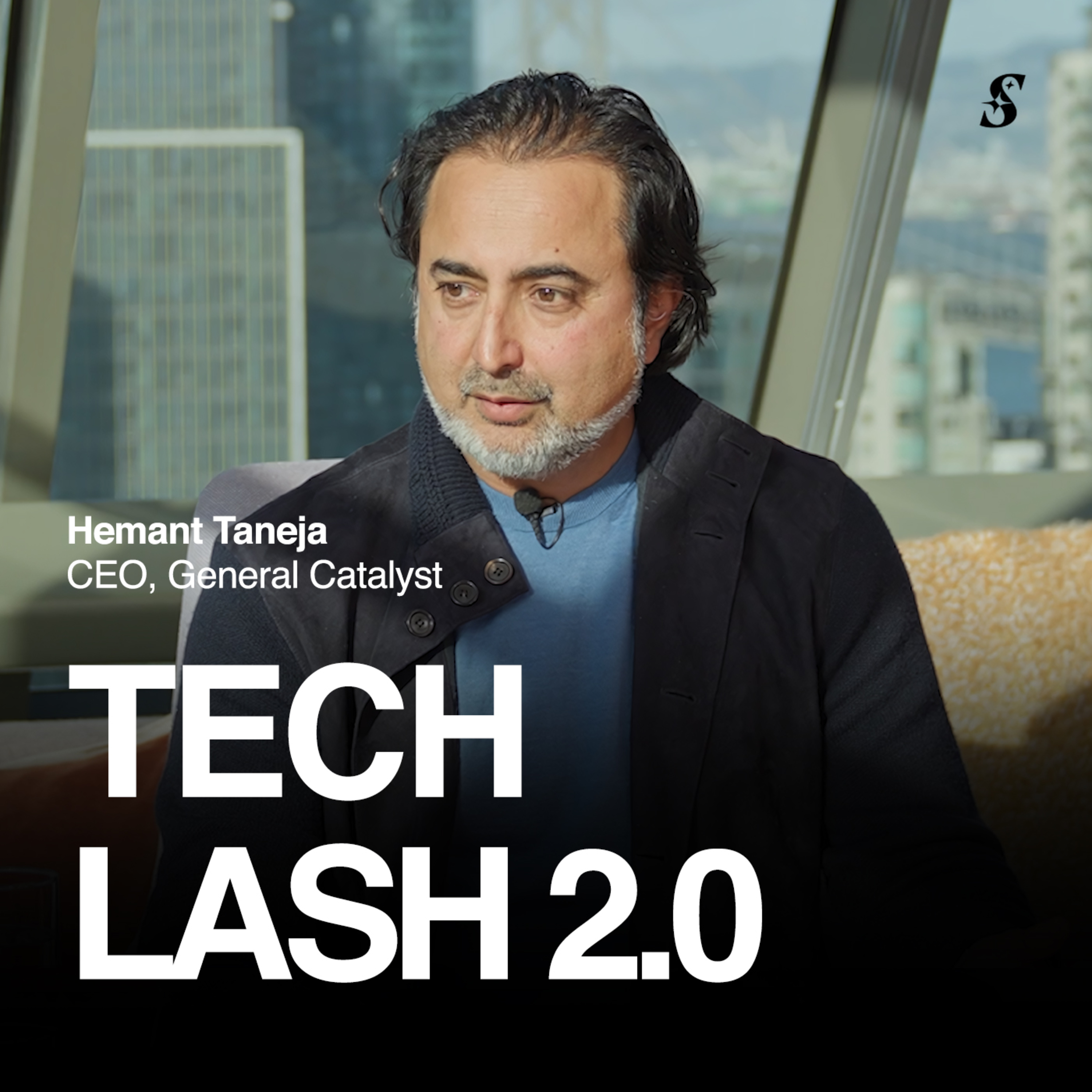
GC started its quarterly review to force a step back from the industry's fast-paced, polarized discourse on social media. It aims to foster deeper, more nuanced thinking on a quarterly basis instead of contributing to the high-velocity stream of reactive content.
The traditional software buyout playbook relies on a stable terminal value multiple for exits. However, AI's ability to make existing code obsolete means long-term free cash flow projections are no longer reliable, rendering the leverage-based PE model fundamentally flawed.
To manage LP expectations and maintain discipline, GC voluntarily marked down its entire portfolio by 40% during the COVID bubble. This counters the industry tendency to ride inflated paper gains, which distorts capital planning for both VCs and their LPs.
GC believes technology's natural gravity pulls toward concentration in a few mega-companies. Its investment thesis is to empower founders to build power-law companies that create a more distributed and inclusive innovation ecosystem, actively working against this concentration.
Rather than a US-centric view like "American Dynamism," GC invests in "Global Resilience." The thesis is that geopolitical tensions compel regions like Europe and India to build their own sovereign capabilities in defense and manufacturing, creating new, geographically distributed markets.
To grasp AI's profound changes, VCs must move beyond capital allocation. Hemant Taneja advocates for a "builder" mindset, getting hands-on experience by embedding teams in real-world environments like hospitals to learn how technology is truly being developed and adopted.
GC's CEO Hemant Taneja views his role as an orchestrator, not a dictator. He employs a "servant leadership" model where any partner with conviction can lead an investment. His job is to ensure their thinking is rigorous, not to impose his own views, which he believes would create missed opportunities.
Hemant Taneja rejects the trope that founders must be ruthless to succeed. He actively fosters a culture where kindness and ambition coexist, believing the glorification of the "asshole symptom" is a false and unnecessary ingredient for building great companies.