Get your free personalized podcast brief
We scan new podcasts and send you the top 5 insights daily.
Architecture giant Gensler implements a co-leadership model not just at the CEO level but throughout the firm. This structure thrives by pairing leaders with complementary skills ("aces and spaces") and is built on a foundation of deep trust, allowing partners to defer to one another's judgment in disagreements.

Related Insights
Gensler intentionally avoids a singular design style. Instead, they operate as a "constellation of stars," empowering diverse designers with a shared purpose—enhancing human experience—rather than a top-down aesthetic. This flexibility is key to their ability to serve a vast range of clients and scale globally.
To ensure alignment, Matt Spielman's coaching process starts with senior leadership. When managing partners define and share their "game plans," their goals become the organization's goals. This creates a natural cascading effect, as direct reports align their own objectives to support the firm's primary mission.
![[REPLAY] Matt Spielman – Executive Coaching in Asset Management (Capital Allocators, EP.210) thumbnail](https://static.libsyn.com/p/assets/f/b/7/6/fb76e1c8bfb69e8dd959afa2a1bf1c87/CA_Square_logo_light_background_6.26.24.jpg)
To prevent single points of failure, implement a "pilot/co-pilot" system. Regularly rotate employees, promoting the co-pilot to pilot and bringing in a new co-pilot. This develops well-rounded talent, breaks down knowledge silos, and makes the company anti-fragile, despite initial employee resistance to change.
Instead of crushing competent rivals, Rockefeller transformed them into collaborators. He offered them willing partnerships, significant autonomy to run their divisions, and a voice in overall company policy. This created a "company of founders," aligning interests and ensuring that top talent would join him rather than fight him.
Contrary to stereotypes, the best creative leaders possess a strong understanding of business mechanics. They use this knowledge not just for operational success, but as a crucial tool to protect their creative vision and build a robust, defensible enterprise.

The most effective masterminds consist of people from different industries and business stages. This diversity prevents direct comparison and fosters richer insights. The crucial factor for curation isn't similar resumes but shared values like generosity, honesty, and a willingness to learn. Energy alignment trumps expertise alignment.

Effective long-term leadership isn't static; it's an 'accordion' that flexes between deep involvement and granting autonomy. This adaptive approach is key for different company seasons, knowing when to lean into details and when to empower the team to make 'foot fault' mistakes and learn.

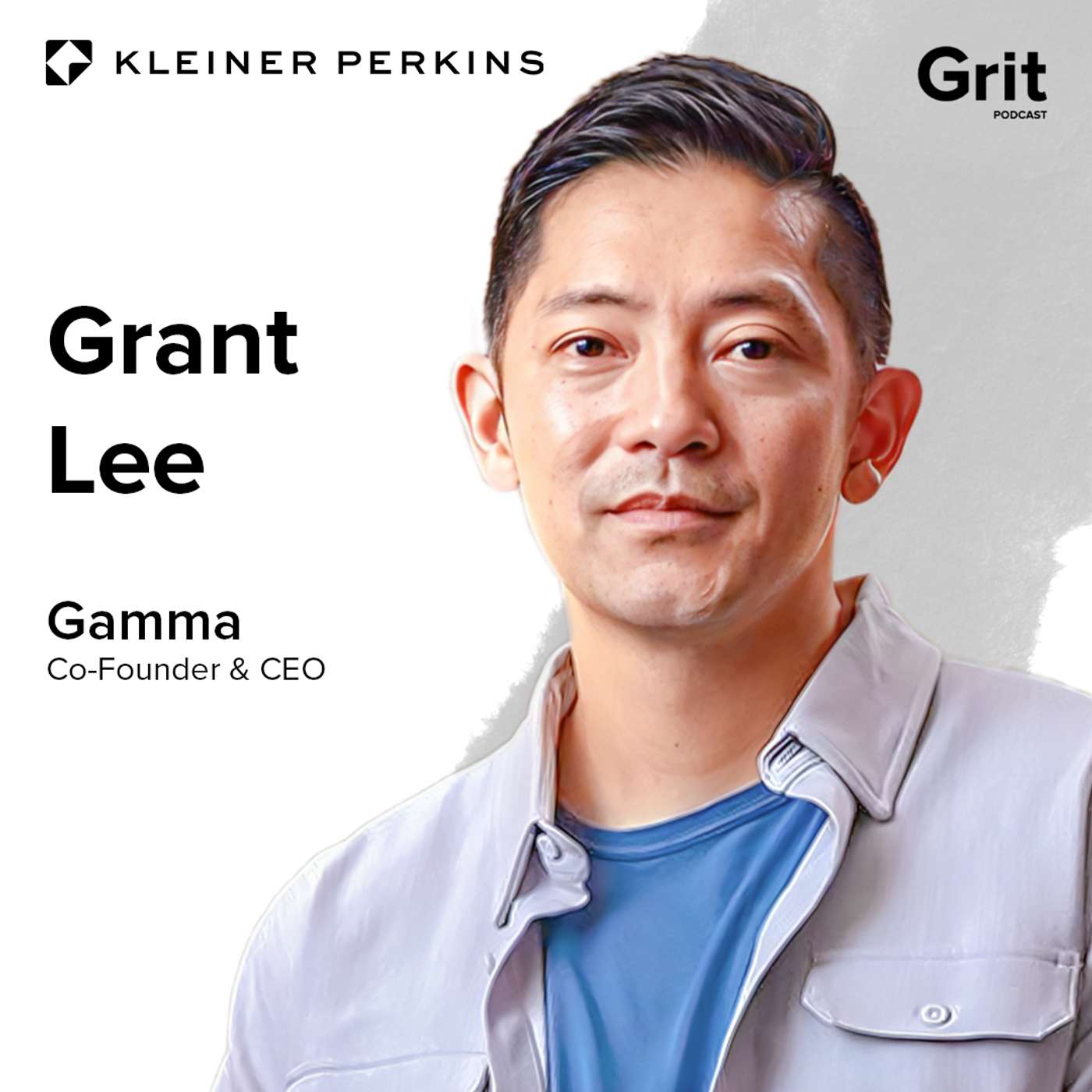
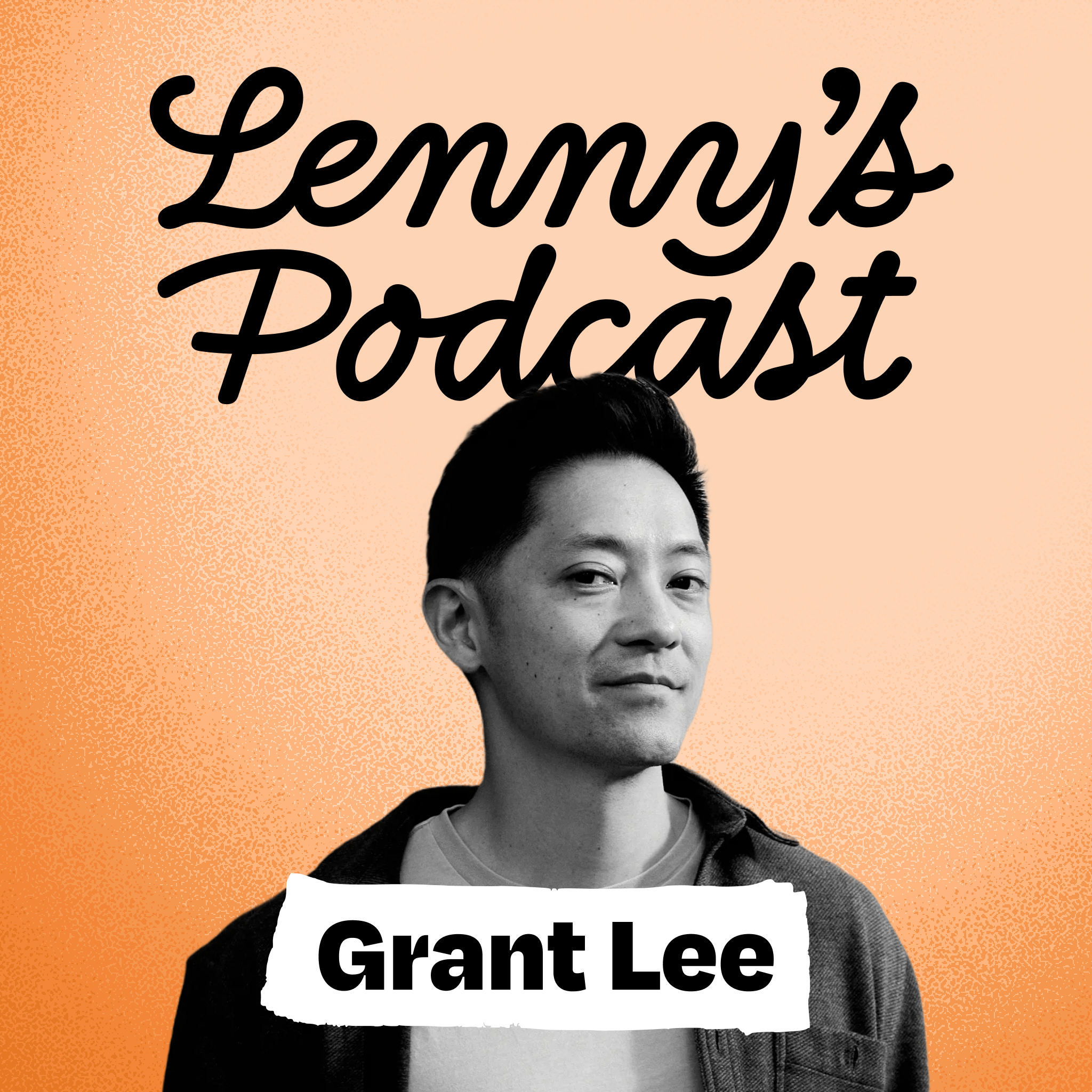
Gamma maintains a flat, high-impact organization by eschewing traditional managers. Instead, all leaders are "player-coaches"—they actively contribute as individual contributors while also mentoring their teams. This keeps leadership close to the work and empowers teams to adapt quickly without top-down commands.
Structuring compensation around a single, firm-wide P&L, rather than individual deal performance, eliminates internal competition. It forces a culture of true collaboration, as everyone's success is tied together. The system is maintained as a meritocracy by removing underperformers from the 'boat.'
![Martín Escobari - Inside General Atlantic - [Invest Like the Best, EP.449] thumbnail](https://megaphone.imgix.net/podcasts/90e6e3e6-c984-11f0-ae5f-27bb851bdc56/image/608fac468f77cb3014e96336896d96de.jpg?ixlib=rails-4.3.1&max-w=3000&max-h=3000&fit=crop&auto=format,compress)
Instead of traditional managers, Gamma hires "player-coaches"—leaders who actively contribute to the work, like shipping code, while also mentoring their team. This model maintains a flat structure, keeps leadership grounded, and works best in a lean organization.