Get your free personalized podcast brief
We scan new podcasts and send you the top 5 insights daily.
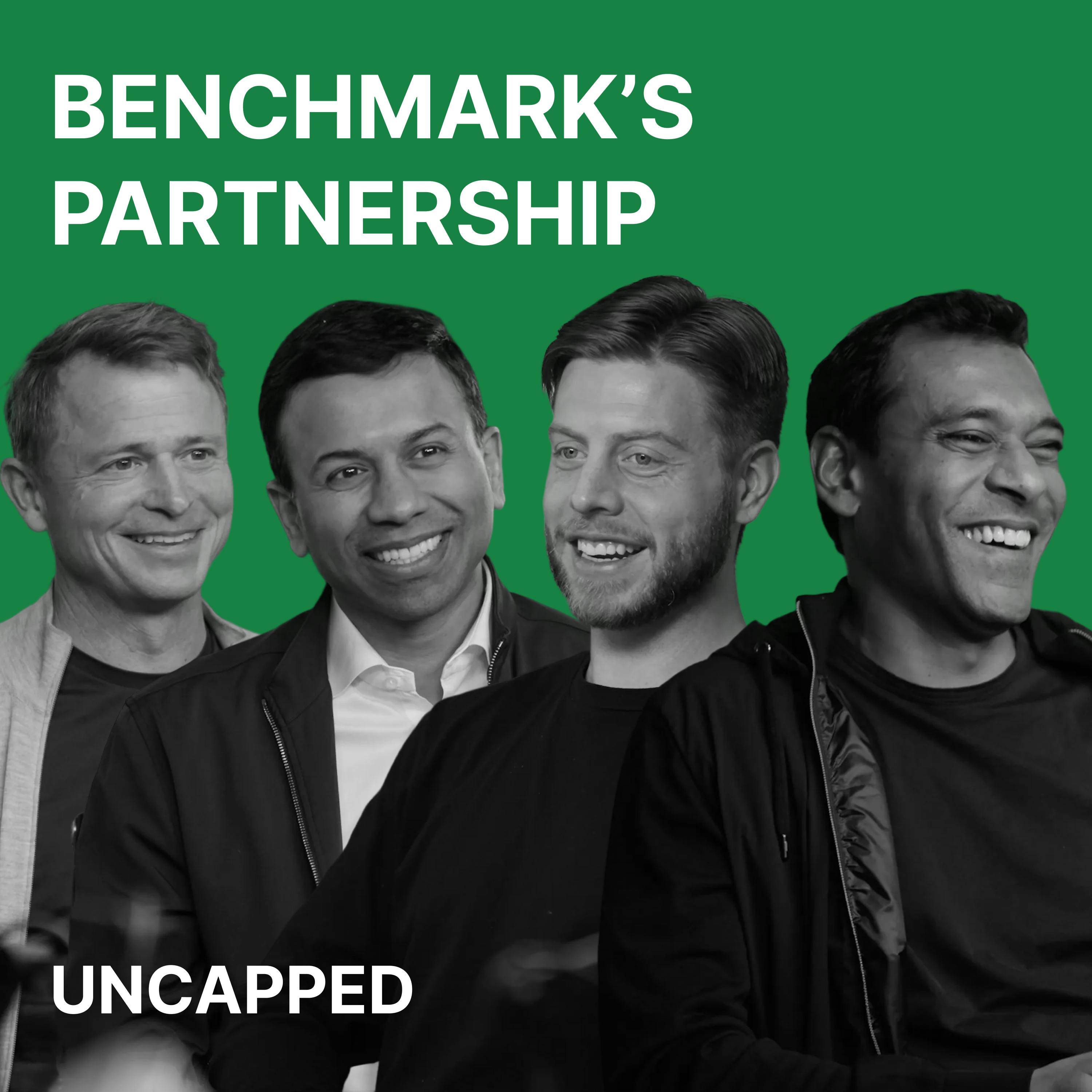
The most valuable role for a board member isn't giving advice, but acting as a "sparring partner." This involves asking sharp questions that help founders surface their own insights and gain clarity on ideas they already hold, especially when navigating uncharted territory.
Related Insights
A board member's role is to provide outside perspective to help a CEO think through a problem, not to make the decision. CEOs who ask 'what should we do?' risk abdicating responsibility to someone who lacks the deep operational context to make the right call. This can be destructive to a CEO's development.

Drawing an analogy to legendary music producer Rick Rubin, an investor's role is to help a founder find the most authentic and compelling version of their own story. The goal is not to invent a narrative, but to draw out the founder's core truth and channel it through their company.

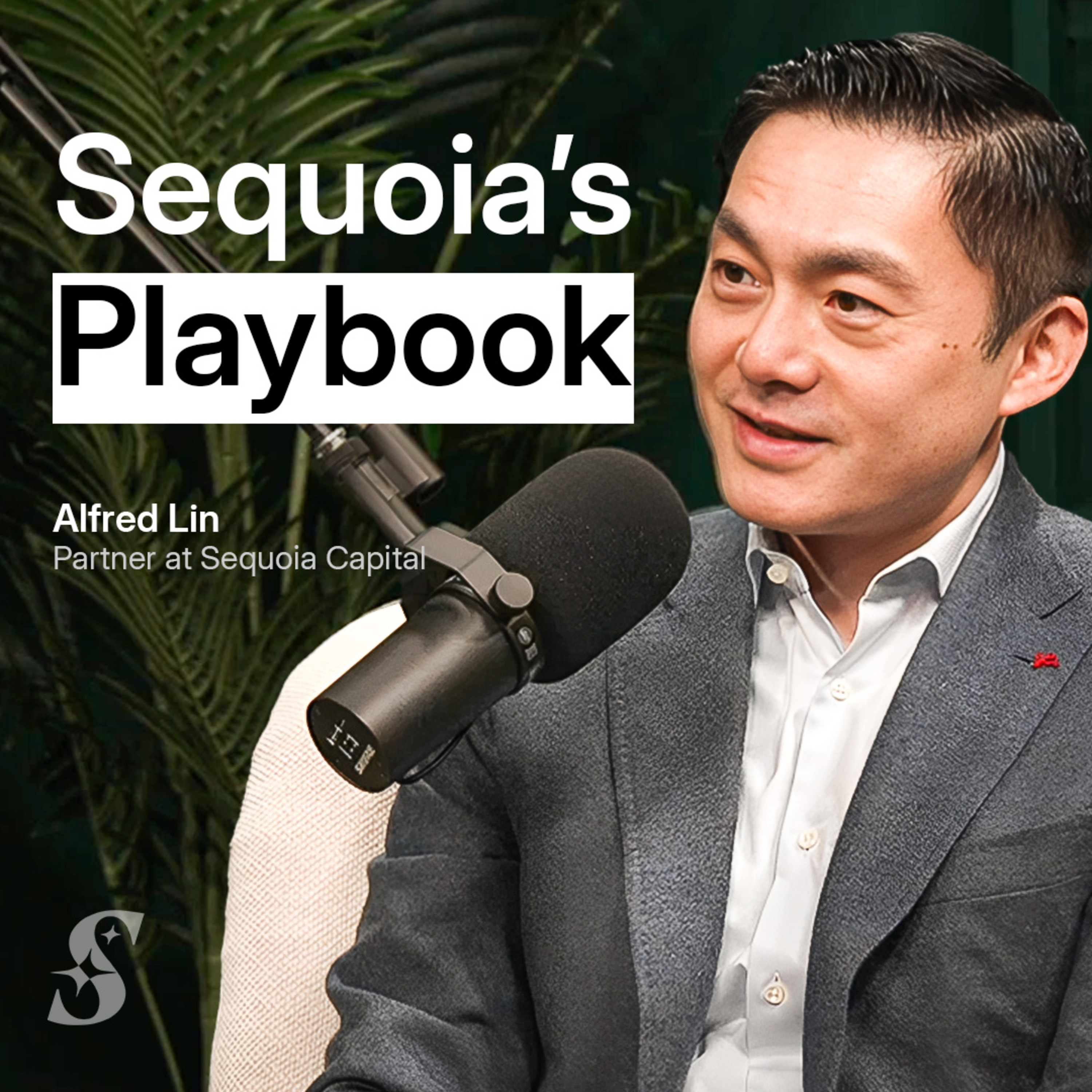
Alfred Lin's framework for board members is to be supportive 'shock absorbers' during hardships, helping founders pick up the pieces. When the company is succeeding, they become 'sparring partners' to challenge founders, prevent complacency, and push the business to the next level.
Effective private equity boards function as strategic advisory councils rather than governance bodies. Board members are expected to be co-investors who actively help with strategy, networking, and operational challenges like procurement, making them a key part of the value creation engine.

Founders should press VCs on how they specifically envision working together. A strong investor can articulate a nuanced plan tailored to the team's unique needs and the founder's working style, moving beyond a generic menu of services to show true alignment and understanding of the business's goals.
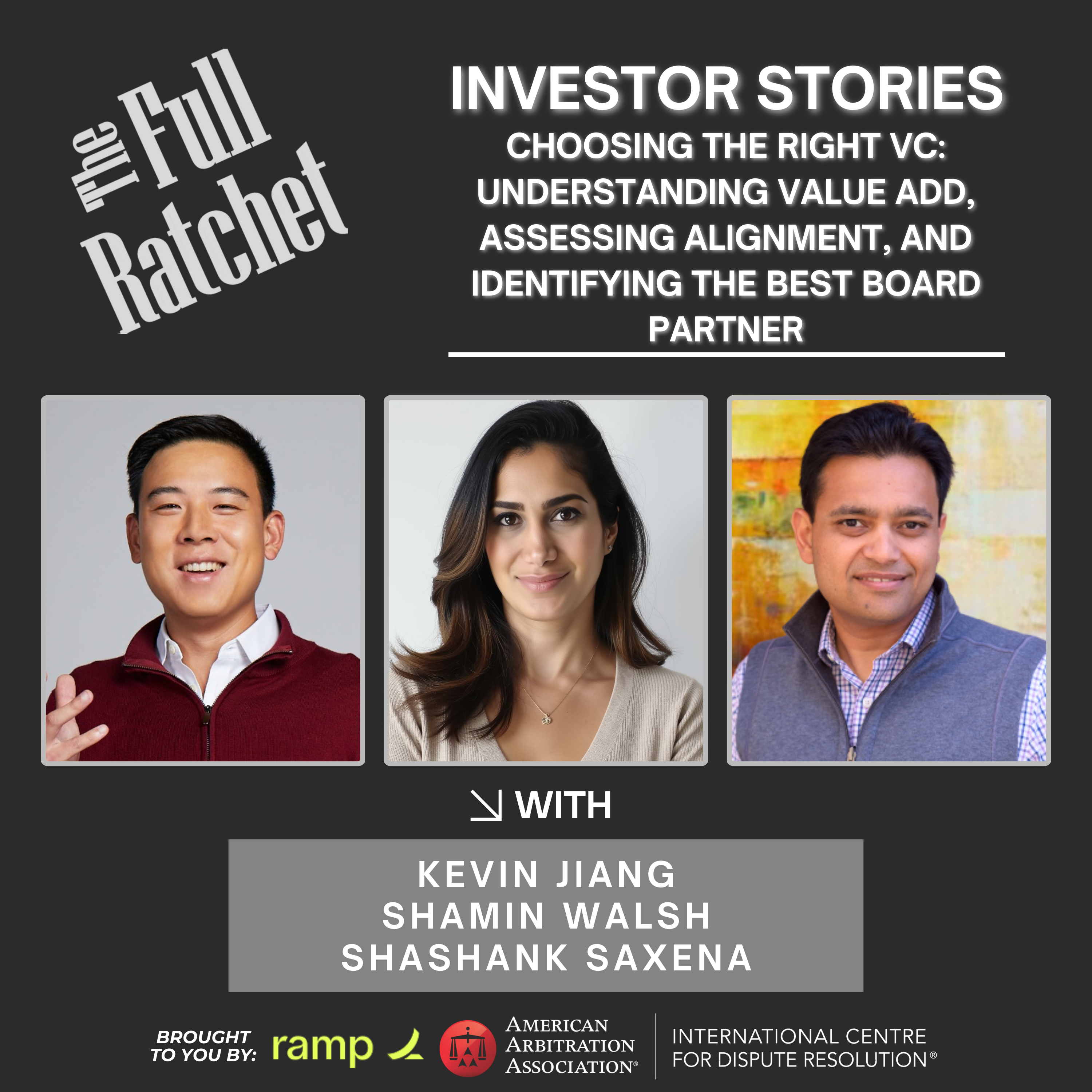
When fundraising, the most critical choice isn't the VC fund's brand but the specific partner who will join the board. Sophisticated founders vet the individual's strengths, weaknesses, and working style, as that person has a more direct impact on the company than the firm's logo on a term sheet.
Many VC firms hire former operators for their expertise, but success isn't guaranteed. The best operator-VCs avoid the urge to "backseat drive" the companies they fund. Instead, they leverage their experience with extraordinary humility, acting as a supportive advisor rather than a replacement CEO.

Reframe the pitch meeting from a judgment session to a mutual evaluation. Founders are selecting a partner for 7-10 years and must assess the investor for chemistry and fit, rather than just seeking capital from a position of need.

The most valuable board directors go beyond fiduciary oversight and serve as a confidential peer and sounding board for the CEO. This relationship is crucial in a role that often lacks internal peers for strategic counsel.

Great founders turn a pitch into a collaborative discussion by asking investors to identify business weaknesses. This signals curiosity, strength, and a desire for genuine feedback over just presenting a perfect picture. It demonstrates a coachable leader who is focused on gathering data to improve.