Get your free personalized podcast brief
We scan new podcasts and send you the top 5 insights daily.
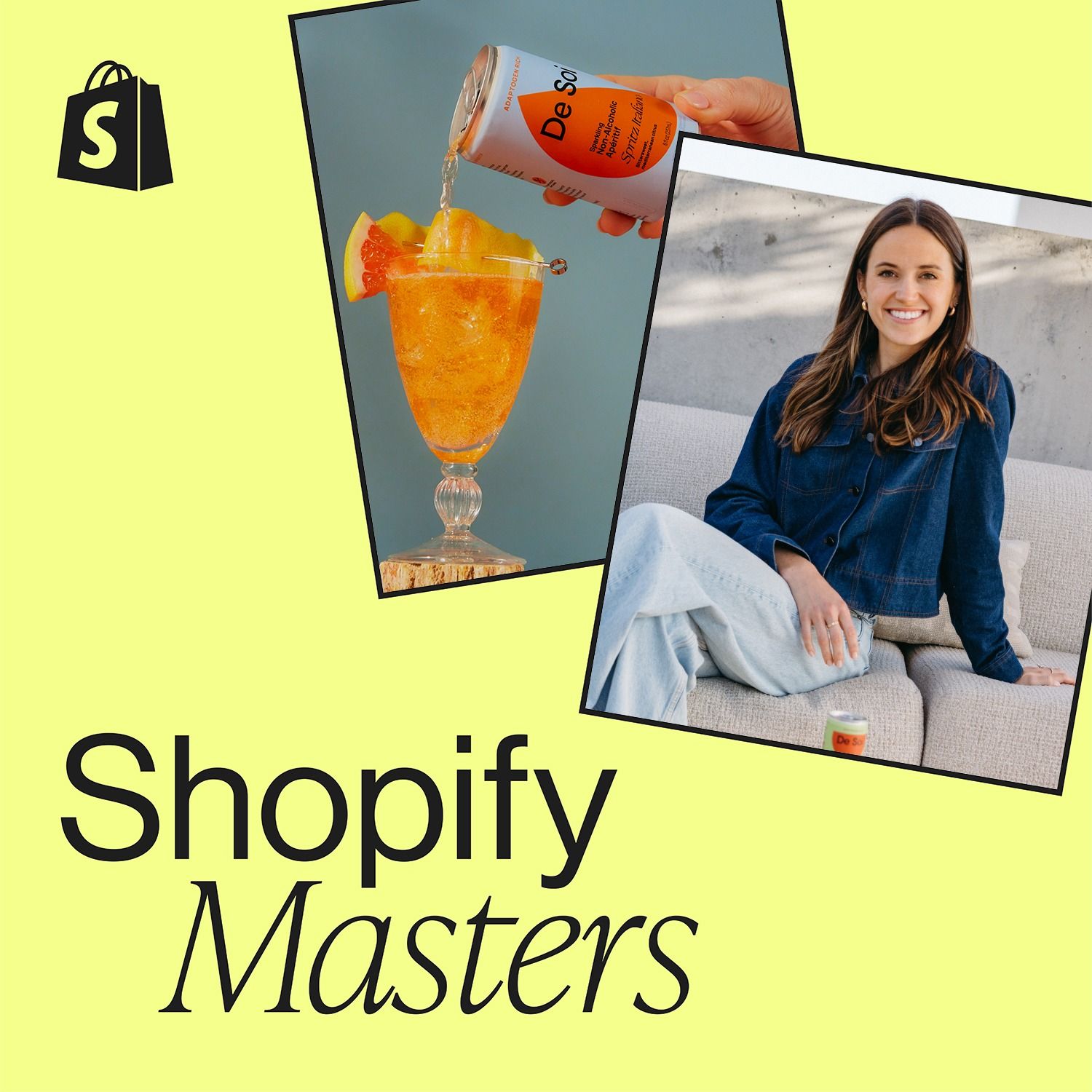
When De Soi launched, retailers and investors dismissed the non-alcoholic category. CEO Scout Brisson adopted a "not if, it's when" mindset, maintaining belief despite widespread skepticism. This conviction was essential for persevering until the market and major players like Target inevitably came around.
Related Insights
The risk-return profile for a beverage brand mirrors a venture-style investment: it requires significant capital with a high failure rate, but the few successes yield massive, multi-billion dollar outcomes. This differs from food or beauty, which offer more predictable, traditional private equity returns.

Prepared's founder faced 'no's' from customers, investors, and parents. He persisted not because he was trying to build a company, but because of a stubborn, personal passion to solve a problem—believing he could make things 'slightly better' even if he ultimately failed.

Getting too many "yeses" indicates your product is an incremental improvement within existing playbooks. True category creation involves pushing boundaries so far that you inevitably hear "no" from people who can't yet grasp the new paradigm. Rejection is a signal of innovation.

Instead of fearing beverage giants like Coca-Cola entering the functional soda space, Olipop's founder views it as a positive development. He sees their entry as an "honor" that provides massive validation for the category he created, proving its potential and longevity to the broader market.
To endure a multi-year build with constant self-doubt, the founder maintained a core belief: since the market need was proven and existing products were flawed, a better solution was physically possible. This framed the challenge as one of perseverance, not possibility.

When starting out, CDR Life had no intellectual property, data, or significant money. CEO Christian Leisner credits their success to the founding team's powerful and unwavering belief that they could succeed, which made finding a path forward a manageable challenge.

Palo Alto Networks pursued cloud cybersecurity when experts claimed no one would trust it. Founder Nir Zook saw this skepticism not as a warning, but as a sign of a wide-open market with a significant competitive moat if they could prove the doubters wrong.

Many marketers mistakenly start with the goal of creating a new category. However, a new category only emerges as a downstream consequence of a strong, existing demand that is poorly served by all current products. The demand must exist before a new category can be successfully established.

eSentire's founder cautions that being first isn't always an advantage. Pioneers bear the burden of educating customers who don't yet believe a problem exists. This requires immense persistence and surviving a slow period before the market catches up to the founder's vision.

For a spirit like Pisco, which is unfamiliar to most U.S. consumers, Suyo should focus marketing on its brand name first. The goal is for "Suyo" to become synonymous with Pisco, much like Patrón became for tequila, rather than trying to educate the market on the entire category.
