Get your free personalized podcast brief
We scan new podcasts and send you the top 5 insights daily.
Trump's re-election shatters the perception that his first term was an aberration. Allies now see his brand of foreign policy as a persistent feature of the American political landscape. Any future US administration, even a traditional one, will face deep skepticism as partners anticipate the pendulum could swing back.

Related Insights
Leaders from the UK, Canada, and Germany are visiting China not for substantive deals, but as a symbolic hedge against Trump's unpredictable foreign policy. These trips allow 'middle powers' to signal diplomatic independence and explore economic diversification, even though their primary security and trade relationships remain firmly with the United States.

Trump's 'America First' platform was not a random occurrence but a predictable backlash against the US establishment's post-Cold War excesses. Policies like 'hyper-globalization' and 'forever wars' created domestic discontent and a loss of faith in traditional foreign policy, which Trump successfully exploited.
The argument that "America has always been like this" is flawed. Figures who once appeared to be moderate have undergone a distinct shift in public behavior and ideology. This is not a repeat of Reagan or Bush-era politics but a new phenomenon affecting America's global standing and internal functions.

While Americans may become desensitized to a president's unconventional statements, allies like Australia do not see it as a joke. They interpret threats to treaty obligations as genuine disrespect and aggression, compelling them to develop independent defense strategies and fundamentally altering geopolitical relationships built over decades.
President Trump repeatedly takes actions that foreign policy experts predict will be catastrophic. When these gambles do not result in the worst-case scenario, it reinforces his unconventional approach in the public eye and erodes the credibility of traditional institutions and their warnings.
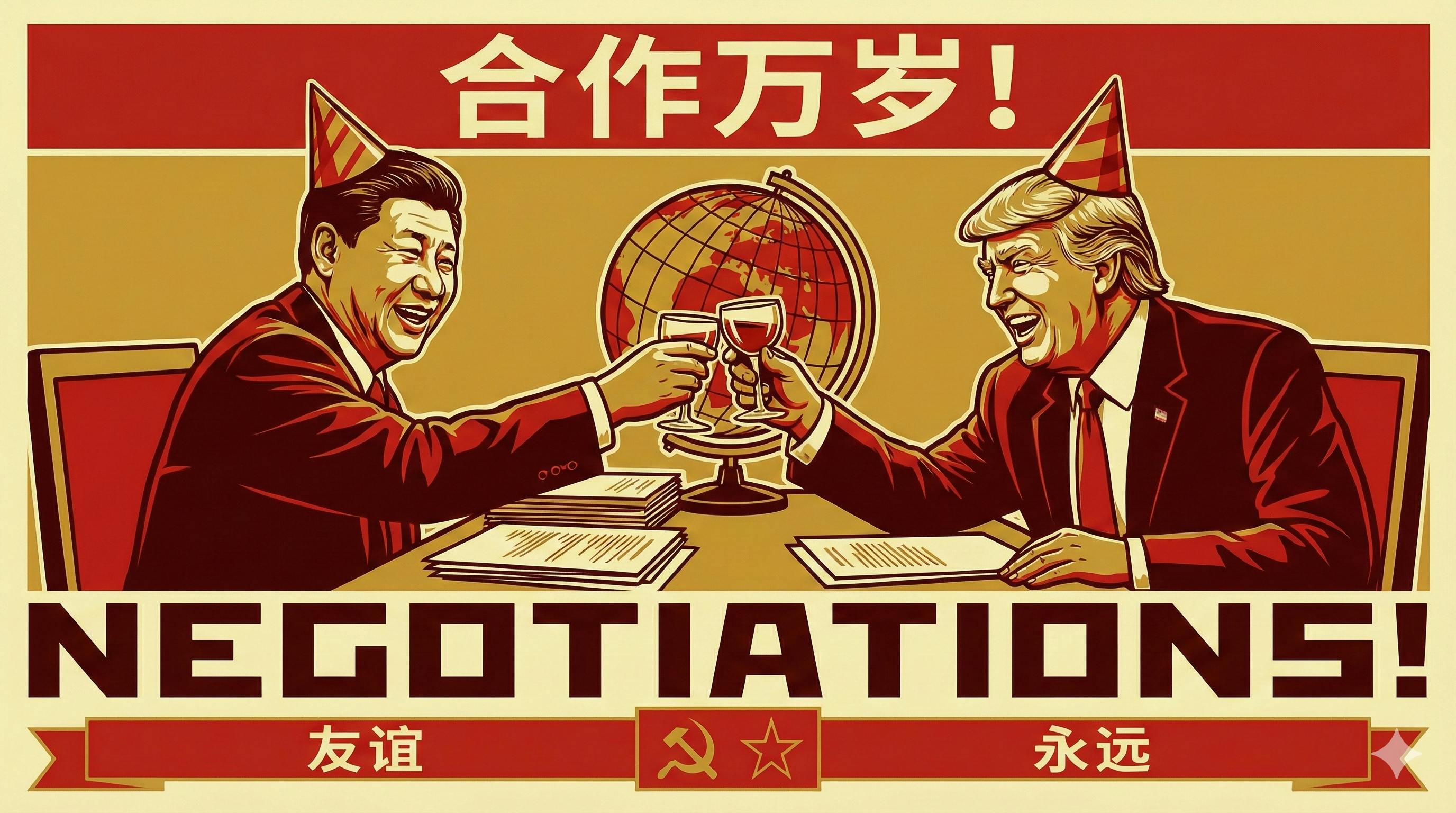
Trump's confrontational stance with allies isn't just chaos; it's a calculated strategy based on the reality that they have nowhere else to go. The U.S. can troll and pressure nations like Canada and European countries, knowing they won't realistically align with China, ultimately forcing them to increase their own defense commitments.

The long-standing Monroe Doctrine is being superseded by a "Trump Doctrine." This new worldview prioritizes hemispheric dominance, unilateralism, and proactive intervention for specific economic and security interests (e.g., controlling immigration, securing vital assets), fundamentally changing how America views its sphere of influence.
Stephen Walt defines Trump's foreign policy as 'predatory hegemony,' a unique strategy where a dominant power uses its leverage to extract concessions and tribute from everyone, including long-standing allies. This departs from traditional great power politics, which is typically predatory only toward rivals.
Even though President Trump backed down on tariffs over Greenland, the episode permanently eroded European trust in the U.S. as a reliable NATO partner. The erratic nature of the dispute raised serious questions about American dependability on more critical issues like Ukraine, suggesting long-term damage to the alliance.
The administration's aggressive, unilateral actions are pushing European nations toward strategic autonomy rather than cooperation. This alienates key partners and fundamentally undermines the 'Allied Scale' strategy of building a collective economic bloc to counter adversaries like China.
