Get your free personalized podcast brief
We scan new podcasts and send you the top 5 insights daily.
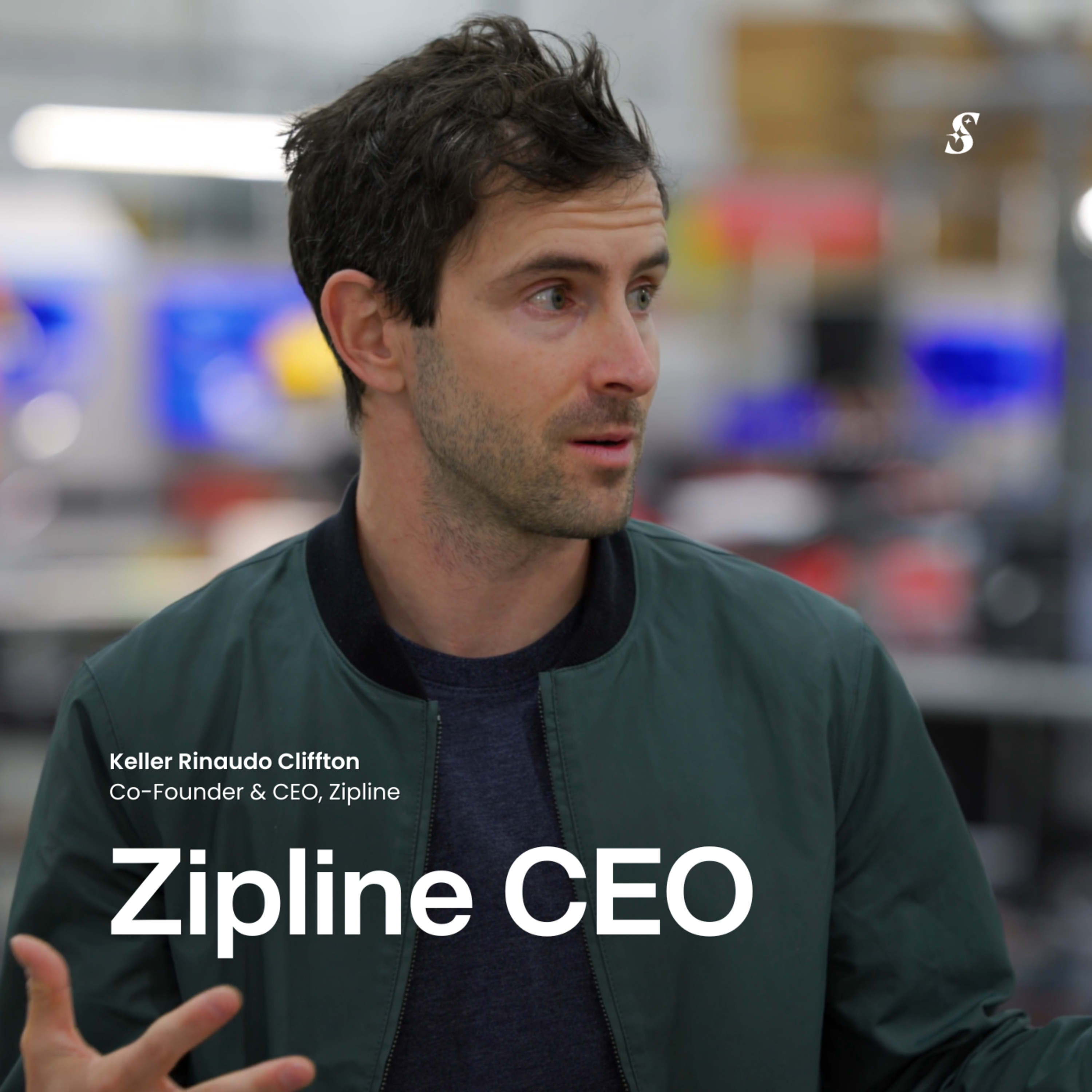
Zipline's journey highlights a mismatch between standard VC fund timelines (10-12 years) and the longer development cycles of "real-world tech" like robotics. Founders in these spaces must be prepared for a 15-20 year journey and communicate this reality to investors from the start.

Related Insights
Many hardware companies burn cash building "cool" tech in isolation, assuming use cases will follow. Zipline avoided this by launching the simplest possible paid product within a year. This forced them to learn and iterate based on real-world customer needs and operational challenges, not internal metrics.

Zipline, much like early Tesla or SpaceX, was never part of a broader investment "hype cycle." They spent a decade working on a contrarian idea that most investors thought was stupid. This obscurity allowed them to build with deep conviction, attracting only highly contrarian investors who believed in the long-term, inevitable vision.
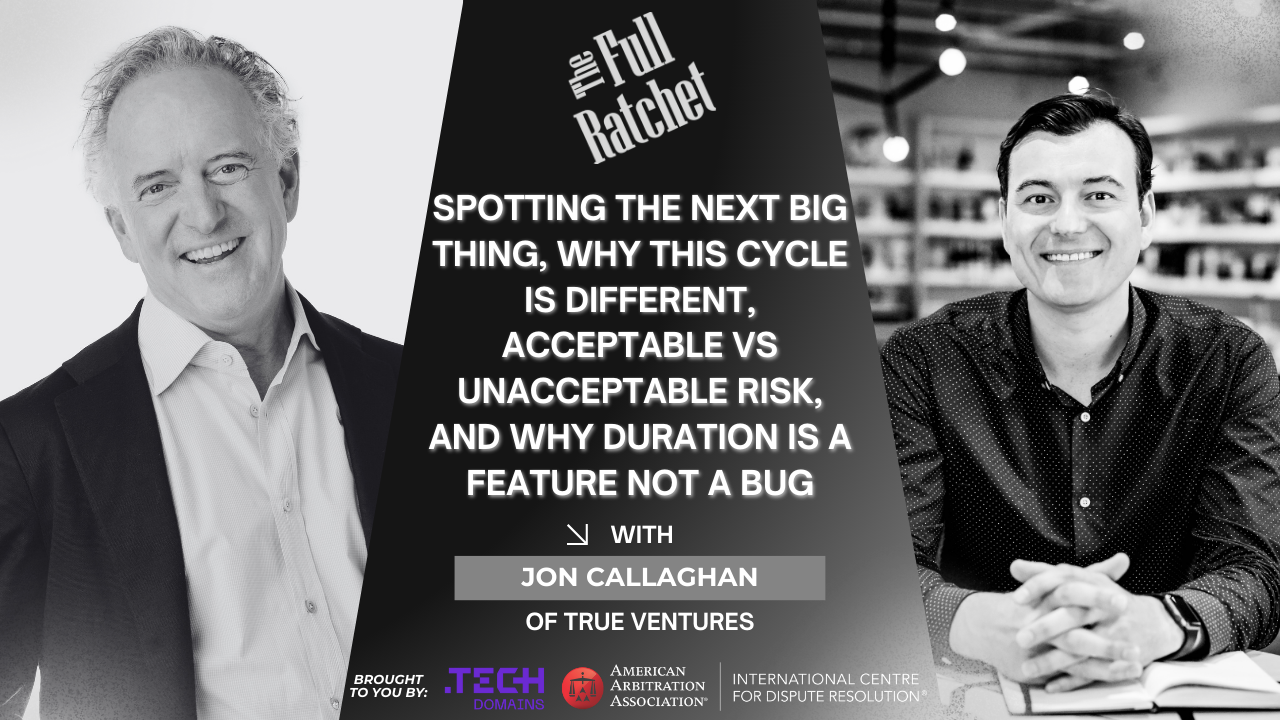
The biggest venture outcomes often take 8-10 years or more to mature. Instead of optimizing for quick IRR, early-stage VCs should embrace long holding periods. This "duration" is a feature that allows for massive value creation and aligns with building truly transformative companies, prioritizing multiples over short-term gains.
The founders initially focused on building the autonomous aircraft. They soon realized the vehicle was only 15% of the problem's complexity. The real challenge was creating the entire logistics ecosystem around it, from inventory and fulfillment software to new procedures for rural hospitals.

Unlike software, hard tech involves long scale-up timelines and high capital costs. Founders must specifically seek the small subset of investors and partners who understand the market context and have the risk appetite for massive, world-changing opportunities, rather than trying to appeal to all VCs.

To vet ambitious ideas like self-sailing cargo ships, first ask if they are an inevitable part of the world in 100 years. This filters for true long-term value. If the answer is yes, the next strategic challenge is to compress that timeline and build it within a 10-year venture cycle.

Companies pursuing revolutionary technologies like autonomous driving (Waymo) or VR (Reality Labs) must endure over a decade of massive capital burn before profitability. This affirms venture capital's core role in funding these long-term, high-risk, high-reward endeavors.
Moving from a science-focused research phase to building physical technology demonstrators is critical. The sooner a deep tech company does this, the faster it uncovers new real-world challenges, creates tangible proof for investors and customers, and fosters a culture of building, not just researching.

Companies tackling moonshots like autonomous vehicles (Waymo) or AGI (OpenAI) face a decade or more of massive capital burn before reaching profitability. Success depends as much on financial engineering to maintain capital flow as it does on technological breakthroughs.

For deep tech startups lacking traditional revenue metrics, the fundraising pitch should frame the market as inevitable if the technology works. This shifts the investor's bet from market validation to the team's ability to execute on a clear technical challenge, a more comfortable risk for specialized investors.
