Get your free personalized podcast brief
We scan new podcasts and send you the top 5 insights daily.
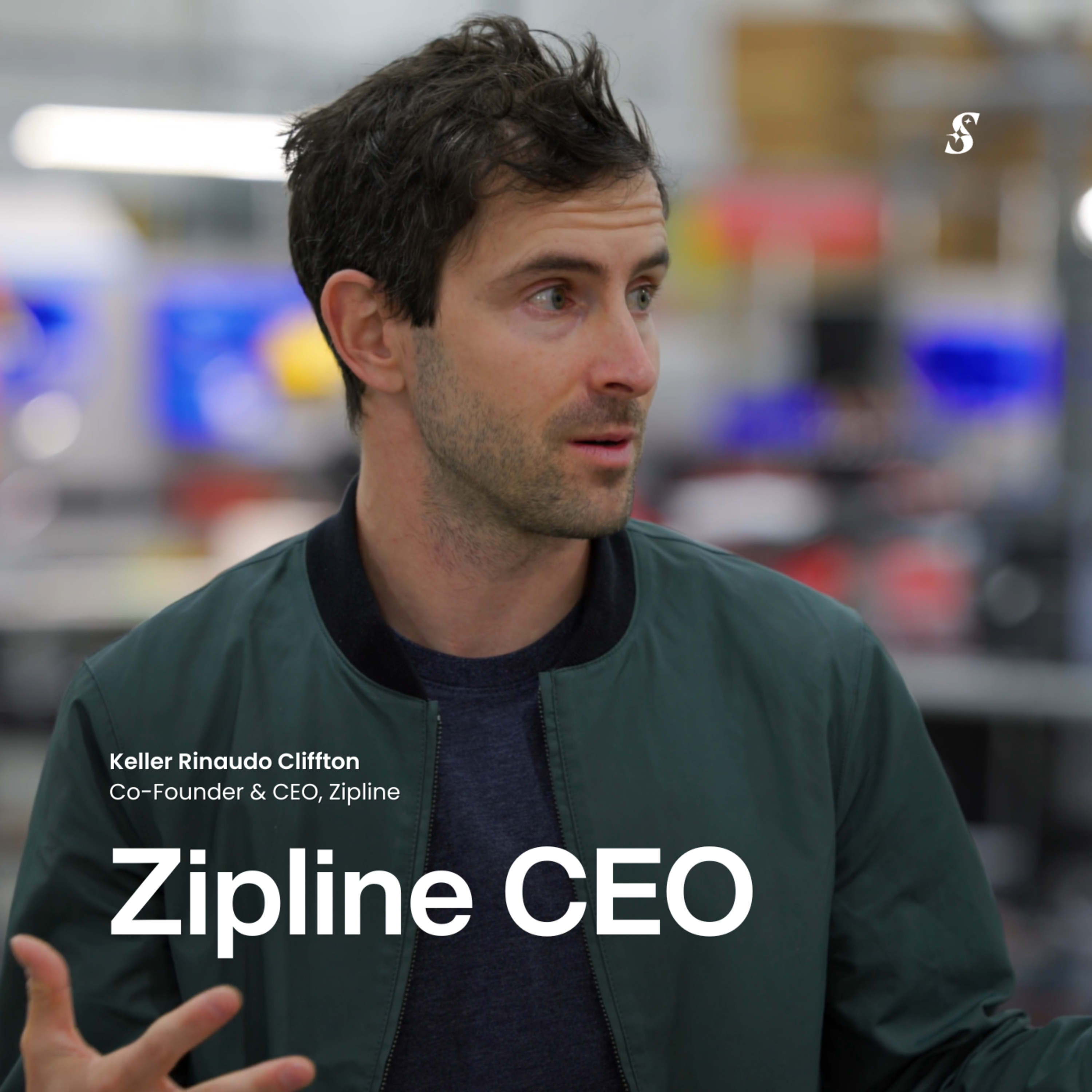
Zipline, much like early Tesla or SpaceX, was never part of a broader investment "hype cycle." They spent a decade working on a contrarian idea that most investors thought was stupid. This obscurity allowed them to build with deep conviction, attracting only highly contrarian investors who believed in the long-term, inevitable vision.
Related Insights
Focusing only on trendy sectors leads to intense competition where the vast majority of startups fail. True opportunity lies in contrarian ideas that others overlook or dismiss, as these markets have fewer competitors.

The most successful venture investors share two key traits: they originate investments from a first-principles or contrarian standpoint, and they possess the conviction to concentrate significant capital into their winning portfolio companies as they emerge.

During Ethic's long build phase before traction, the founder found it crucial to ignore external validation signals like other companies' funding announcements. The key to surviving this lonely period is a relentless daily focus on execution and solving customer problems, not chasing industry hype.

Against investor advice and industry trends favoring VTOL (vertical takeoff and landing) drones, Zipline opted for a fixed-wing airplane design. They realized their customers valued range above all else, and a simple airplane could fly 10-30x farther, solving the core problem more effectively.

The most significant companies are often founded long before their sector becomes a "hot" investment theme. For example, OpenAI was founded in 2015, years before AI became a dominant VC trend. Early-stage investors should actively resist popular memes and cycles, as they are typically trailing indicators of innovation.

Figma's market initially seemed too small to attract major VC interest or intense competition, giving them space to build a defensible product. Founders can gain a significant advantage by working in overlooked spaces, provided they have genuine passion to sustain them for a decade or more.

Analysis shows that the themes venture capitalists and media hype in any given year are significantly delayed. Breakout companies like OpenAI were founded years before their sector became a dominant trend, suggesting that investing in the current "hot" theme is a strategy for being late.
Success isn't linear. Mobile gaming giant Supercell didn't start with mobile games, and drone delivery firm ZipLine began with a robotic toy. This shows that foundational failures in one area can be the necessary learning experiences that lead to market-defining success in another.
When an idea is met with a "wall of skepticism" from investors, it can be a positive sign of a good, non-obvious market. If every VC immediately validates your idea, it's likely too obvious and crowded. Proving early skeptics wrong with traction is a powerful path to building a defensible business.

Legendary investors often succeed by making contrarian bets on ideas considered fringe. Peter Thiel became the first backer of DeepMind when AI was dismissed as 'sci-fi' by both the scientific and entrepreneurial communities, demonstrating a pattern of betting on unpopular but transformative technologies.
