Get your free personalized podcast brief
We scan new podcasts and send you the top 5 insights daily.
The recent wave of founders sharing negative stories about VCs is a cyclical trend tied to market conditions. In bull markets, founders have leverage and feel empowered to speak out. In bear markets, the focus shifts to survival, and public criticism subsides.

Related Insights
In a rising market, the investors taking the most risk generate the highest returns, making them appear brilliant. However, this same aggression ensures they will be hurt the most when the market turns. This dynamic creates a powerful incentive to increase risk-taking, often just before a downturn.

A long bull market can produce a generation of venture capitalists who have never experienced a downturn. This lack of cyclical perspective leads to flawed investment heuristics, such as ignoring valuation discipline, which are then painfully corrected when the market inevitably turns.

Matt Mullenweg notes that entrepreneurs inevitably cycle between being celebrated and vilified. Surviving this requires ignoring the noise and focusing on core principles and customers, recognizing even today's tech giants faced similar periods of extreme negative sentiment.

The abundance of capital has shifted the VC mindset from serving founders over a decade to simply "winning" the next hot deal. This transactional approach is misaligned with what founders truly need: a committed, long-term partner who puts the company first.

An estimated 60% of VCs harm their portfolio companies by pushing a 'burn at all costs' mentality or pretending to know how to run the business. The best VCs are humble connectors who link founders with people who have successfully navigated similar growth stages before.

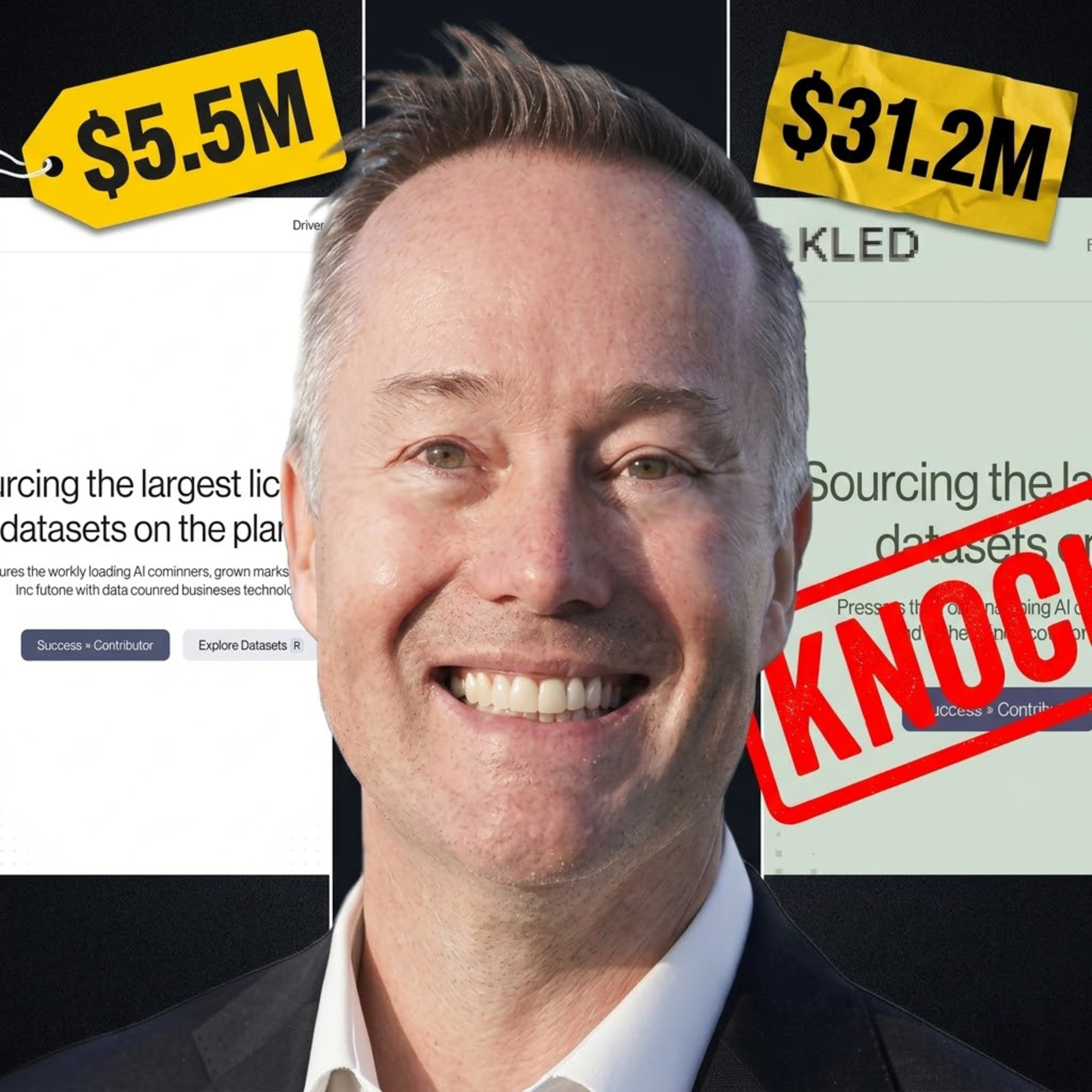
When Kled's founder publicly called out a competitor and their VC, his investors' initial reaction was fear, telling him to take the post down. However, after seeing the public support, they quickly reversed course and backed his aggressive stance.
VCs need massive 1000x returns from a few portfolio companies to offset many total losses, pressuring founders to pursue high-risk strategies. For a founder, whose life is their one company, this pressure can lead to failure when a more moderate, sustainable path might have succeeded.

Incidents of alleged founder misconduct, like lying about metrics and mistreating staff, are not isolated events. They are symptoms of a market bubble where excess capital fuels arrogance and unprofessional behavior, serving as a key warning sign for the wider industry.

Entrepreneurs in bull markets often misattribute success to skill alone. A market downturn reveals the true difficulty of business, humbling even the most confident founders and forcing a reassessment of strategies that previously seemed foolproof. True resilience is tested when market conditions change.

The viral "VC horror stories" trend conflates two different issues. A disrespectful pitch meeting is irrelevant, but a destructive board member is a real threat. Founders should spend their energy reference-checking for post-investment behavior, not complaining about bad meetings.
