Get your free personalized podcast brief
We scan new podcasts and send you the top 5 insights daily.
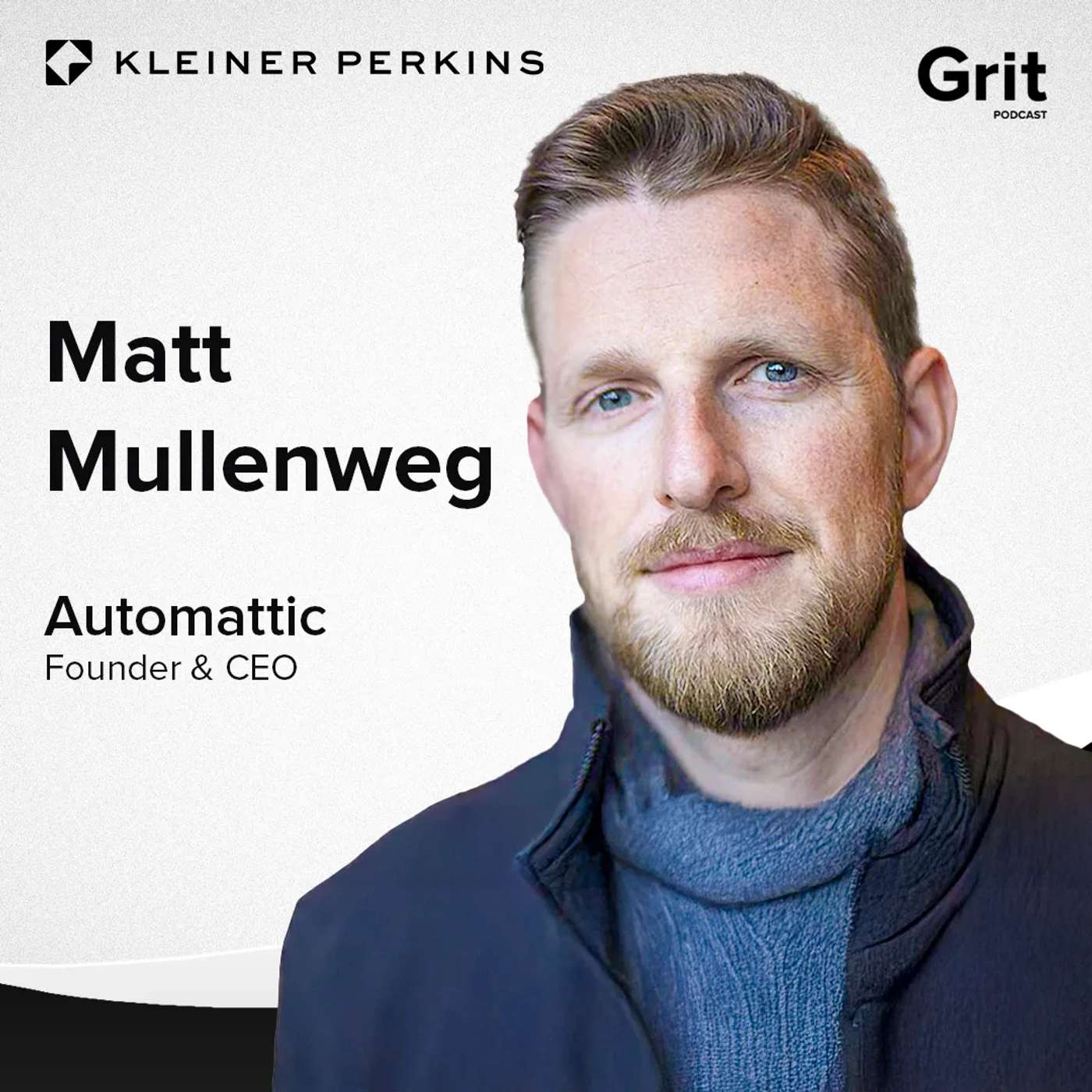
Matt Mullenweg notes that entrepreneurs inevitably cycle between being celebrated and vilified. Surviving this requires ignoring the noise and focusing on core principles and customers, recognizing even today's tech giants faced similar periods of extreme negative sentiment.
Related Insights
The most significant founder mistakes often arise from abandoning one's own judgment to do what is conventionally expected. Jason Fried notes that these errors feel worse because you aren't just failing, you're failing while trying to be someone else, which undermines the core identity of your company.

Tech culture, especially during hype cycles, glorifies high-risk, all-in bets. However, the most critical factor is often simply surviving long enough for your market timing to be right. Not losing is a precursor to winning. Don't make existential bets when endurance is the real key to success.

Facing a lawsuit that made him want to "walk away from everything," WordPress founder Matt Mullenweg took a short break. He discovered that being away from his life's mission—open source—was more painful than being attacked for it, which re-energized his commitment and provided clarity.
As entrepreneurs gain visibility, they face pressure to "stay in their lane." Criticism from strangers often leads them to present a polished, less authentic version of themselves, effectively allowing the public to dictate the boundaries of their brand and personality.

The intense, unreasonable passion that fuels hyper-growth is the same trait that can lead a founder to make reckless, company-threatening decisions. You can't have the creative genius without the potential for destructive behavior. The same person who clears the path can also blow everything up.

Trust can be destroyed in a single day, but rebuilding it is a multi-year process with no shortcuts. The primary driver of recovery is not a PR campaign but a consistent, long-term track record of shipping product and addressing user complaints. There are very few "spikes upward" in regaining brand trust.

Bumble's founder believes the initial, all-consuming obsession is critical for getting a startup off the ground. However, this same intensity becomes a liability as the company matures. Leaders must evolve and create distance to gain the perspective needed for long-term growth and to avoid stifling opportunity.
