Get your free personalized podcast brief
We scan new podcasts and send you the top 5 insights daily.
While Hong Kong's government plans big-ticket attractions to drive tourism spending, visitor data shows a different reality. Tourists, especially from mainland China, are spending less and embracing cheap, authentic experiences like the city's historic tram network.

Related Insights
Spirit's troubles highlight a broader market trend where budget-conscious consumers cut back while the wealthy splurge on luxury. This pattern, once confined to goods, is now evident in services like travel, signaling a potential risk for other budget-focused businesses and an opportunity for luxury brands.

Contrary to consensus, Hong Kong's property market recovery is not tied to China's struggling real estate sector. The key driver is a local policy change: scrapping stamp duties, which unleashed pent-up demand, particularly from mainland buyers whose market share jumped from 20% to 50%.

Western investors visiting emerging markets often invest in businesses they personally enjoy in affluent areas. This is a critical error, as these ventures aren't scalable to the broader local population with a much lower average income. The real opportunity lies in the mass market.

China's push for domestic consumption is creating a "tourism substitution" effect. Chinese travelers are increasingly opting for domestic destinations over international trips, driven by lower costs, enhanced safety, better local infrastructure, and a desire to avoid perceived discrimination abroad. This trend mirrors the country's broader industrial self-reliance strategy.

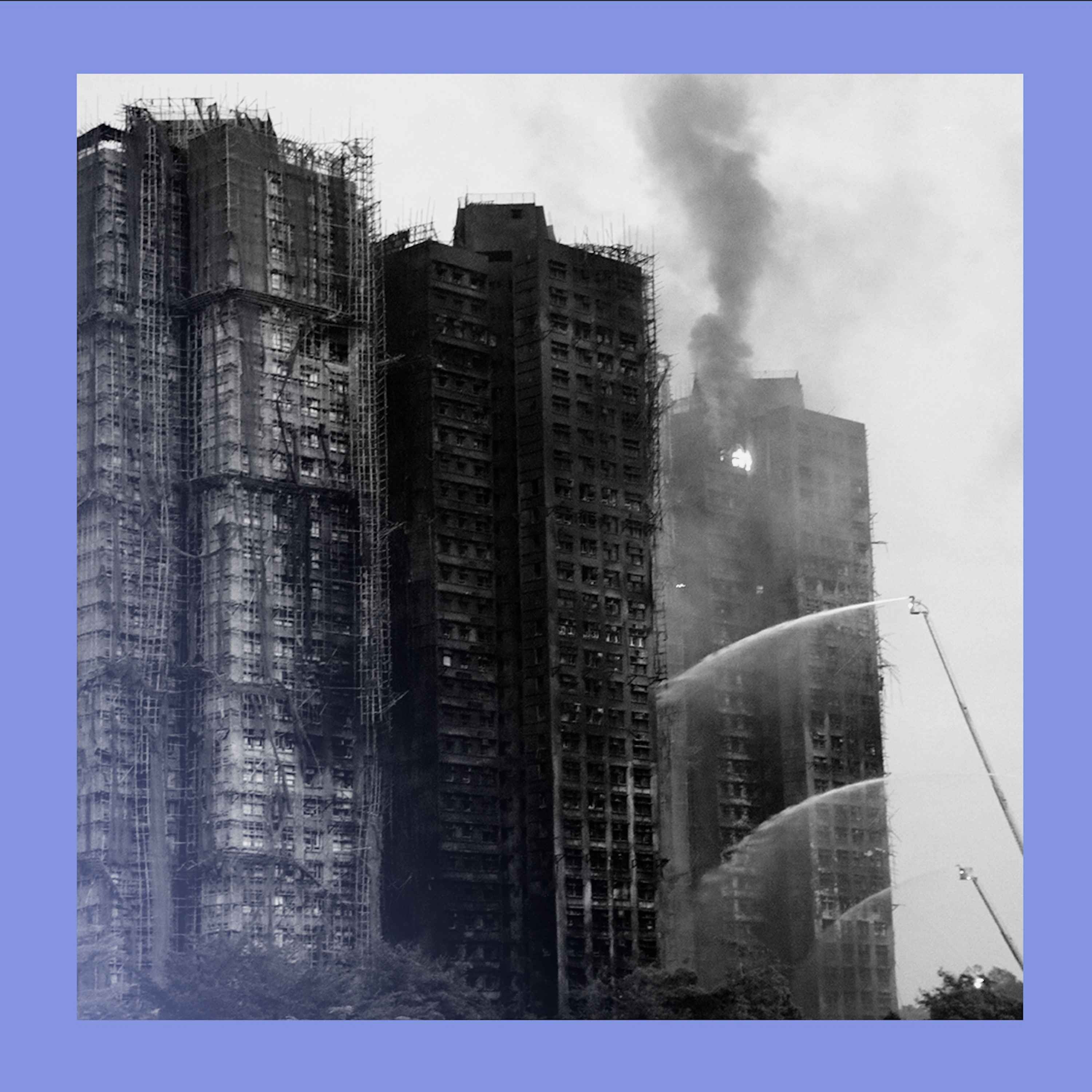
Hong Kong's leadership is leveraging aid from mainland China, such as a rescue task force, to showcase the benefits of closer ties with Beijing. This narrative strategically shifts focus away from local government accountability for the disaster and reinforces the mainland's growing influence over the city.
Policies like reviewing tourists' social media, framed as security measures, have a chilling effect on international travel. This directly harms major economic engines like Las Vegas, which rely heavily on foreign visitors. The obsession with manufacturing overlooks the high-margin, easily damaged tourism sector.

Consumer spending patterns in the gaming sector act as a canary in the coal mine for the economy. When consumers feel financial pressure, the first cutback is on destination travel like Las Vegas. A more severe warning sign of a pervasive downturn would be a subsequent decline in spending at local, regional casinos.

According to the Conference Board survey, the percentage of consumers planning a vacation (38.7%) has dropped to its lowest level in over 45 years, outside of periods during or immediately after a recession. This sharp decline in discretionary service spending is a significant red flag for the domestic travel and tourism industry.

Despite positioning itself as an international and diverse hub, Hong Kong's legislature rejected a same-sex partnership bill. This signals that aligning with Beijing's more conservative values now takes precedence over maintaining its reputation for openness, especially under the 'patriots' governing system.

By pursuing aspirational, "one-off" customers instead of focusing exclusively on the ultra-wealthy, the luxury travel sector is expanding into a fragile market segment. This strategy mirrors the over-expansion that made luxury goods brands vulnerable to economic downturns and brand dilution.