Get your free personalized podcast brief
We scan new podcasts and send you the top 5 insights daily.
Contrary to consensus, Hong Kong's property market recovery is not tied to China's struggling real estate sector. The key driver is a local policy change: scrapping stamp duties, which unleashed pent-up demand, particularly from mainland buyers whose market share jumped from 20% to 50%.

Related Insights
For the first time in nearly a decade, Hong Kong's residential, office, and retail property segments are all set to grow simultaneously. This rare, synchronized upturn indicates a broad-based and resilient market recovery, rather than a fragile, sector-specific rebound.
The Hong Kong property market is highly sensitive to global liquidity and capital flows. Its cyclical turns often foreshadow wider trends in macro sentiment across Asia, making it a key bellwether for international investors watching the region.
A 1994 reform shifted tax revenues to China's central government while leaving spending obligations at the local level. This created a structural deficit for municipalities, forcing them to rely on off-balance-sheet land lease auctions as their primary source of funding, which in turn fueled the property bubble.

The buy vs. rent calculation varies globally due to different mortgage market structures. The US preference for 30-year fixed rates keeps borrowing costs high, while Hong Kong's floating short-term rates can make buying cheaper. The decision depends as much on financial product structure as on rates.

The policy restricted developer borrowing to curb speculation but failed to address the core drivers: households' need for a savings vehicle and local governments' dependency on land sales for revenue. By attacking the intermediary, the policy caused a crisis without solving the fundamental problem.
In the late 1980s, facing a lack of capital, China began experimenting with Hong Kong's model of leasing state-owned land. This became the primary financing mechanism for local governments, especially after a 1994 tax reform limited their revenue, fueling decades of rapid urban development.
The widely reported collapse of China's housing market is not an organic crisis but a state-directed reallocation of capital. By instructing banks to prioritize industrial capacity over mortgages, the government is deliberately shifting funds away from a speculative real estate bubble and into strategic sectors like microchips to counter US sanctions and build self-sufficiency.

Due to financial repression and a lack of viable investment alternatives, Chinese households rationally pour savings into property, often leaving them vacant. This creates an affordability crisis for those needing a home, alongside a massive inventory of empty apartments held as investments.
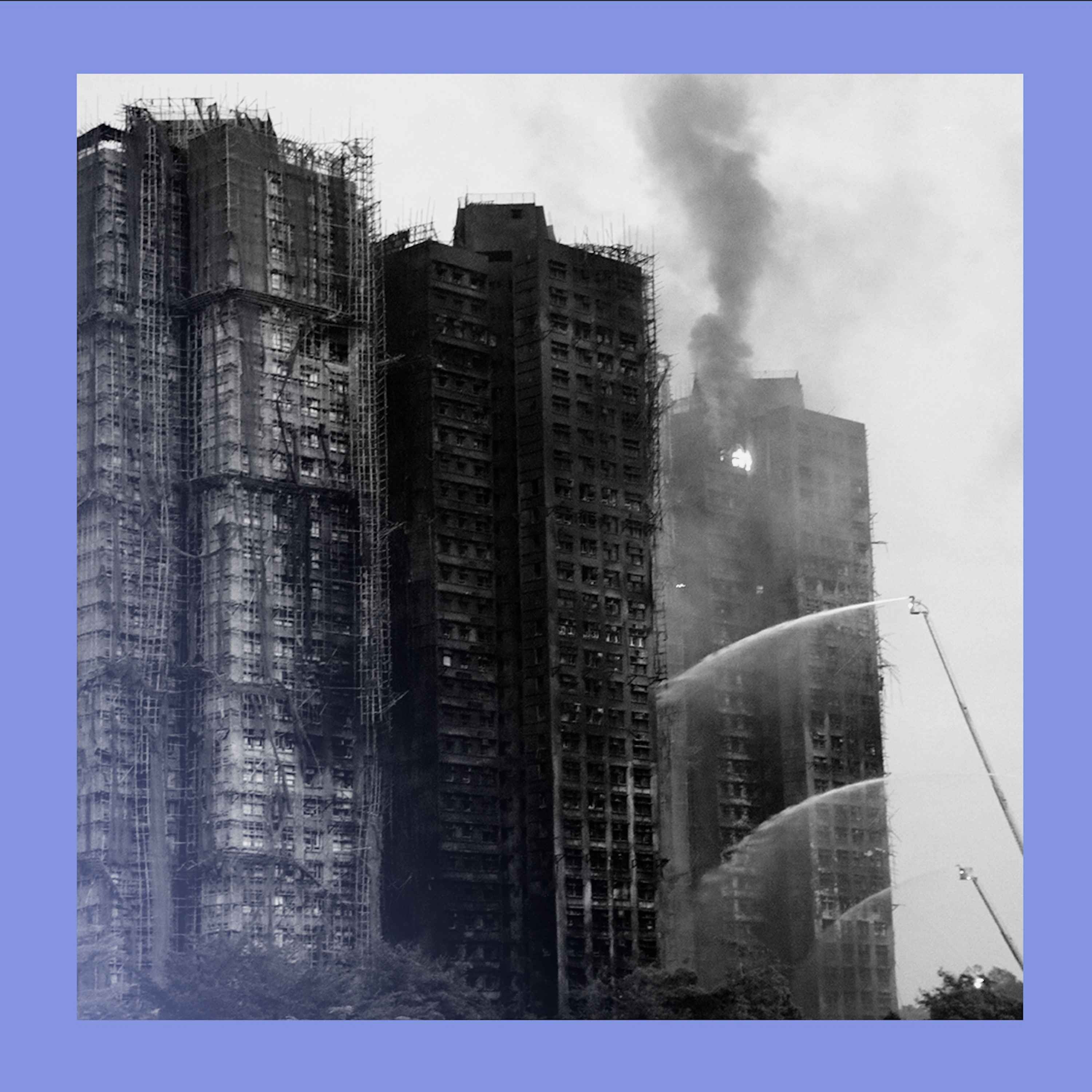
Major housing policy overhauls in Hong Kong are rarely proactive, but rather reactions to large-scale tragedies. The city's entire public housing program, for example, was created in response to a devastating 1953 fire. This historical precedent suggests the recent deadly blaze is likely to force similar systemic safety and building regulation reforms.
While local policies like zoning are often blamed for housing crises, the problem's prevalence across vastly different economies and regulatory environments suggests it's a global phenomenon. This points to systemic drivers beyond local supply constraints, such as global capital flows into real estate.