Get your free personalized podcast brief
We scan new podcasts and send you the top 5 insights daily.
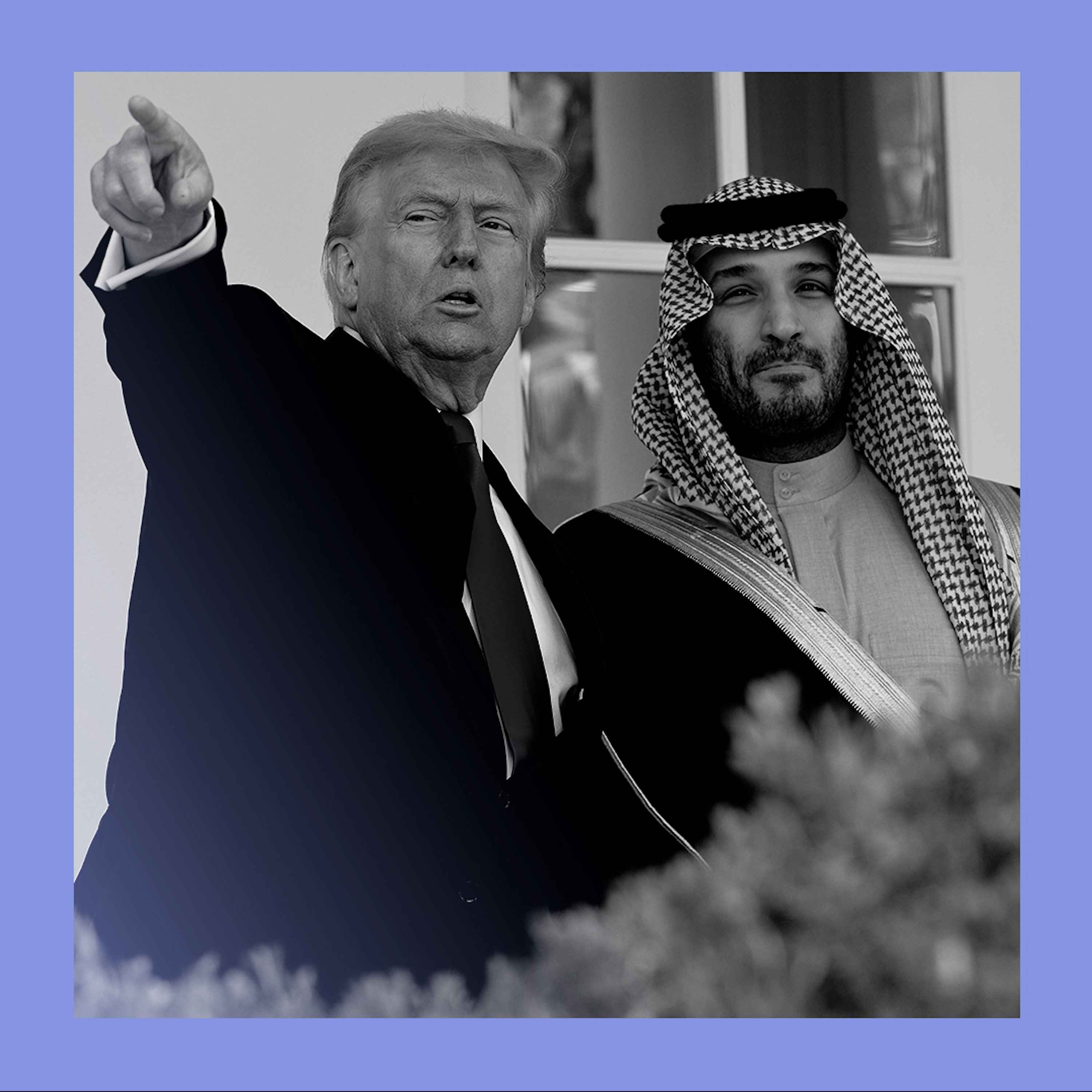
Despite positioning itself as an international and diverse hub, Hong Kong's legislature rejected a same-sex partnership bill. This signals that aligning with Beijing's more conservative values now takes precedence over maintaining its reputation for openness, especially under the 'patriots' governing system.
Related Insights
Mayor Daniel Lurie explicitly states his administration has ended the city's long-standing "live and let live" approach to public disorder. This marks a significant policy and cultural shift, prioritizing public safety and quality of life through stricter enforcement over passive tolerance, reflecting a broader trend in liberal cities.

China's narrative of national success is contradicted by a significant diaspora of its citizens—from millionaires and creatives to ordinary workers. This flight of human capital seeking stability and freedom abroad signals a fundamental precariousness within the authoritarian system that pure economic growth cannot solve.
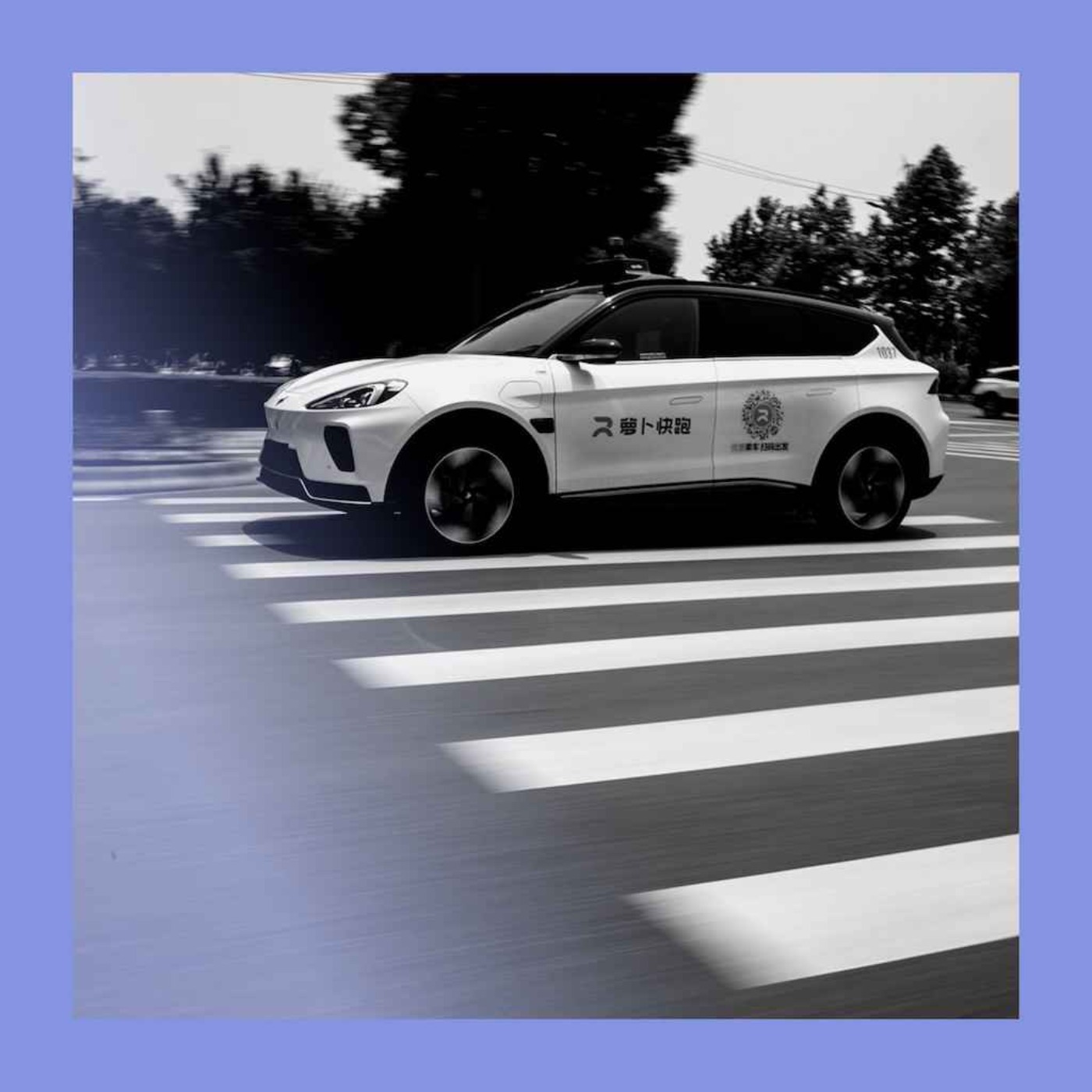
Contrary to perceptions of rigid control, China accelerates tech progress by empowering local regulators to be agile. These regulators create urban "test beds" for technologies like autonomous taxis, which entices talent and investment, turbocharging development cycles far ahead of Western counterparts.
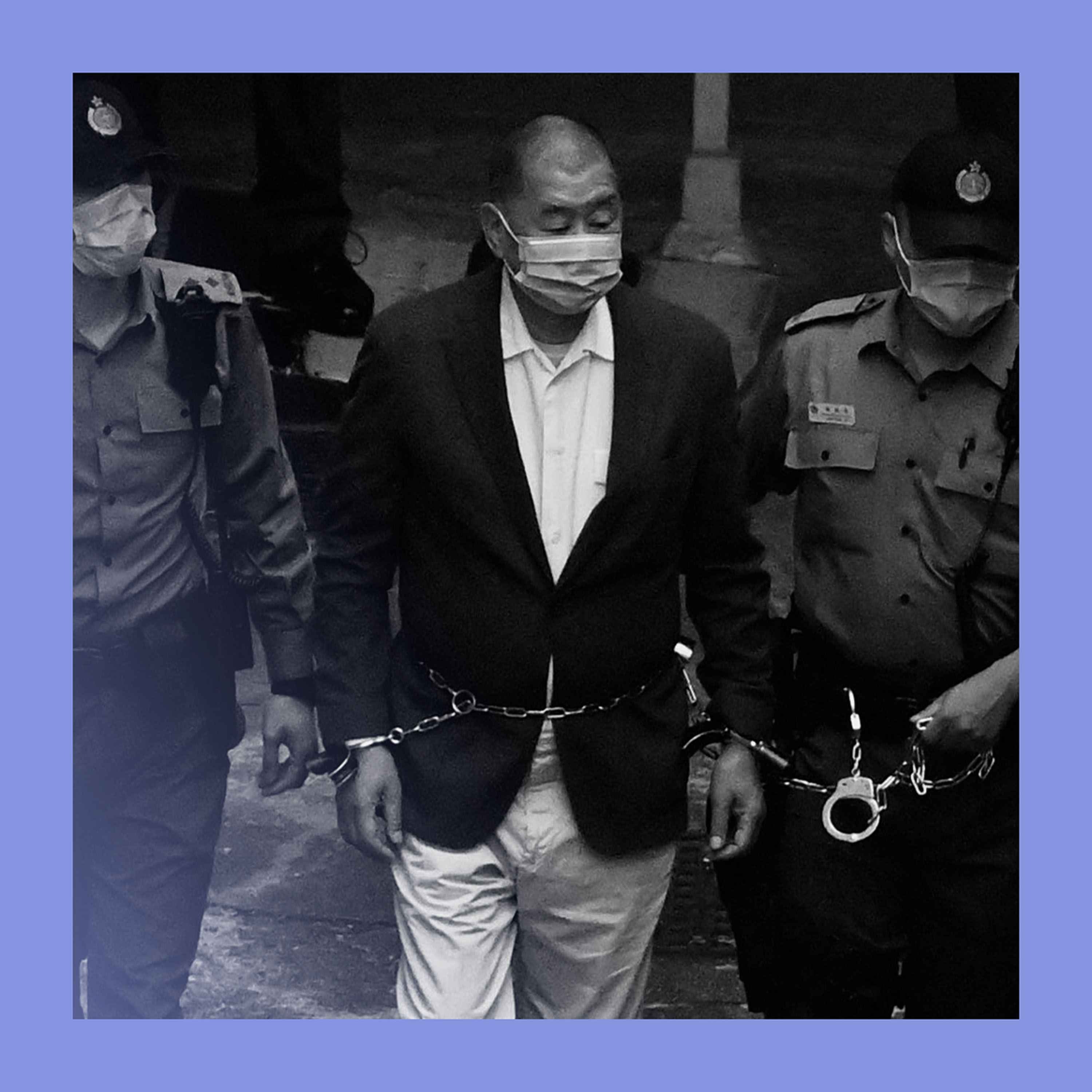
The conviction of media mogul Jimmy Lai underscores the sweeping power of the 2020 national security law imposed by Beijing. This legislation has fundamentally altered Hong Kong's legal system, with an expected 95% of cases ending in conviction, effectively creating a legal apparatus for silencing dissent.
Contrary to the perception of Taiwan as uniformly pro-independence, its government is politically divided. While the prime minister is pro-independence, the parliament is controlled by the KMT party, which now advocates for reunification with mainland China, creating an internal political avenue for Beijing's influence.
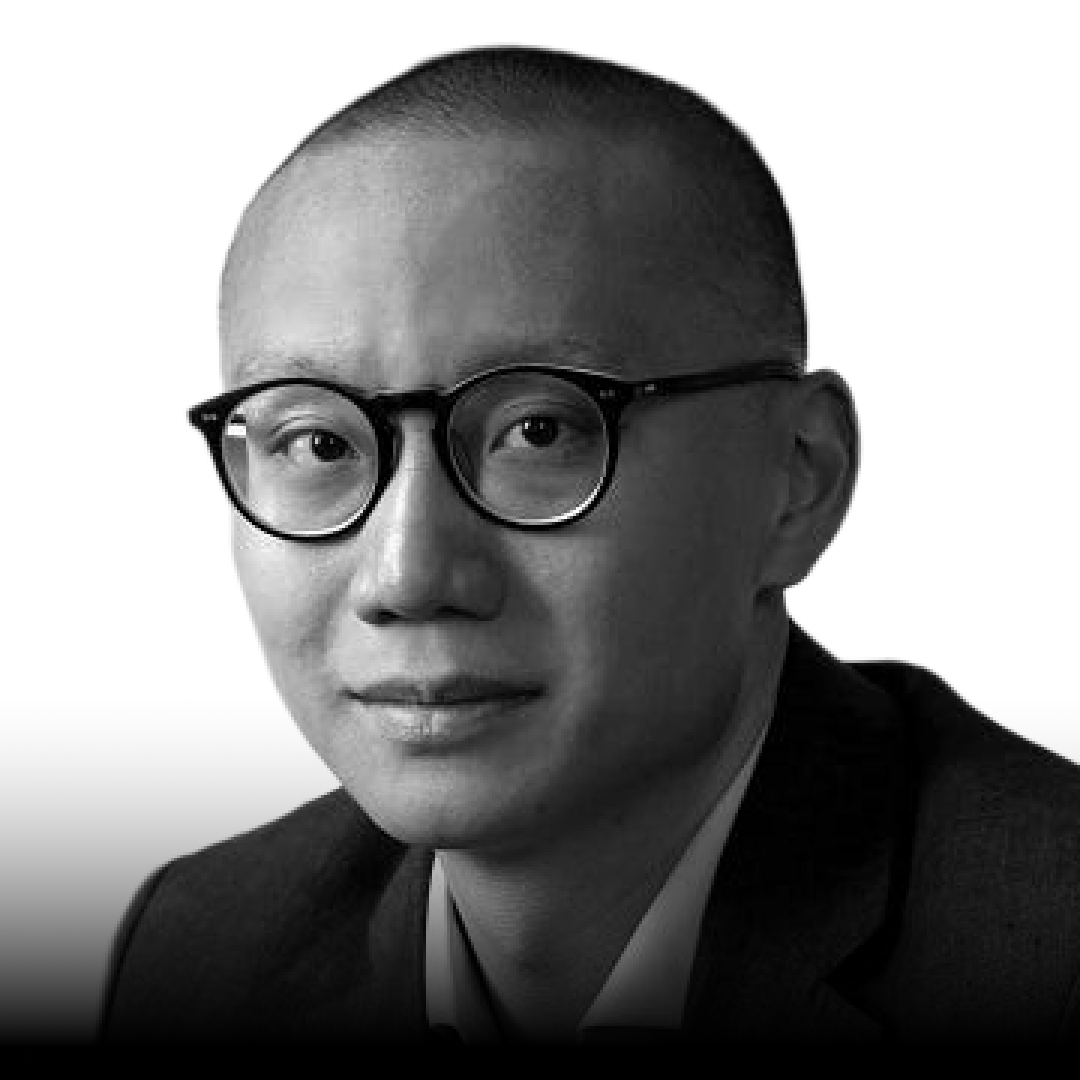
China's "engineering state" mindset extends beyond physical projects to social engineering. The Communist Party treats its own people as a resource to be moved or molded—whether displacing a million for a dam or enforcing the one-child policy—viewing society as just another material to achieve its objectives.
![Dan Wang - The US vs China In The 21st Century - [Invest Like the Best, EP.444] thumbnail](https://megaphone.imgix.net/podcasts/e1599a88-a9f6-11f0-b532-e3695bb27d60/image/0f5c07552cef2689e5834d56786ad6f1.jpg?ixlib=rails-4.3.1&max-w=3000&max-h=3000&fit=crop&auto=format,compress)
China's strategy for Taiwan likely mirrors its 2019 Hong Kong takeover. Instead of a direct military assault, Beijing will use political influence, espionage, and legislative changes to create administrative bridges, making any physical resistance illegal before troops ever move in.
Unlike pragmatic predecessors, Xi Jinping operates from a quasi-religious belief that China is divinely intended to be the "middle kingdom"—the world's dominant power. This ideological North Star explains his confrontational approach to geopolitics, even when it seems economically irrational.
The global response to Jimmy Lai's conviction is more subdued than in previous years. Western leaders who once advocated for his release are now prioritizing trade deals and diplomatic engagement with China, showing how immediate economic interests can override and mute stated human rights concerns.
In a clear signal of its pro-natalist policy, the Chinese government is ending a 33-year tax exemption on contraceptives while simultaneously making matchmaking services tax-free. This carrot-and-stick approach aims to socially engineer a higher birth rate to combat its demographic crisis.
