Get your free personalized podcast brief
We scan new podcasts and send you the top 5 insights daily.
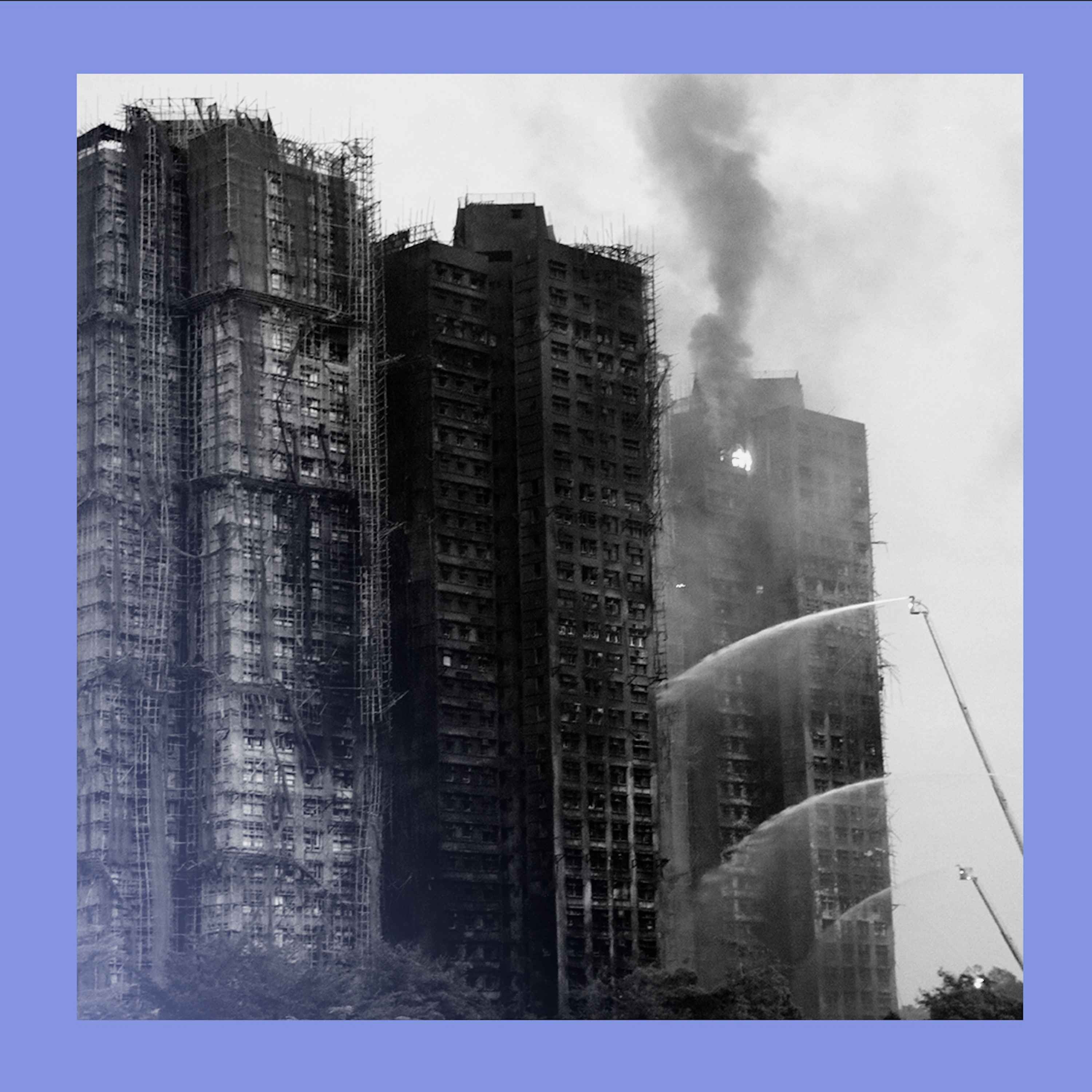
Hong Kong's leadership is leveraging aid from mainland China, such as a rescue task force, to showcase the benefits of closer ties with Beijing. This narrative strategically shifts focus away from local government accountability for the disaster and reinforces the mainland's growing influence over the city.
Related Insights
By framing competition with China as an existential threat, tech leaders create urgency and justification for government intervention like subsidies or favorable trade policies. This transforms a commercial request for financial support into a matter of national security, making it more compelling for policymakers.

The official focus on bamboo scaffolding after a deadly fire may be a political pretext to phase out a traditional industry with a strong, union-like guild. This would allow mainland-controlled firms to take over, despite evidence that much of the bamboo scaffolding survived the blaze intact.
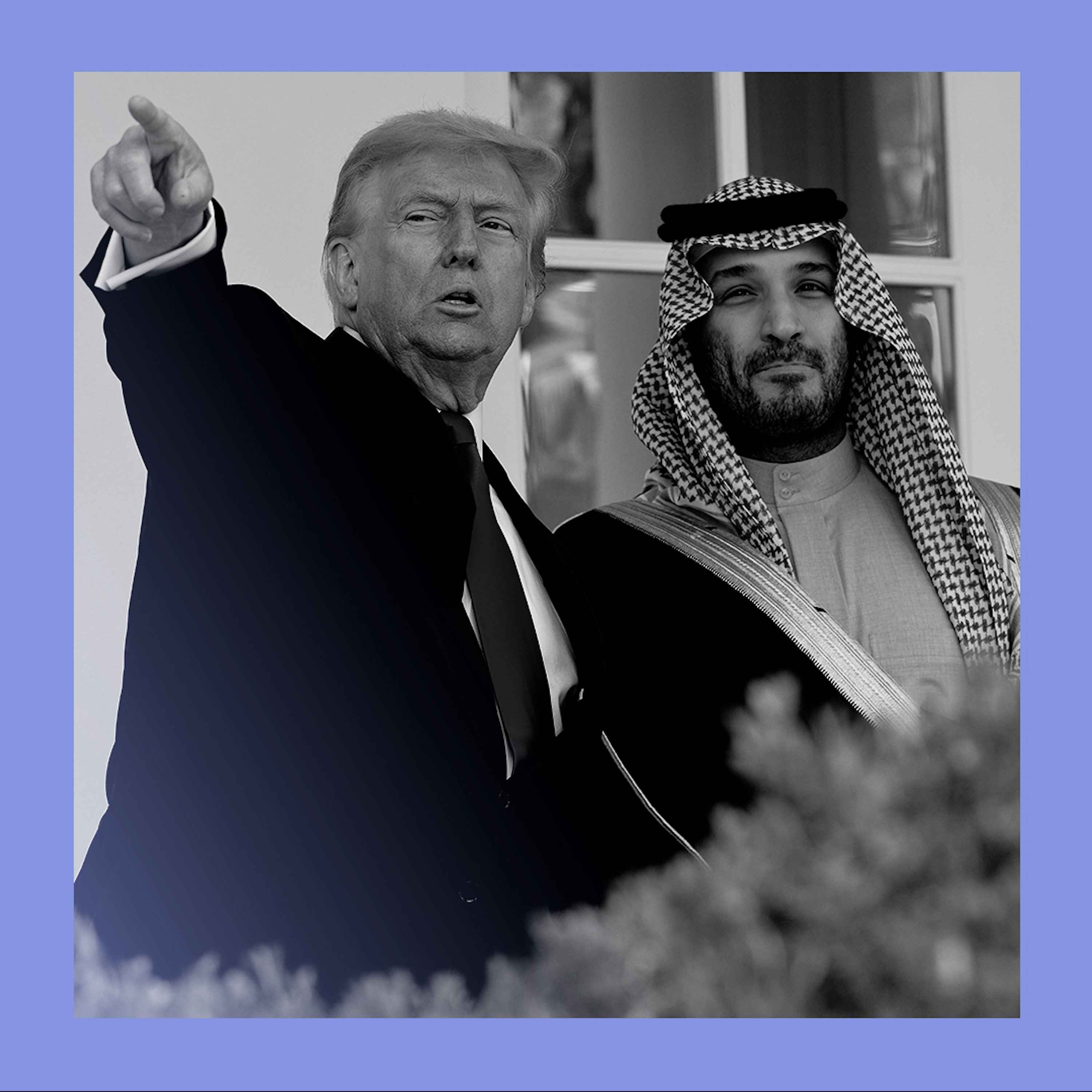
A massive foreign investment package is not just an economic transaction; it's a strategic tool. By embedding itself in a nation's economy through land and real estate, a foreign power buys political leverage and can subtly shape policy to its own advantage, corrupting the country from within.

China's constant building of subways, high-speed rail, and parks provides tangible proof of national improvement. This "physical dynamism" creates a powerful sense of public optimism and builds political resilience for the Communist Party, a stark contrast to the stagnation felt in the U.S.

Contrary to the perception of Taiwan as uniformly pro-independence, its government is politically divided. While the prime minister is pro-independence, the parliament is controlled by the KMT party, which now advocates for reunification with mainland China, creating an internal political avenue for Beijing's influence.

China's "engineering state" mindset extends beyond physical projects to social engineering. The Communist Party treats its own people as a resource to be moved or molded—whether displacing a million for a dam or enforcing the one-child policy—viewing society as just another material to achieve its objectives.
![Dan Wang - The US vs China In The 21st Century - [Invest Like the Best, EP.444] thumbnail](https://megaphone.imgix.net/podcasts/e1599a88-a9f6-11f0-b532-e3695bb27d60/image/0f5c07552cef2689e5834d56786ad6f1.jpg?ixlib=rails-4.3.1&max-w=3000&max-h=3000&fit=crop&auto=format,compress)
In the late 1980s, facing a lack of capital, China began experimenting with Hong Kong's model of leasing state-owned land. This became the primary financing mechanism for local governments, especially after a 1994 tax reform limited their revenue, fueling decades of rapid urban development.

China's strategy for Taiwan likely mirrors its 2019 Hong Kong takeover. Instead of a direct military assault, Beijing will use political influence, espionage, and legislative changes to create administrative bridges, making any physical resistance illegal before troops ever move in.
Despite positioning itself as an international and diverse hub, Hong Kong's legislature rejected a same-sex partnership bill. This signals that aligning with Beijing's more conservative values now takes precedence over maintaining its reputation for openness, especially under the 'patriots' governing system.
Major housing policy overhauls in Hong Kong are rarely proactive, but rather reactions to large-scale tragedies. The city's entire public housing program, for example, was created in response to a devastating 1953 fire. This historical precedent suggests the recent deadly blaze is likely to force similar systemic safety and building regulation reforms.