Get your free personalized podcast brief
We scan new podcasts and send you the top 5 insights daily.
According to a former U.S. negotiator, Nicolás Maduro's personality is a key factor in diplomacy. His thin skin and brittle ego mean he will reject any proposal, even a beneficial one, if he perceives it as being forced upon him, making traditional pressure tactics ineffective.

Related Insights
A former NSC official reflects that the U.S. missed a key window of opportunity after Hugo Chavez's death. By choosing to "manage" the situation rather than applying strong pressure on a then-unpopular Nicolas Maduro, the U.S. lost a chance to shape a different outcome.
According to Maria Corina Machado, Nicolás Maduro's rise to power was not an internal decision but a direct choice by the Cuban government. Having been trained in Cuba and demonstrating total loyalty to the Castro regime, Maduro was selected to ensure Cuba's continued influence and control over Venezuela.

If you derive your sense of self from the outcome of a negotiation or conflict, you will inevitably become self-protective, killing creativity. True effectiveness comes from entering a situation with a secure, pre-existing identity that remains intact regardless of the result.
The Trump administration is depicted as ignoring Venezuela's legitimately elected opposition leader and instead choosing to work with the former vice president. This suggests a strategy prioritizing controllable stability with a regime figure over supporting a democratically elected but potentially less predictable leader.
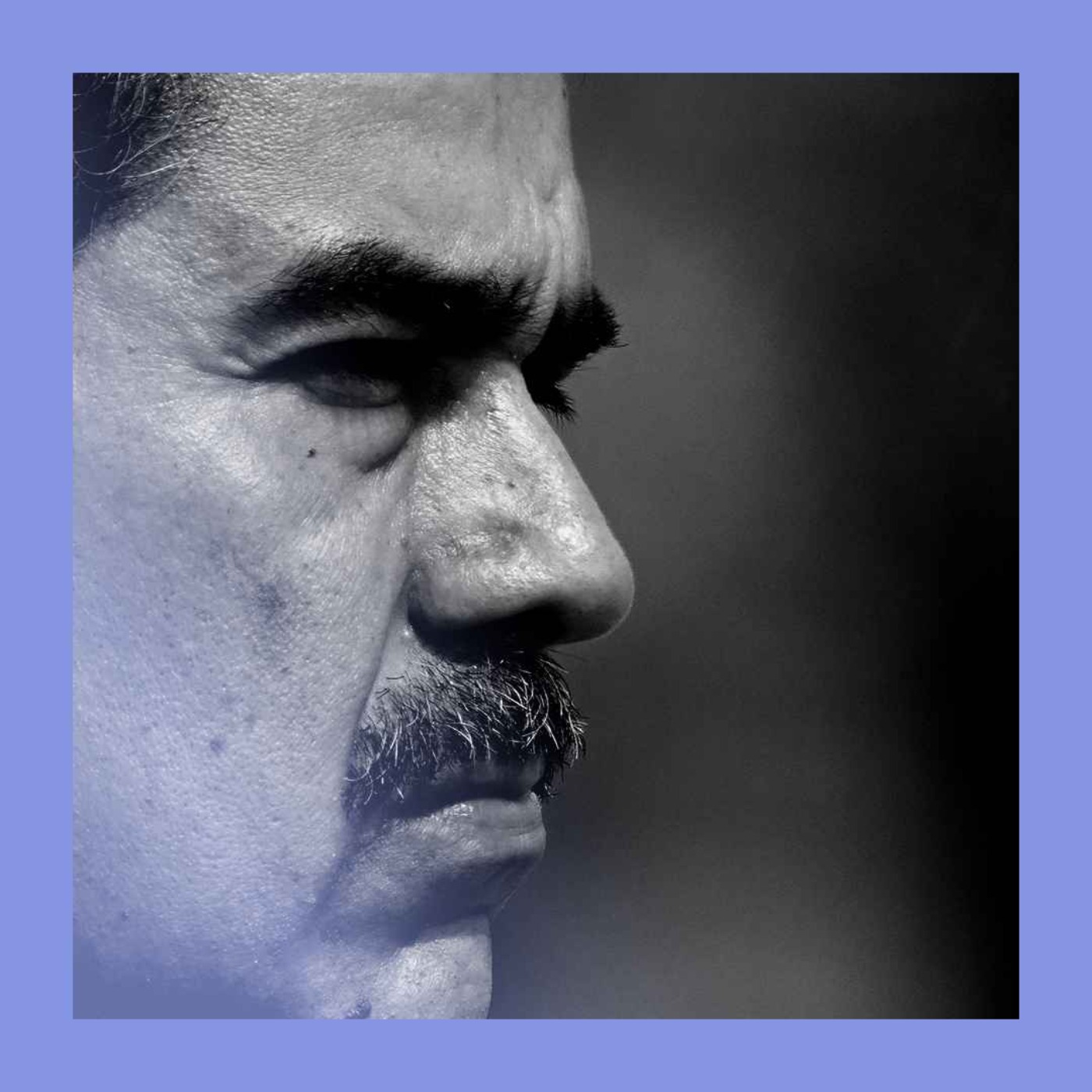
Authoritarian leaders who publicly mock or dismiss threats risk triggering a military response driven by personal pride. Venezuelan President Maduro's televised dancing was reportedly perceived by the Trump administration as calling their bluff, demonstrating how avoiding the appearance of being a 'chump' can become a primary motivator for military action.
To predict a leader's actions, disregard their words and even individual actions. Instead, focus on their consistent, long-term pattern of behavior. For Putin, the pattern is using negotiations as a stalling tactic to advance a fixed agenda, making him an unreliable partner for peace deals based on stated intentions.

Venezuela's remaining leadership can adopt a strategy of "playing for time." By appearing cooperative while delaying substantive changes, they can wait for events like the US midterms to increase domestic political pressure on the administration, making sustained intervention unpopular and difficult to maintain. The weaker state's best defense is the superpower's internal clock.
The US action to remove Maduro was not a traditional regime change. The goal was to eliminate the leader personally while leaving his party and government apparatus largely intact, suggesting a strategic choice to avoid the instability of a full power vacuum.

Interim President Delcy Rodriguez's authority stems from her unique ability to engage with international actors like the U.S., a skill her powerful military rivals lack. This makes her both indispensable and vulnerable within the regime.
Leaked communications reveal a conscious strategy to manipulate Donald Trump in negotiations. By advising Russian counterparts to begin calls by praising Trump's past deals, negotiators like Witkoff leverage his psychological vulnerabilities to steer conversations toward a favorable outcome.
