Get your free personalized podcast brief
We scan new podcasts and send you the top 5 insights daily.
A former NSC official reflects that the U.S. missed a key window of opportunity after Hugo Chavez's death. By choosing to "manage" the situation rather than applying strong pressure on a then-unpopular Nicolas Maduro, the U.S. lost a chance to shape a different outcome.

Related Insights
A former NSC official, despite decades of experience, was "blown away" by the U.S. special forces operation to capture Maduro. He had previously concluded such a raid in a dense, hostile urban environment was too risky, underscoring the exceptional capabilities of U.S. forces.
According to Maria Corina Machado, Nicolás Maduro's rise to power was not an internal decision but a direct choice by the Cuban government. Having been trained in Cuba and demonstrating total loyalty to the Castro regime, Maduro was selected to ensure Cuba's continued influence and control over Venezuela.
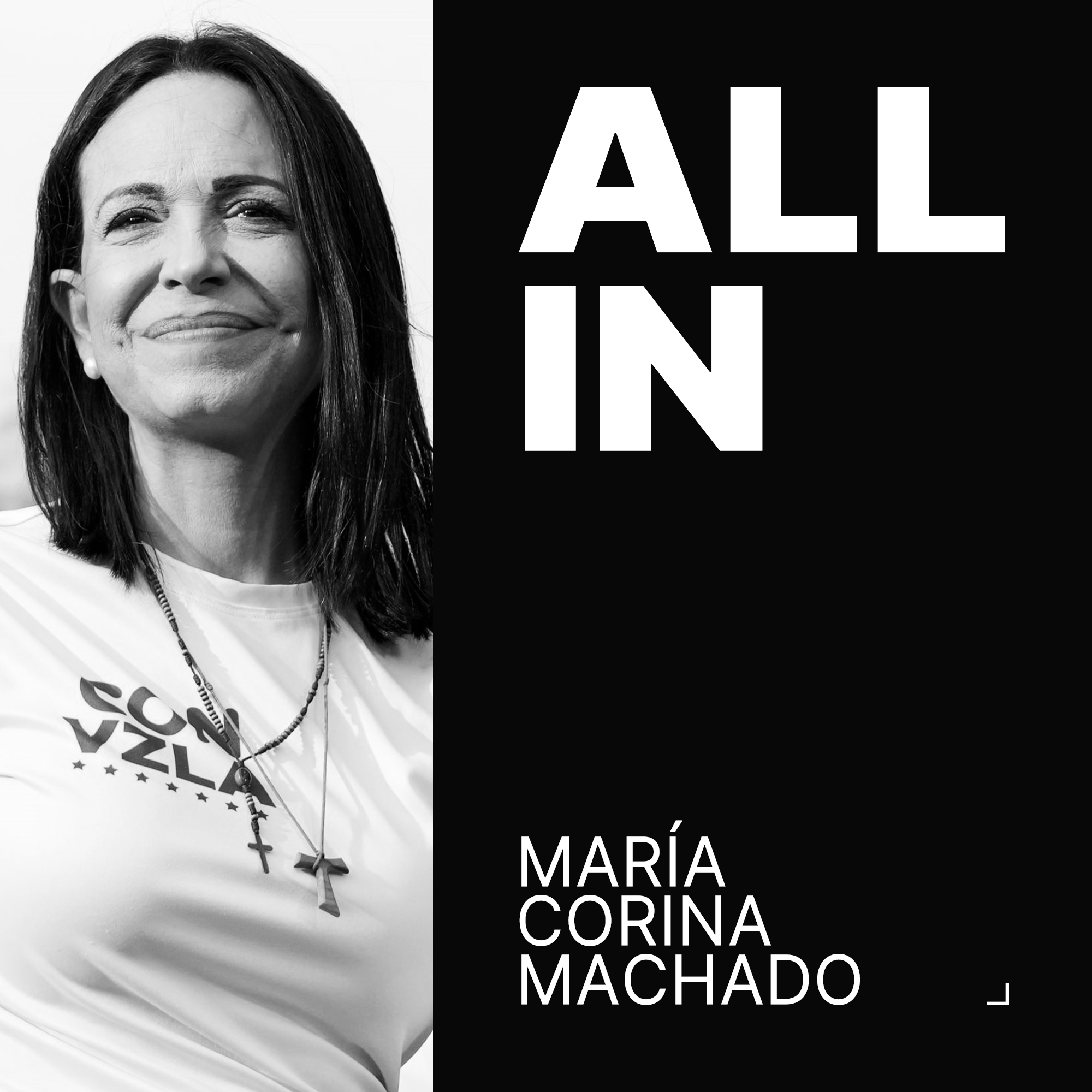
The Trump administration is depicted as ignoring Venezuela's legitimately elected opposition leader and instead choosing to work with the former vice president. This suggests a strategy prioritizing controllable stability with a regime figure over supporting a democratically elected but potentially less predictable leader.
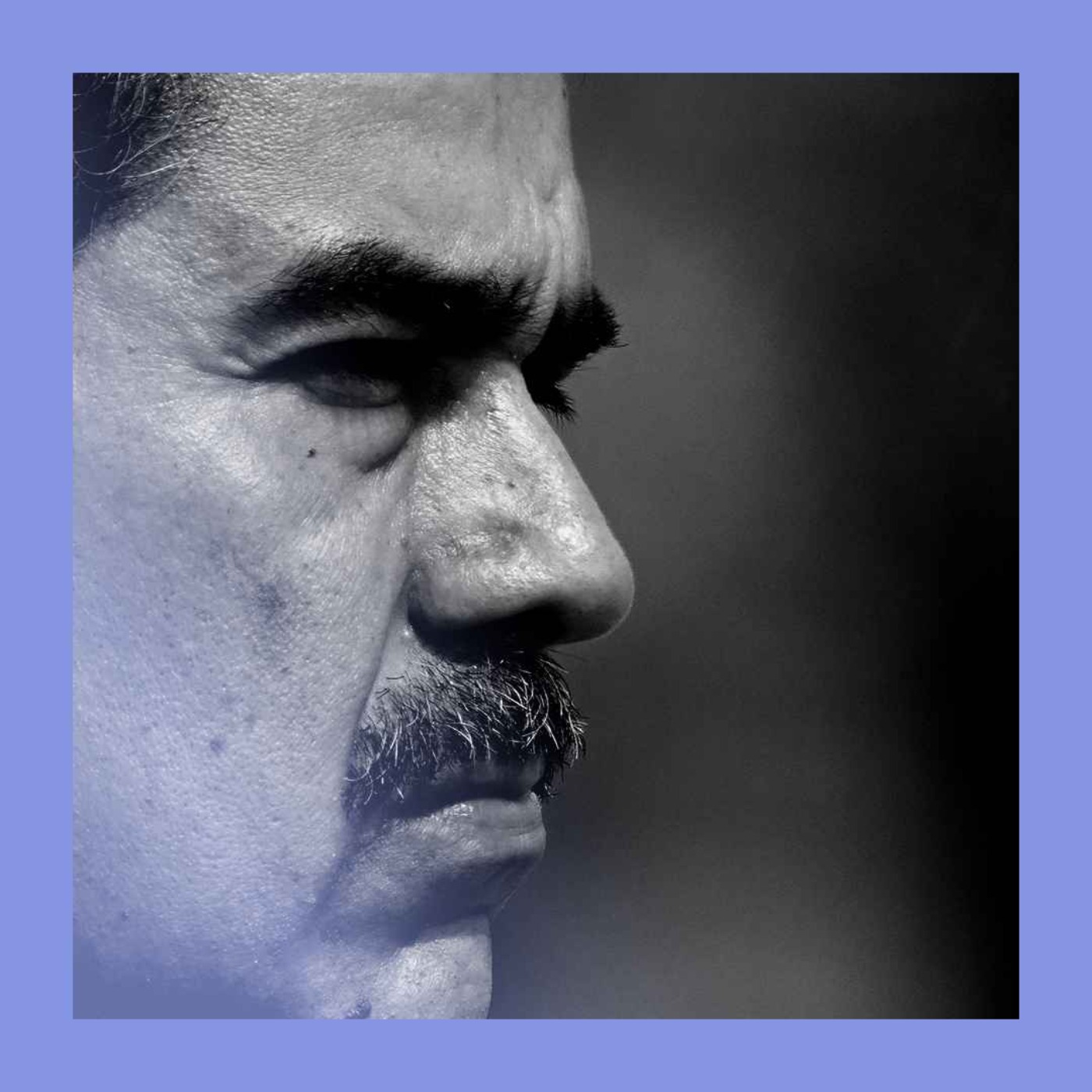
According to a former U.S. negotiator, Nicolás Maduro's personality is a key factor in diplomacy. His thin skin and brittle ego mean he will reject any proposal, even a beneficial one, if he perceives it as being forced upon him, making traditional pressure tactics ineffective.
Despite the public focus on oil, the primary goal of removing Maduro was likely to demonstrate U.S. primacy in the Western Hemisphere. The action serves as a strong signal that the U.S. is willing to act aggressively to enforce its influence in the region.

Venezuela's remaining leadership can adopt a strategy of "playing for time." By appearing cooperative while delaying substantive changes, they can wait for events like the US midterms to increase domestic political pressure on the administration, making sustained intervention unpopular and difficult to maintain. The weaker state's best defense is the superpower's internal clock.
The U.S. strategy appears to be maintaining a weakened Chavista regime to ensure stability and access to oil, effectively turning Venezuela into a resource colony without genuine political change for its people.
Contrary to the assumption that U.S. military action is unwelcome in the region, polling reveals significant support. 53% of Latin Americans and 64% of the Venezuelan diaspora would back an intervention to remove Nicolas Maduro, highlighting a major disconnect with the skepticism of the American public.

The US action to remove Maduro was not a traditional regime change. The goal was to eliminate the leader personally while leaving his party and government apparatus largely intact, suggesting a strategic choice to avoid the instability of a full power vacuum.
By leaving the existing Chavista power structure largely intact after removing Maduro, the U.S. is applying a key lesson from Iraq: avoiding a power vacuum and the chaos of de-Ba'athification is paramount for stability.