Get your free personalized podcast brief
We scan new podcasts and send you the top 5 insights daily.
Figure initially planned to fund its long-term vision with commercial warehouse contracts. However, the team pivoted to focus directly on the much harder "general robotics" problem for homes, believing it's solvable today and represents a faster path to a trillion-dollar market cap.

Related Insights
According to Figure's CEO, the company's biggest challenge is no longer hardware reliability but acquiring enormous amounts of diverse, high-quality data. This data is essential for pre-training their Helix AI model to generalize and handle countless real-world scenarios in homes and commercial settings.
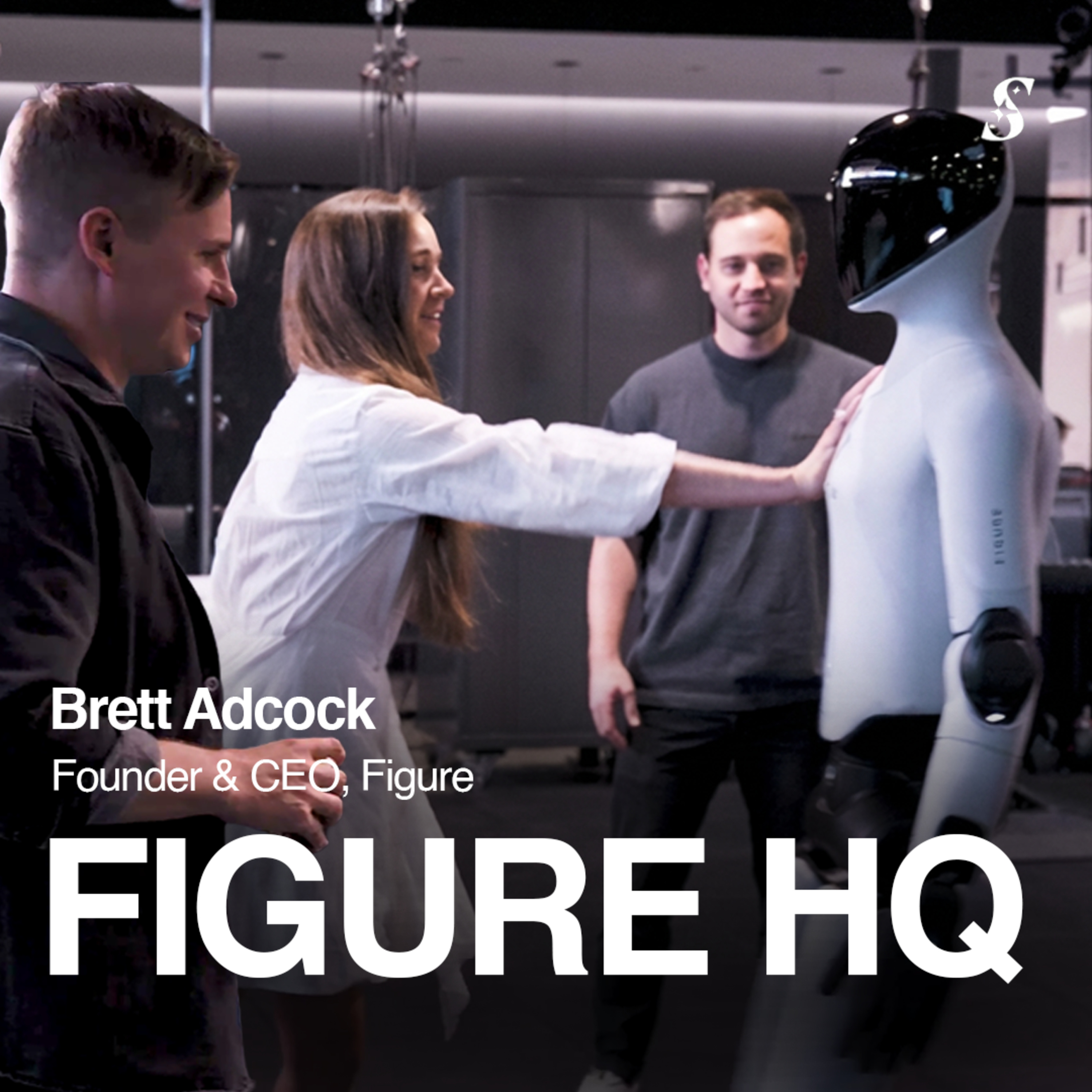
For consumer robotics, the biggest bottleneck is real-world data. By aggressively cutting costs to make robots affordable, companies can deploy more units faster. This generates a massive data advantage, creating a feedback loop that improves the product and widens the competitive moat.

While consumer robots are flashy, the real robotics revolution will start in manufacturing. Specialized B2B robots offer immediate, massive ROI for companies that can afford them. The winner will be the company that addresses factories first and then adapts that technology for the home, not the other way around.

Hyper-focus on high-growth markets, even if it means abandoning a legacy customer base, can unlock explosive growth. A robotics company quadrupled revenue in three years by deliberately shifting its focus from 90% automotive to fast-growing sectors like energy and life sciences.

Leading robotics companies are taking different paths to market. Boston Dynamics targets industrial use cases (e.g., DHL, BP). In contrast, both Figure AI and 1X are now focused on the home, but 1X is moving more aggressively by accepting consumer pre-orders first.

The adoption of humanoid robots will mirror that of autonomous vehicles: focus on achievable, single-task applications first. Instead of a complex, general-purpose home robot, the market will first embrace robots trained for specific, repeatable industrial tasks like warehouse logistics or shelf stocking.

CEO Brett Adcock states Figure has 'overwhelming' commercial demand. The real constraint on growth is ensuring robots can operate reliably at human-level performance. They intentionally limit deployments to avoid a '1,000 robots, 1,000 problems' scenario, prioritizing AI and hardware reliability over rapid sales.
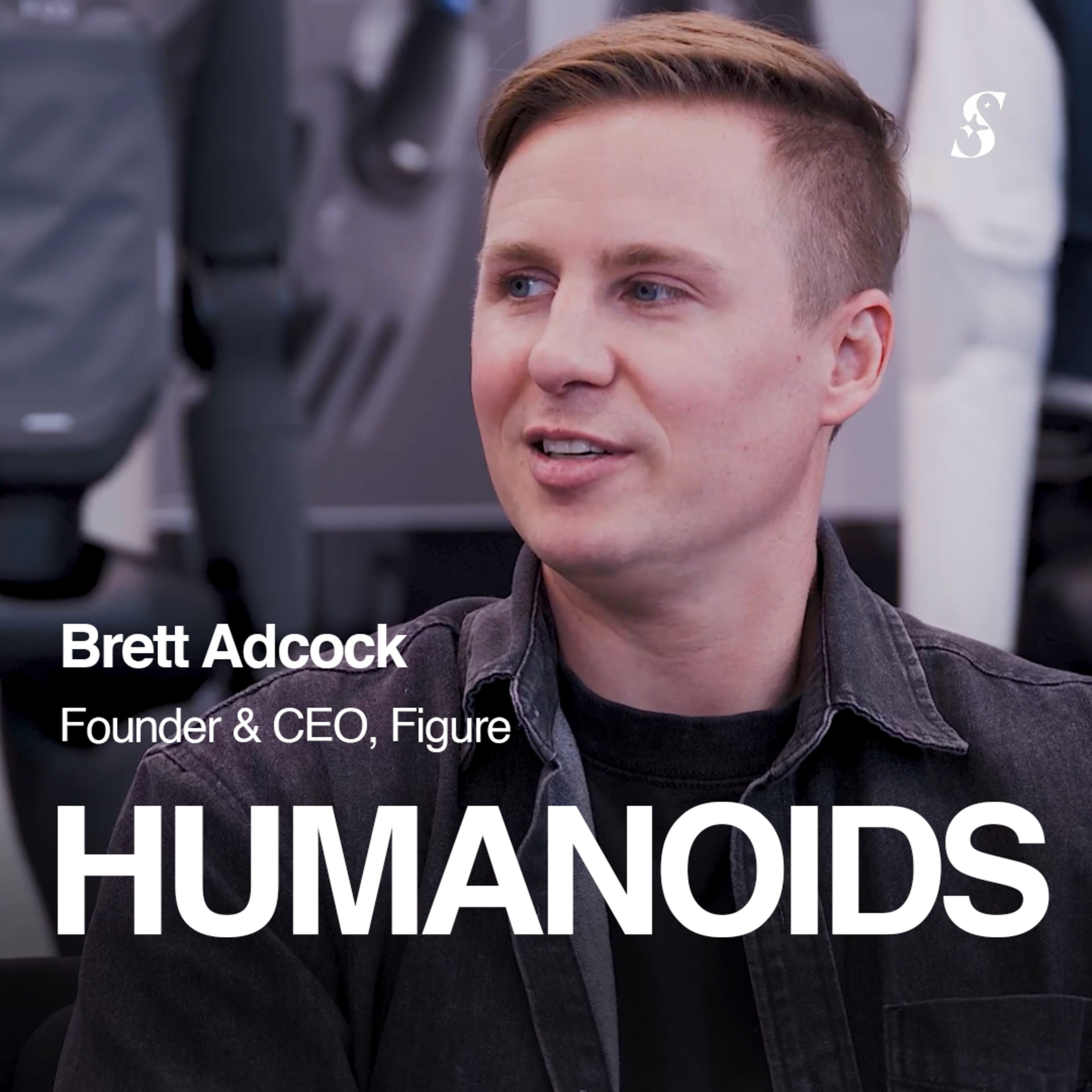
Initially, factories seemed like the easier first market for humanoids due to structured environments. However, Figure's founder now believes the home is a more near-term opportunity. The challenge of environmental variability is now seen as a data-bound problem that can be solved with large-scale data collection programs.

Contrary to starting in controlled industrial settings, ONE X believes the complex, diverse, and social nature of the home is the best environment to develop true general intelligence. The robot must learn to navigate social context, like holding a door for someone, which is data unavailable in a factory.
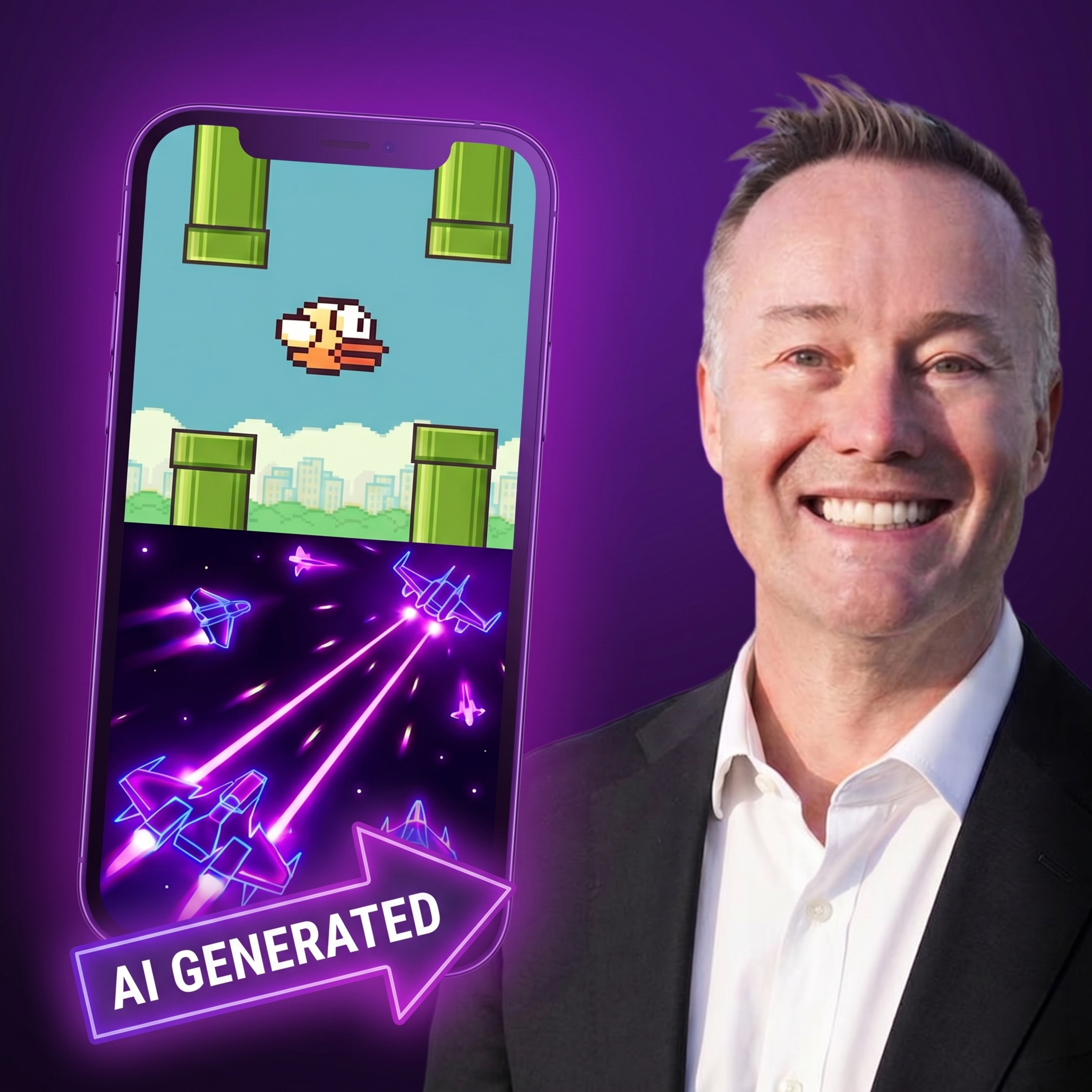
Brett Adcock states that Figure AI's "Helix 2" neural net provides the right technical stack for general robotics. The biggest remaining obstacle is not hardware but the immense data required to train the robot for a wide distribution of tasks. The company plans to spend nine figures on data acquisition in 2026 to solve this.
