Get your free personalized podcast brief
We scan new podcasts and send you the top 5 insights daily.
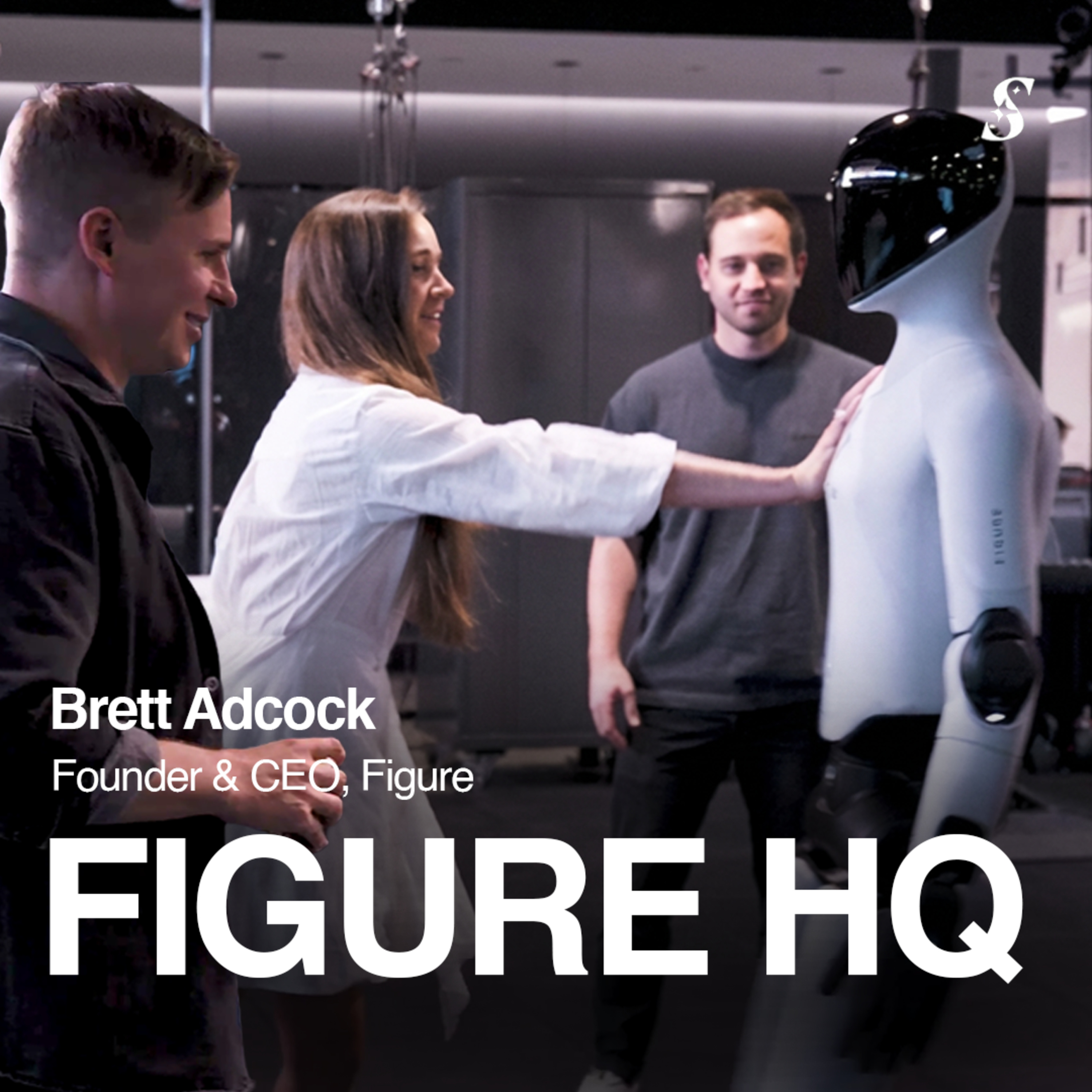
According to Figure's CEO, the company's biggest challenge is no longer hardware reliability but acquiring enormous amounts of diverse, high-quality data. This data is essential for pre-training their Helix AI model to generalize and handle countless real-world scenarios in homes and commercial settings.
Related Insights
The primary challenge in robotics AI is the lack of real-world training data. To solve this, models are bootstrapped using a combination of learning from human lifestyle videos and extensive simulation environments. This creates a foundational model capable of initial deployment, which then generates a real-world data flywheel.

The rapid progress of many LLMs was possible because they could leverage the same massive public dataset: the internet. In robotics, no such public corpus of robot interaction data exists. This “data void” means progress is tied to a company's ability to generate its own proprietary data.

For consumer robotics, the biggest bottleneck is real-world data. By aggressively cutting costs to make robots affordable, companies can deploy more units faster. This generates a massive data advantage, creating a feedback loop that improves the product and widens the competitive moat.
Progress in robotics for household tasks is limited by a scarcity of real-world training data, not mechanical engineering. Companies are now deploying capital-intensive "in-field" teams to collect multi-modal data from inside homes, capturing the complexity of mundane human activities to train more capable robots.

The adoption of powerful AI architectures like transformers in robotics was bottlenecked by data quality, not algorithmic invention. Only after data collection methods improved to capture more dexterous, high-fidelity human actions did these advanced models become effective, reversing the typical 'algorithm-first' narrative of AI progress.

CEO Brett Adcock states Figure has 'overwhelming' commercial demand. The real constraint on growth is ensuring robots can operate reliably at human-level performance. They intentionally limit deployments to avoid a '1,000 robots, 1,000 problems' scenario, prioritizing AI and hardware reliability over rapid sales.
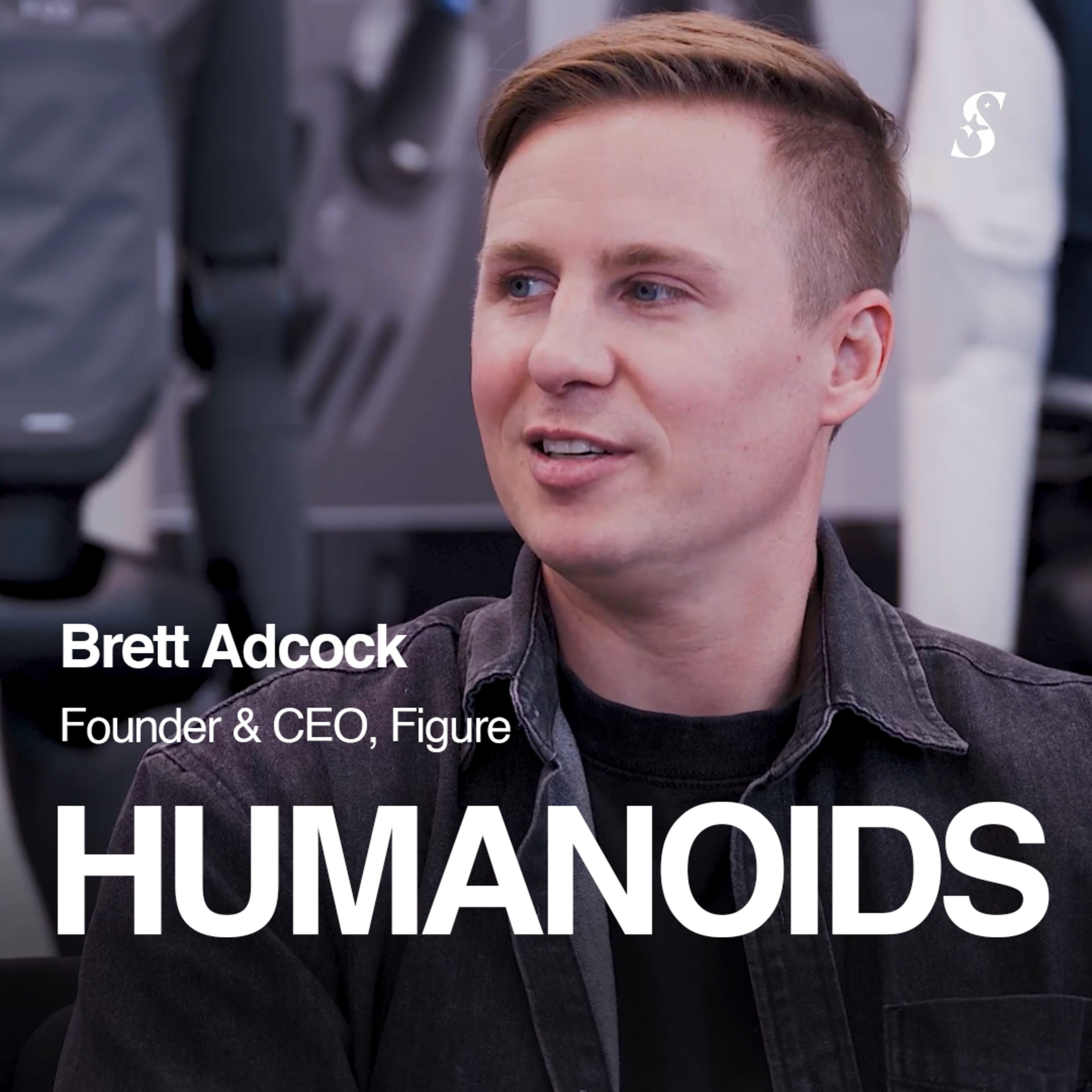
Initially, factories seemed like the easier first market for humanoids due to structured environments. However, Figure's founder now believes the home is a more near-term opportunity. The challenge of environmental variability is now seen as a data-bound problem that can be solved with large-scale data collection programs.

The humanoid robot industry is stalled by a data paradox: robots need vast amounts of real-world data from factory tasks to become useful, but they cannot be deployed in factories until they are already useful. This catch-22 forces companies to rely on simulated data, slowing the transition from entertainment props to industrial tools.

Brett Adcock states that Figure AI's "Helix 2" neural net provides the right technical stack for general robotics. The biggest remaining obstacle is not hardware but the immense data required to train the robot for a wide distribution of tasks. The company plans to spend nine figures on data acquisition in 2026 to solve this.

Firms are deploying consumer robots not for immediate profit but as a data acquisition strategy. By selling hardware below cost, they collect vast amounts of real-world video and interaction data, which is the true asset used to train more advanced and capable AI models for future applications.