Get your free personalized podcast brief
We scan new podcasts and send you the top 5 insights daily.
Contrary to weakening the Iranian regime, US military actions have had the opposite effect. An Iranian reporter notes that the strikes shifted public focus away from mass domestic protests and toward national unity against a foreign aggressor, creating an unintended "rally around the flag" effect.

Related Insights
The idea that airstrikes can decapitate the Iranian regime is a fallacy. The IRGC's influence is too deeply embedded within the society and its institutions. Killing leaders at the top will not remove this "rot," and the IRGC will simply re-constitute control, likely in an even more repressive form.

While the campaign successfully suppressed Iranian missile launches, it created a wounded, aggrieved regime. This political reality provides a powerful new incentive for Iran to double down on its nuclear program, meaning a tactical victory could directly lead to a long-term strategic catastrophe.

A destabilized Iranian regime is more dangerous, not less. Israeli intelligence fears Tehran might launch a strike on a foreign enemy like Israel to distract its populace, create a "rally 'round the flag" effect, and restore military pride after recent setbacks.

The bombing campaign, aimed at regime change, could be counterproductive. Prior to the conflict, Iran's regime was seen as unpopular and frail, potentially heading for collapse or moderation. The external attack risks creating a rally-round-the-flag effect, allowing the regime to consolidate power where mere survival becomes a victory.
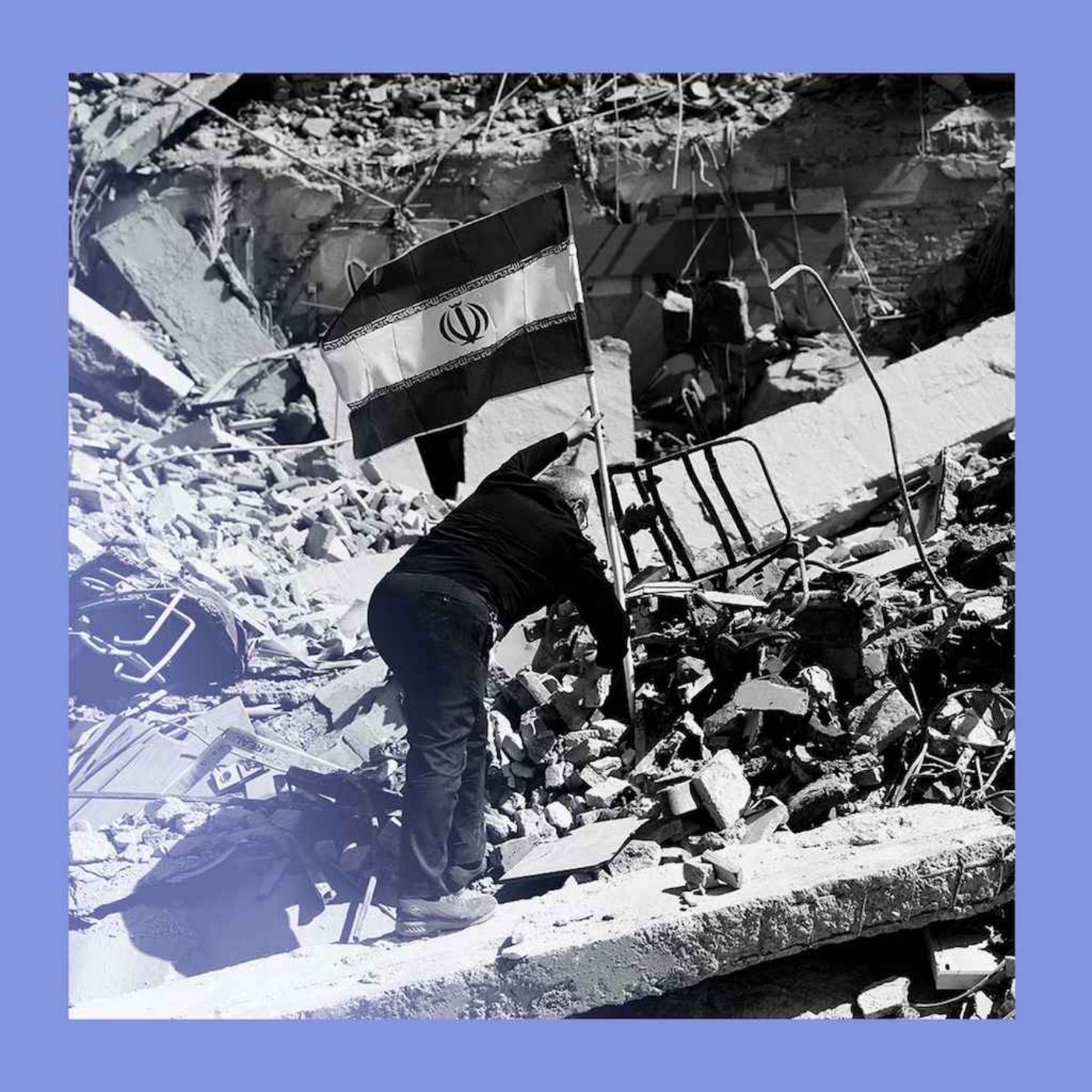
The conflict did not empower Iran's opposition; it terrorized civilians and justified the installation of a military government. The regime used the war to intensify its crackdown on dissent, making the Iranian people and their democratic aspirations the primary casualties.

Military strikes on industrial targets, while tactically successful, often energize the targeted population and regime. This creates political backlash that overwhelms the military effects, ultimately making the adversary stronger and more unified, as was seen in Vietnam.

The ongoing war provides the Iranian regime with a pretext for heightened internal security. This allows it to suppress domestic protests and dissent, framing internal control as a necessary measure while managing an external existential threat.

While US strikes weaken Iran's military, Trump's simultaneous focus on keeping oil markets stable allows Iran to sell its oil at a premium. This creates a contradictory outcome where Iran's economic leverage and funding for future aggression increase, even as its military is degraded.

Despite widespread internal protests and instability, history shows that an external attack is one of the few things that can unify the Iranian population. A potential Israeli strike, meant to weaken the regime, could backfire by creating a 'rally 'round the flag' effect that shores up support for the Ayatollah.

Unlike nascent revolutionary states that rally against foreign attacks, late-stage dictatorships are weakened by military defeats. Iran's recent humiliations by Israel and the US have exposed incompetence and eroded the public's perception of strength, fueling protests and accelerating the regime's demise.