Get your free personalized podcast brief
We scan new podcasts and send you the top 5 insights daily.
The conflict did not empower Iran's opposition; it terrorized civilians and justified the installation of a military government. The regime used the war to intensify its crackdown on dissent, making the Iranian people and their democratic aspirations the primary casualties.

Related Insights
The idea that airstrikes can decapitate the Iranian regime is a fallacy. The IRGC's influence is too deeply embedded within the society and its institutions. Killing leaders at the top will not remove this "rot," and the IRGC will simply re-constitute control, likely in an even more repressive form.

The bombing campaign, aimed at regime change, could be counterproductive. Prior to the conflict, Iran's regime was seen as unpopular and frail, potentially heading for collapse or moderation. The external attack risks creating a rally-round-the-flag effect, allowing the regime to consolidate power where mere survival becomes a victory.
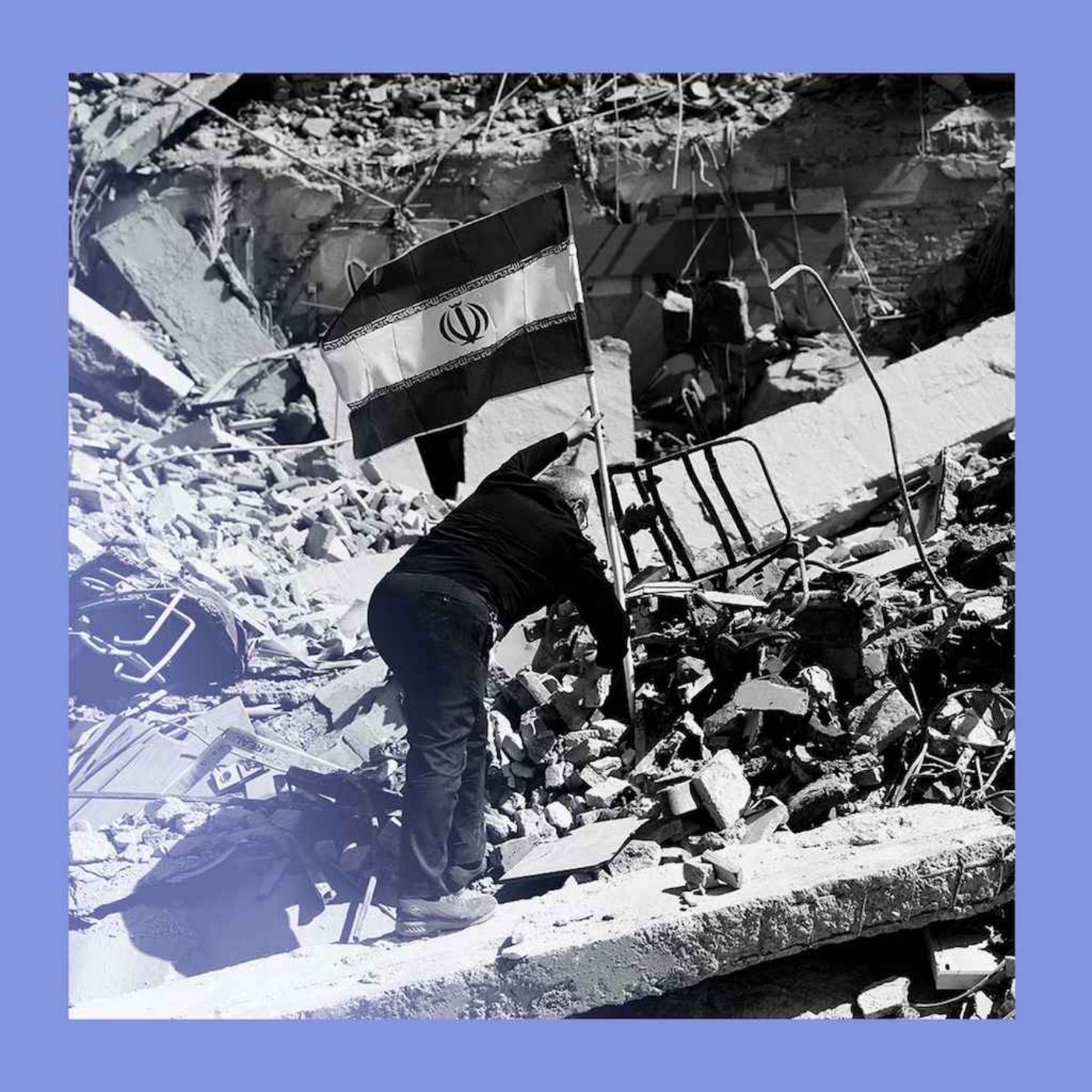
With its credibility destroyed by bloodshed, the Iranian regime's only remaining leverage over some citizens is the fear of a chaotic power vacuum. The prospect of a full-blown civil war may convince some to tolerate the current oppression over the alternative of total state collapse.

The ongoing war provides the Iranian regime with a pretext for heightened internal security. This allows it to suppress domestic protests and dissent, framing internal control as a necessary measure while managing an external existential threat.

A U.S. military strike to remove Ayatollah Khamenei is unlikely to help protesters. Analysis suggests it would more likely result in the Revolutionary Guard seizing control or other regime remnants continuing the fight, ultimately failing to satisfy the opposition and potentially worsening the civil conflict.
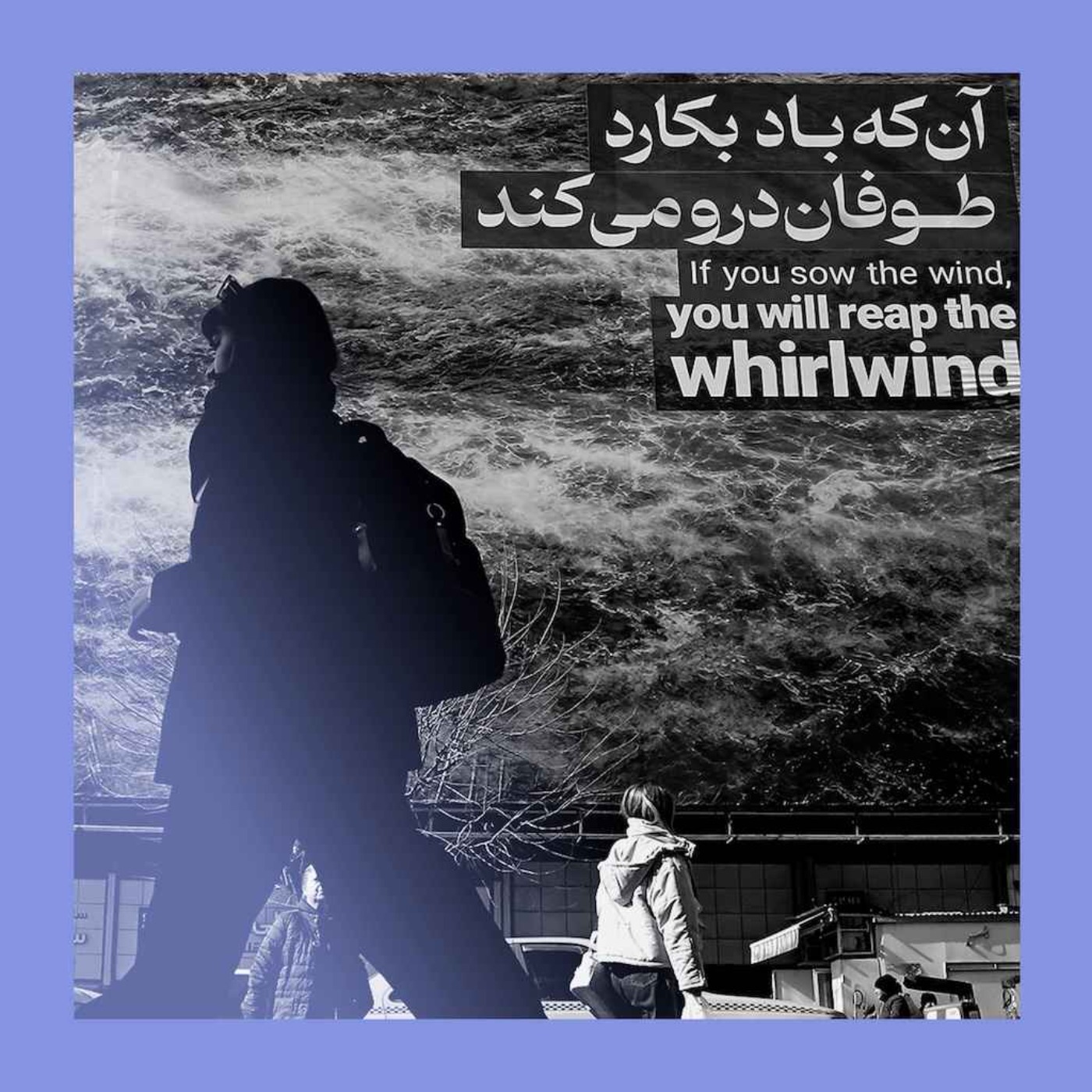
Western assumptions of a liberal Iranian populace ready to overthrow the regime are flawed. While dissent is widespread, decades of repression have eliminated any organized political opposition. This, combined with a hardcore 10-20% base of support, makes the regime surprisingly durable.

The US presumed a 'decapitation strike' would cause the Iranian regime to collapse from internal mismanagement and popular unrest. This proved false, as the regime's institutionalization and resilience were severely underestimated, leading to a protracted conflict for Washington.
The war on Iran was a "war of choice" based on a flawed assumption of imminent regime collapse. Burns argues the Iranian regime is designed to withstand decapitation and predictably reacted by regionalizing the conflict to inflict economic and political pain on its adversaries.
Unlike nascent revolutionary states that rally against foreign attacks, late-stage dictatorships are weakened by military defeats. Iran's recent humiliations by Israel and the US have exposed incompetence and eroded the public's perception of strength, fueling protests and accelerating the regime's demise.
The Iranian regime's strategy extends beyond killing protesters; it actively dishonors their memory. By piling up bodies, charging families for their return, and limiting funerals, the state is purposefully humiliating the public, which in turn exacerbates anger and hardens opposition.