Get your free personalized podcast brief
We scan new podcasts and send you the top 5 insights daily.
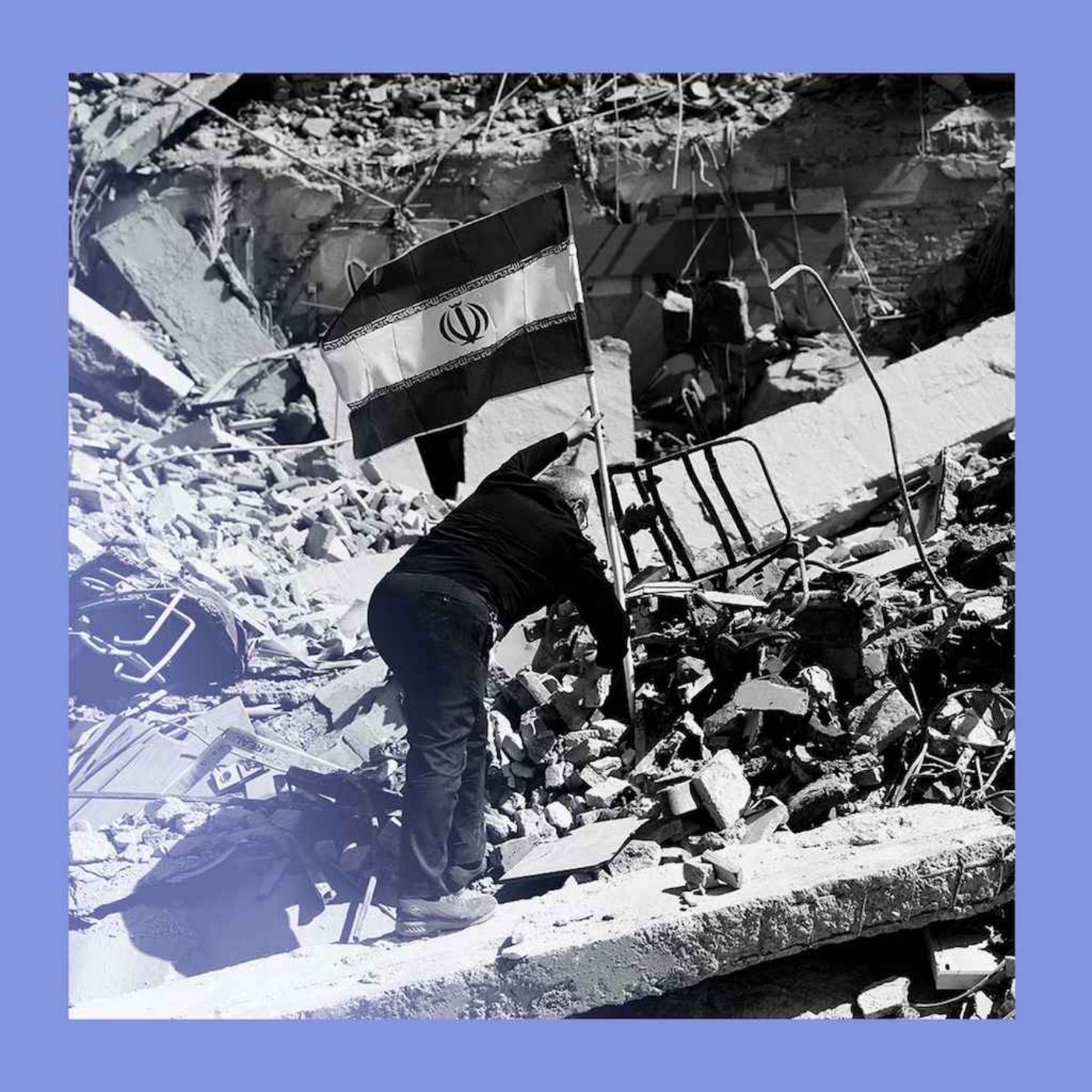
While the campaign successfully suppressed Iranian missile launches, it created a wounded, aggrieved regime. This political reality provides a powerful new incentive for Iran to double down on its nuclear program, meaning a tactical victory could directly lead to a long-term strategic catastrophe.

Related Insights
Constant military pressure and assassinations remove any disincentive for Iran to pursue nuclear weapons. When a regime is already being attacked, acquiring a nuclear deterrent becomes its most logical and effective path to survival, mirroring North Korea's strategy.

The bombing campaign, aimed at regime change, could be counterproductive. Prior to the conflict, Iran's regime was seen as unpopular and frail, potentially heading for collapse or moderation. The external attack risks creating a rally-round-the-flag effect, allowing the regime to consolidate power where mere survival becomes a victory.
The spectacular success of US military and intelligence operations, like the one against Maduro in Venezuela, can create a dangerous sense of hubris. Leaders may begin to see the military as a 'magic wand' for solving any problem, leading them to misapply this powerful tool in more complex situations like Iran.

Destroying Iran's conventional military without toppling the regime could create a cornered, vengeful state. Lacking other options and led by a leader whose father was just killed, it might turn to asymmetric warfare like terrorism to retaliate for its humiliation and losses.

Before the conflict, Iran maintained a "credible but not actual" nuclear program as a deterrent. By assassinating the supreme leader and launching an air war, the US has proven this strategy insufficient, forcing Iran to pursue an actual nuclear weapon for survival.

The targeted Iranian supreme leader had issued two religious edicts (fatwas) against developing nuclear weapons. His assassination removed this key restraint and installed his more aggressive son, who has not issued similar edicts, thereby inadvertently accelerating the nuclear threat.
Initial military actions, like successful bombings, can feel like victories. However, they often fail to solve the core political issue, trapping leaders into escalating the conflict further to achieve the original strategic goal, as they don't want to accept failure.
Iran's goal isn't a surprise attack, but achieving nuclear immunity. This involves developing several bombs at once, then conducting a series of public tests to demonstrate a robust and survivable nuclear capability, thereby preventing preemptive strikes, as North Korea successfully did.
The US and Israel are operationally successful in degrading Iran's military capabilities. However, leadership has failed to articulate a coherent strategic objective for the war, making it difficult to define victory or know when the conflict will end.

Previously a remote possibility, direct military intervention in Iran creates a scenario where an unconditional surrender is demanded. This leaves Iran with little to lose, making the use of a nuclear weapon a logical defensive step, likely delivered via a cargo ship to a major US port.