Get your free personalized podcast brief
We scan new podcasts and send you the top 5 insights daily.
Most marketing organizations lack the operational infrastructure required to build and maintain custom video games. Brands can enter immersive environments with lower friction by utilizing standard video units or integrating into established popular games. This allows access to major consumer time without requiring dedicated live-ops development teams.

Related Insights
EA Sports is adding real-brand ads to its games, mirroring real-world sports. This move can counterintuitively make the virtual experience more immersive, as a sterile, ad-free stadium feels more artificial than one populated with the corporate branding players expect to see.

Instead of focusing on in-app purchases, Nanogram's founders envision a future where brands create engaging, interactive ads. For example, Domino's could build a playable game where asteroids are pizzas, and the call-to-action is to order the pizza created in-game.
Similar to the early internet, the time users spend on video games far outweighs the advertising dollars captured by the industry. This gap indicates a huge, untapped monetization opportunity where ad spend will eventually calibrate to match user attention, especially among young male demographics.
The perception that TV requires expensive, Super Bowl-level creative is a myth. For initial tests, brands can effectively repurpose existing video content or leverage quick, cost-effective AI creative production companies to get campaigns live and begin learning without a massive upfront investment.
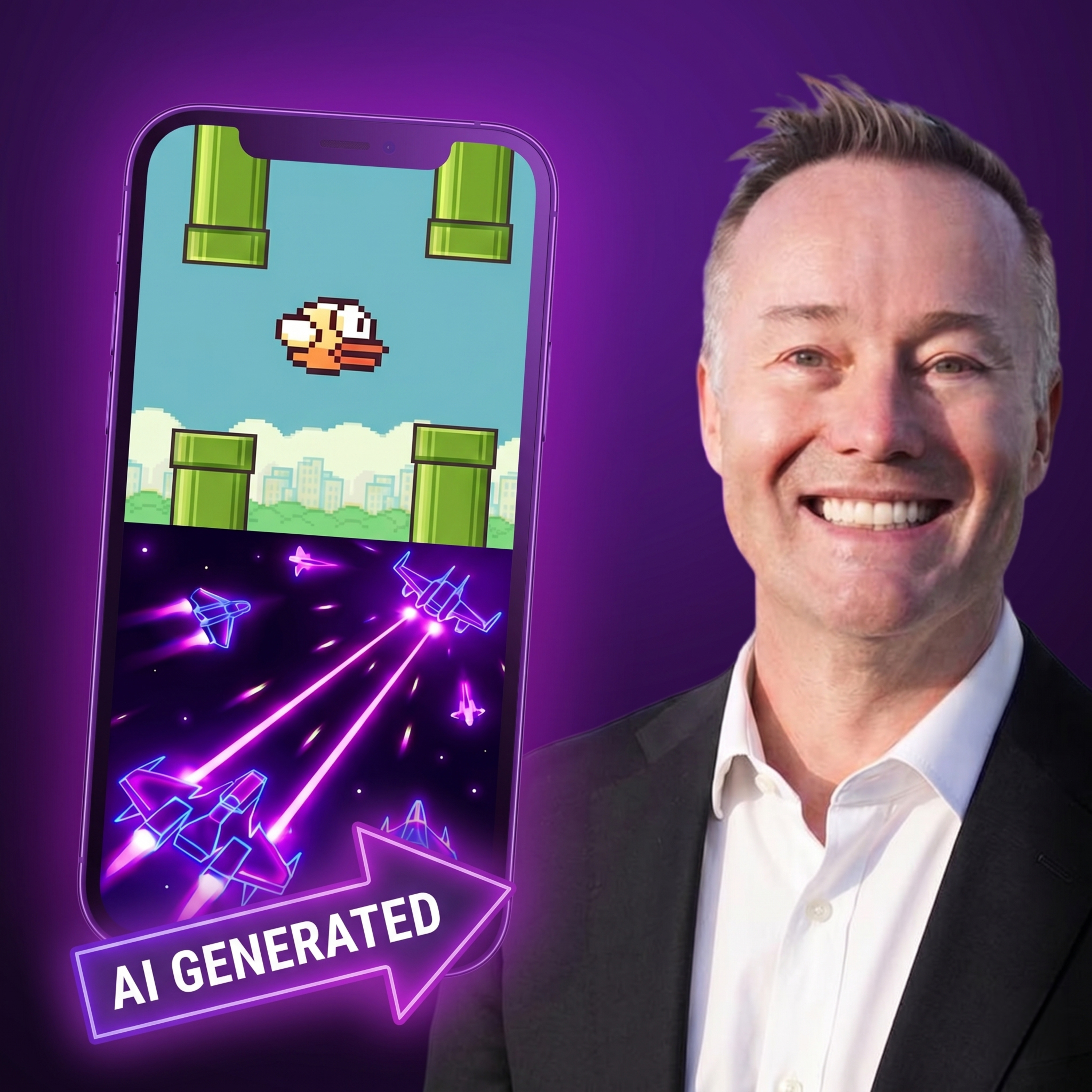
Brands can use AI coding tools like Gemini to quickly build simple, themed games. These games act as engaging, shareable content for social media marketing campaigns, offering a fresh way to capture audience attention beyond traditional ads and posts.

Virtual world activations generate substantial incremental value through creator and player video sharing. Billions of views occur across TikTok and YouTube featuring recorded in-game experiences. Advertisers should intentionally plan multi-channel loops that link virtual activations to external creator and video distribution.
Modern advertising success requires looking beyond simple impressions to evaluate post-exposure engagement. While mobile feeds offer only seconds of attention, immersive platforms can yield 10 to 11 minutes of brand engagement. Although measurement models have not caught up, this captivated dwell time drives far deeper impact.
Advanced AI models can now build simple games from prompts, lowering the previously high barrier to entry for interactive marketing. What once required a dedicated development team can now be prototyped by a solopreneur over a weekend, creating more engaging, hands-on brand experiences than traditional content.

The success of events like the Daft Punk concert in Fortnite signals a strategic shift. IP holders will launch new brands within games first to build community, then expand to movies or TV. Games are now viewed as the most influential social platforms, not just secondary marketing channels.

While generative video is a focus, the most impactful application of generative AI in advertising right now is creating interactive ad units. These units, which allow users to demo a product or play a mini-game, drive the majority of engagement. Generative tools make it feasible for non-gaming e-commerce brands to adopt this highly effective, gamified format.