Get your free personalized podcast brief
We scan new podcasts and send you the top 5 insights daily.
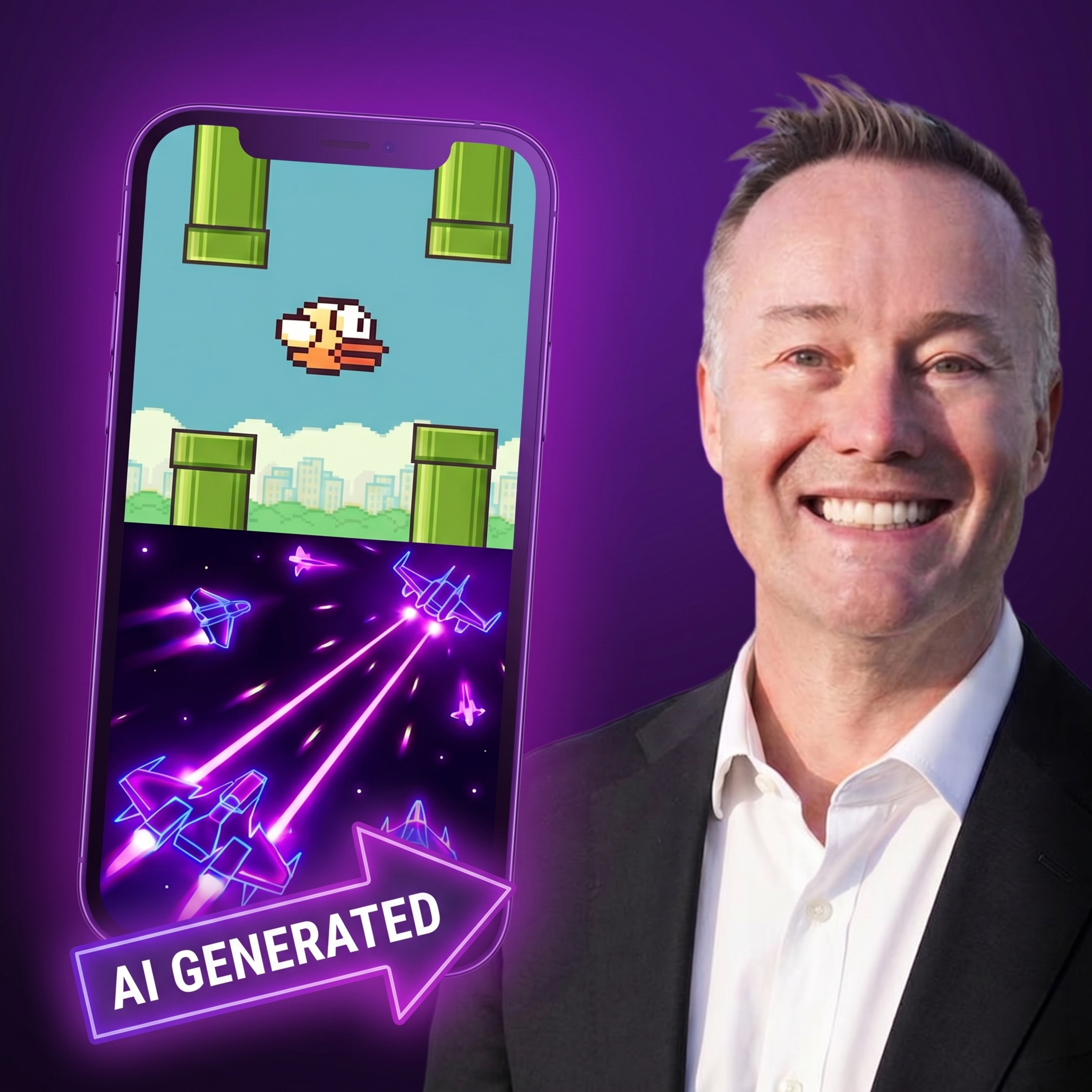
While generative video is a focus, the most impactful application of generative AI in advertising right now is creating interactive ad units. These units, which allow users to demo a product or play a mini-game, drive the majority of engagement. Generative tools make it feasible for non-gaming e-commerce brands to adopt this highly effective, gamified format.

Related Insights
GenAI transforms advertising's core pillars. It enables hyper-personalized creatives at scale, democratizes ad production for smaller businesses, and fundamentally enhances the two most critical functions of any ad platform: predicting user behavior and measuring campaign outcomes.

While the market seeks revenue from novel AI products, the first significant financial impact has come from using AI to enhance existing digital advertising engines. This has driven unexpected growth for companies like Meta and Google, proving AI's immediate value beyond generative applications.

The future of video isn't just AI-generated clips but a new, interactive media format akin to a video game. Synthesia's CEO envisions personalized, real-time experiences like sales training simulations or conversational movies. This evolution is currently bottlenecked by the high cost and bandwidth of inference, which next-gen infrastructure aims to solve.

Instead of focusing on in-app purchases, Nanogram's founders envision a future where brands create engaging, interactive ads. For example, Domino's could build a playable game where asteroids are pizzas, and the call-to-action is to order the pizza created in-game.
OpenAI is testing ads on ChatGPT's free tier, mirroring the early monetization paths of Google and Facebook. This move signals the inevitable rise of generative AI platforms as a major advertising channel that marketers will need to understand and master.

The real economic value of generative video lies in advertising, not filmmaking. Unlike movies with finite consumption, there is unlimited demand for personalized, diverse ad content. This makes advertising a perfect fit for the technology's scalable content creation capabilities.

Brands can use AI coding tools like Gemini to quickly build simple, themed games. These games act as engaging, shareable content for social media marketing campaigns, offering a fresh way to capture audience attention beyond traditional ads and posts.

Advanced AI tools can now produce video ads with realistic avatars that are so effective they are starting to replace the entire user-generated content (UGC) ad stack for large advertisers on platforms like Meta, signaling a major shift in creative strategy.

The next evolution of media blurs the line between movies and video games. Using real-time AI generation, viewers can influence the plot, similar to Netflix's "Bandersnatch." This dramatically increases engagement and replay value for the same piece of content, creating a strong business case.

AI video is evolving from passive generation to active engagement. Synthesia's new products focus on the intersection of video and AI agents, allowing users to, for example, watch a training video and then enter a role-playing simulation with an AI to test their comprehension.
