Get your free personalized podcast brief
We scan new podcasts and send you the top 5 insights daily.
EA Sports is adding real-brand ads to its games, mirroring real-world sports. This move can counterintuitively make the virtual experience more immersive, as a sterile, ad-free stadium feels more artificial than one populated with the corporate branding players expect to see.

Related Insights
Adobe's sports sponsorships serve as a public case study for their technology. They demonstrate how to manage a global fan experience across myriad digital and physical touchpoints, showcasing a complex customer journey that is relevant and instructive for any large enterprise.

A novel ad format would allow brands to sponsor access to premium features for free users. For example, McKinsey could underwrite deep research queries, or Nike could present a branded "training mode." This transforms advertising from an interruption into a value-additive, branded experience that enhances the core product.

The current strategy of offering immersive sports experiences only to in-market fans on devices like the Apple Vision Pro is flawed. The real opportunity is an inverse model: providing the VR experience exclusively to out-of-market fans who cannot physically attend, creating a new revenue stream without cannibalizing ticket sales.

Instead of focusing on in-app purchases, Nanogram's founders envision a future where brands create engaging, interactive ads. For example, Domino's could build a playable game where asteroids are pizzas, and the call-to-action is to order the pizza created in-game.
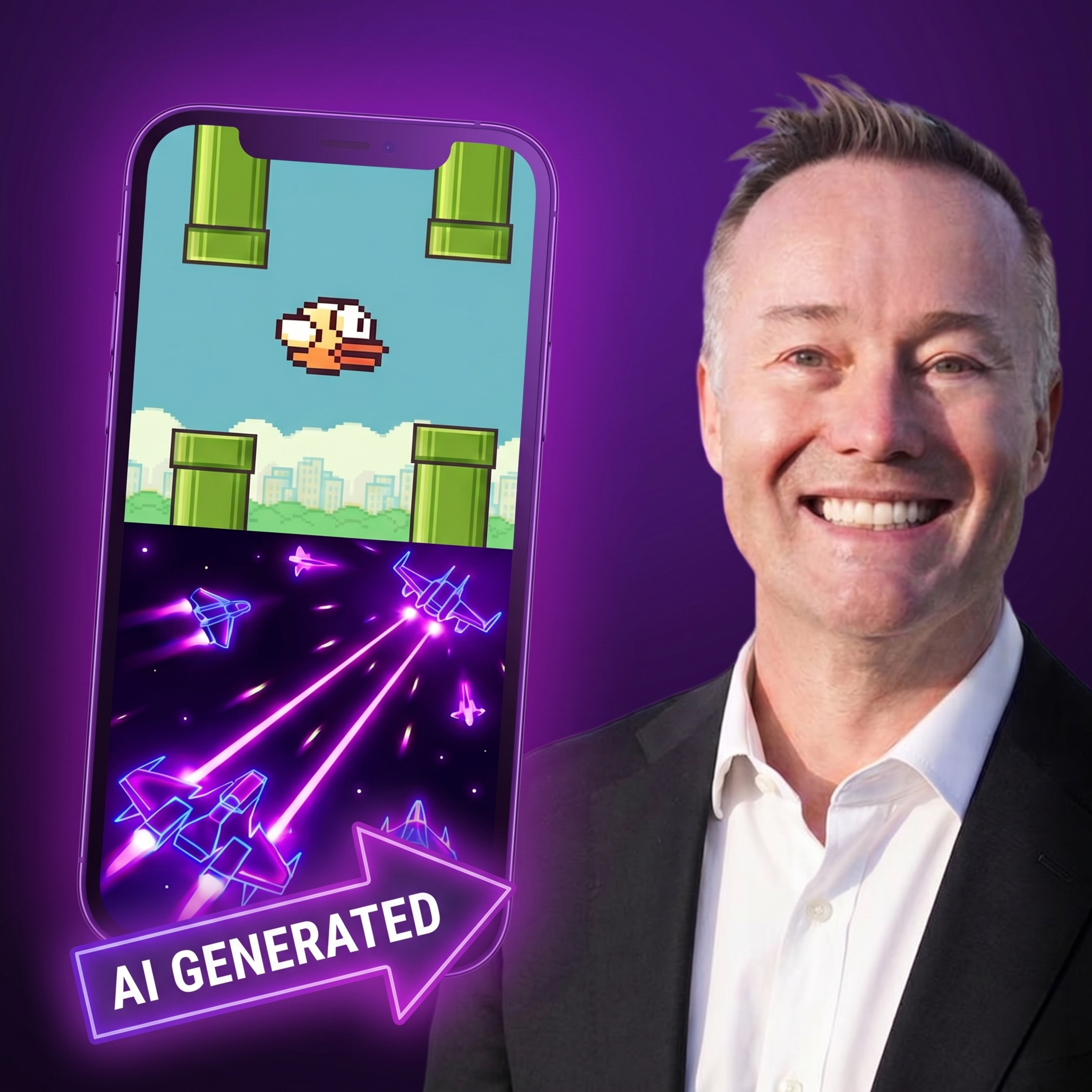
Similar to the early internet, the time users spend on video games far outweighs the advertising dollars captured by the industry. This gap indicates a huge, untapped monetization opportunity where ad spend will eventually calibrate to match user attention, especially among young male demographics.

In sports, internal-facing marketing assets like pre-game videos serve a dual purpose. They are designed to energize the players, which directly enhances their performance and, by extension, the fan experience. This creates a feedback loop where fan entertainment and player motivation fuel each other.

As society becomes increasingly digital with AI, the value of and demand for real-world, analog experiences like live sports, music festivals, and community run clubs are exploding. This counter-trend makes investing in live events a safer bet for media companies and advertisers seeking guaranteed, engaged audiences.

The goal for advertising in AI shouldn't just be to avoid disruption. The aim is to create ads so valuable and helpful that users would prefer the experience *with* the ads. This shifts the focus from simple relevance to actively enhancing the user's task or solving their immediate problem.

While generative video is a focus, the most impactful application of generative AI in advertising right now is creating interactive ad units. These units, which allow users to demo a product or play a mini-game, drive the majority of engagement. Generative tools make it feasible for non-gaming e-commerce brands to adopt this highly effective, gamified format.

The company shifted its Super Bowl strategy from pure brand awareness to a targeted, in-game activation tool. The ad is designed to drive engagement with their improved live betting product during the game itself, capturing users when they are most focused.
