Get your free personalized podcast brief
We scan new podcasts and send you the top 5 insights daily.
Virtual world activations generate substantial incremental value through creator and player video sharing. Billions of views occur across TikTok and YouTube featuring recorded in-game experiences. Advertisers should intentionally plan multi-channel loops that link virtual activations to external creator and video distribution.

Related Insights
Most marketing organizations lack the operational infrastructure required to build and maintain custom video games. Brands can enter immersive environments with lower friction by utilizing standard video units or integrating into established popular games. This allows access to major consumer time without requiring dedicated live-ops development teams.
Roblox's growth is amplified by its community's activity on other platforms. At one point, a third of all gaming content on a major short-form video app was Roblox-related. This demonstrates how empowering users to share content externally creates a powerful, self-sustaining viral loop.
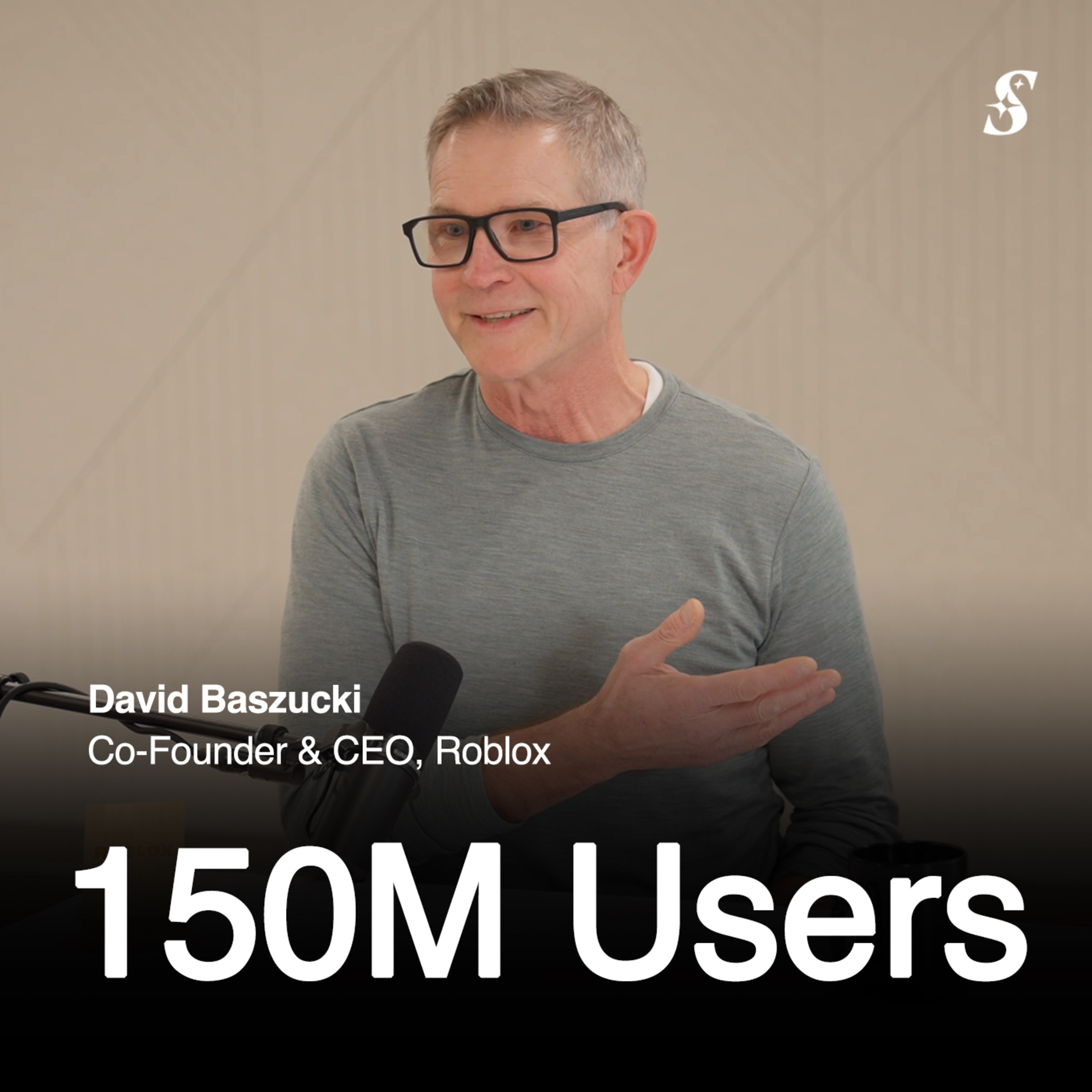
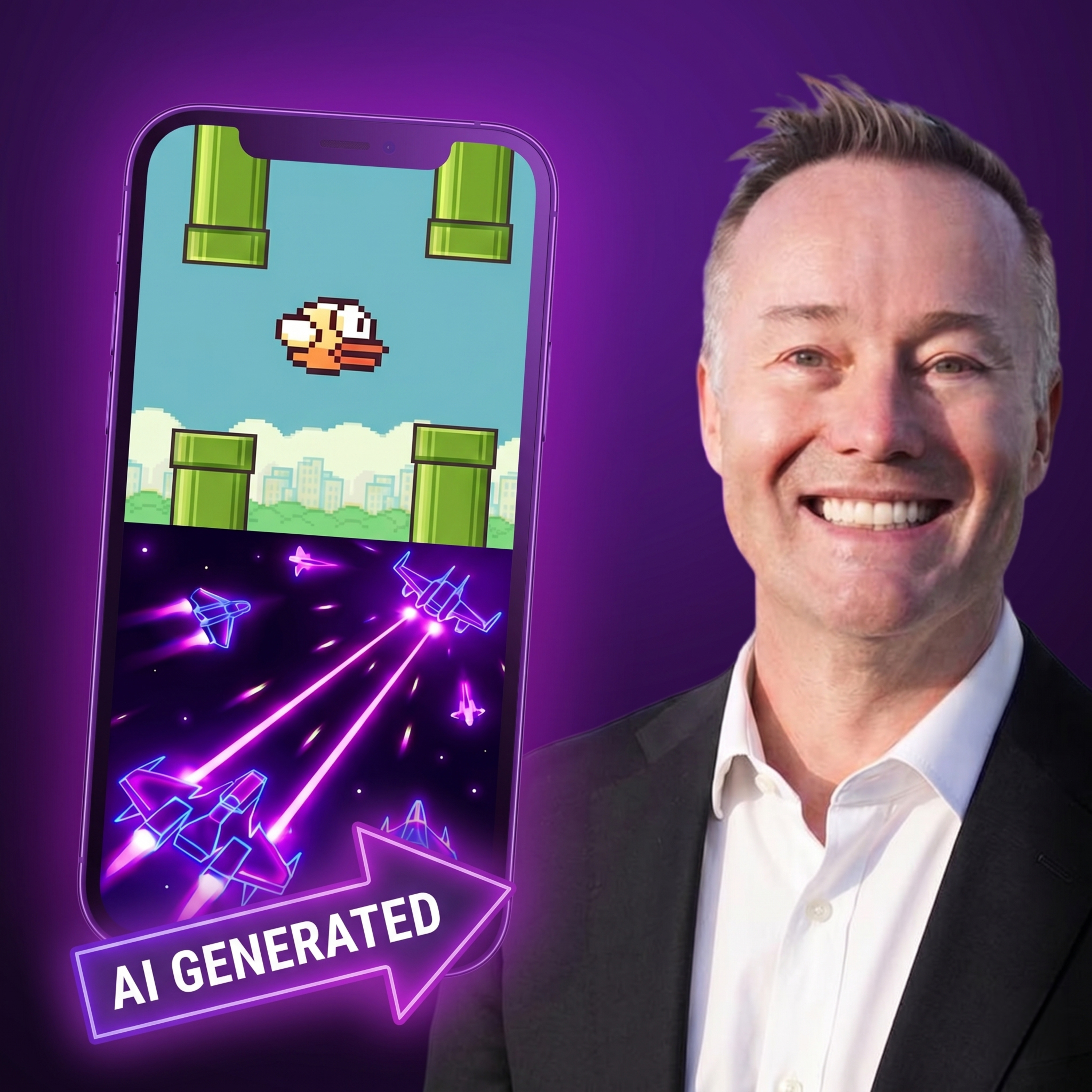
While people commonly share video clips or text, sharing interactive games is not an established behavior. Nanogram is changing this, observing that for every 100 likes on a game, it receives 30 to 50 shares. This high ratio suggests the platform is creating a new viral loop.
Gen Z and Gen Alpha engage through active doing rather than passive watching. Platforms like Roblox represent shared social spaces where users build, play, and strategize with friends. Marketers must treat these channels as interactive storytelling canvases rather than standard broadcast mediums.
Brands maximize the ROI of expensive activations like those at the Super Bowl by reframing them as 'production days.' Instead of a one-off event, they become content engines for social media and creative campaigns, using influencers and programming to reach a much broader audience.

By integrating product feeds with creator content on YouTube, brands can make every surface shoppable—from Shorts to the living room TV. This connects the trust and influence of a creator directly with a point of purchase, turning inspiration from hauls and reviews into immediate sales.

Modern advertising success requires looking beyond simple impressions to evaluate post-exposure engagement. While mobile feeds offer only seconds of attention, immersive platforms can yield 10 to 11 minutes of brand engagement. Although measurement models have not caught up, this captivated dwell time drives far deeper impact.
The success of events like the Daft Punk concert in Fortnite signals a strategic shift. IP holders will launch new brands within games first to build community, then expand to movies or TV. Games are now viewed as the most influential social platforms, not just secondary marketing channels.

Build a system that incentivizes customers to create short-form video content about their experiences. Then, identify the top-performing organic videos and run them as paid ads. This creates an authentic, decentralized, and highly scalable pipeline for ad creative.

The next marketing wave isn't chasing viral trends, which builds trend recall but not brand recall. Instead, brands must create immersive, episodic 'worlds' that function as standalone entertainment. This shifts the goal from grabbing attention to holding it through compelling, serialized content.
