Get your free personalized podcast brief
We scan new podcasts and send you the top 5 insights daily.
Ukraine should aim to become the 'South Korea' of Europe. This means accepting a negotiated peace or armistice that secures its independence and sovereignty over most of its territory, even if it doesn't reclaim everything. It can then rebuild into a prosperous democracy, creating a stark contrast with a decaying Russia.

Related Insights
Contrary to popular hope, a scenario where Ukraine fully expels Russia and regains all territory is a 'total fantasy.' Based on historical precedent, the war has only two realistic outcomes: a Ukrainian collapse under sustained pressure or a compromise peace that grants Russia de facto control of some territory.
Rather than taking a "holier than thou" stance and refusing to engage with governments that have committed atrocities, it is more effective to build bridges. Cooperation invites them into the 21st century and aligns them with your values, whereas isolationism is counterproductive.

Putin's history shows a reliable pattern: he appears cooperative and makes agreements, only to later act in his own self-interest. To predict his moves in conflicts like the Ukraine war, one must analyze this long-term behavioral pattern rather than his current statements or gestures.

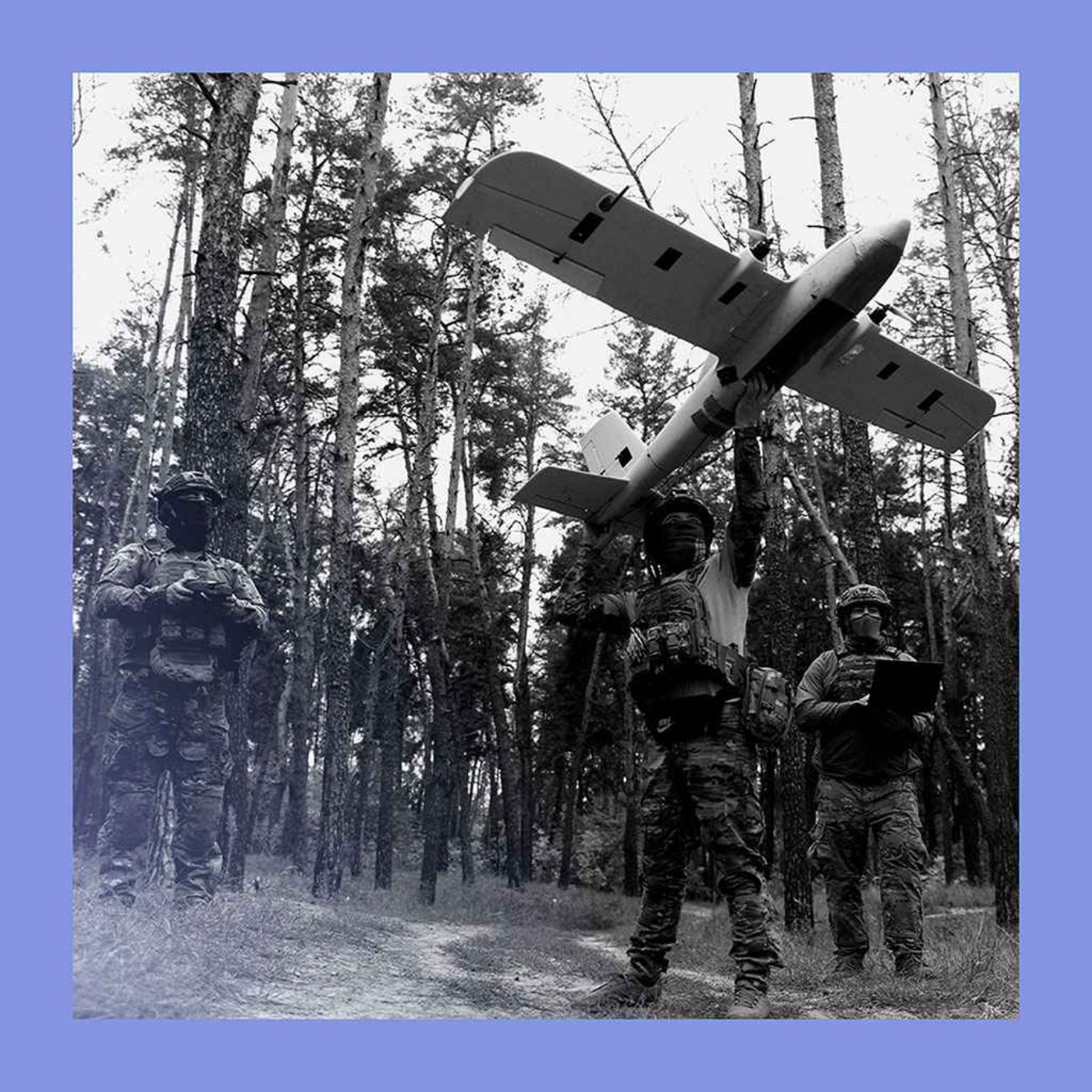
Recognizing Russia's high tolerance for military casualties, Ukraine has shifted its strategy to asymmetric economic warfare. By systematically using long-range drones to attack Russian oil refineries and tankers, Ukraine aims to inflict financial pain where the human cost of war has failed to be a deterrent, creating what they call "the real sanctions."

A peace plan, largely drafted without Ukrainian input and containing unfavorable terms, has emerged just as President Zelenskyy's government faces its biggest corruption crisis. This timing suggests the US may be using Ukraine's internal turmoil to push for otherwise unacceptable concessions.
Soviet leaders who lived through WWII understood the unpredictability of direct conflict and preferred proxy wars. Vladimir Putin, in contrast, has consistently used direct "hot wars"—from Chechnya to Georgia to Ukraine—as a primary tool to consolidate power and boost his domestic popularity.

The proposed peace plan negotiated by private business figures asks Ukraine to cede heavily fortified territory that Russia has failed to capture despite years of fighting and immense casualties. This is not a peace deal but a demand for surrender that rewards Russian aggression by effectively giving away strategic land for free.
The current geopolitical landscape shows that nations with nuclear weapons can act with impunity, while non-nuclear nations are vulnerable. The West's hesitant support for Ukraine reinforces this lesson, creating a rational incentive for smaller countries to pursue their own nuclear deterrents, risking dangerous proliferation.

By committing to a multi-year, ~$400 billion funding plan, Europe can turn Ukraine's financial weakness into a strategic advantage. This sustained support would exacerbate Russia's already high financial burden, potentially triggering a banking or inflation crisis and crippling its war machine.
A multinational peacekeeping force from BRICS countries (China, India, Brazil, etc.) could be more effective in conflicts like the Russia-Ukraine war. The rationale is that these nations are seen as more neutral than NATO and hold significant economic leverage (e.g., as major buyers of Russian energy), making them a credible guarantee against further aggression.
