Get your free personalized podcast brief
We scan new podcasts and send you the top 5 insights daily.
The President of Finland's quick reversal on whether Europe can defend itself without America reveals a critical vulnerability. Despite public posturing of self-sufficiency, European security is deeply dependent on the U.S., undermining their leverage in negotiations and exposing their claims as a bluff.

Related Insights
Major European allies like the UK and France face a "lethal problem" where raising defense spending to meet US-led targets could trigger a bond market revolt. This fiscal constraint, coupled with voter opposition to tax hikes, makes meeting these commitments politically and economically untenable.

The seemingly bizarre US rhetoric about Greenland is not a genuine territorial ambition. Instead, it is a calculated, strong-arm tactic designed to give European nations political cover to increase their own military spending and adopt a 'war footing,' aligning with US interests against China and its allies.

With the U.S. stepping back from its traditional leadership role, European countries are creating new, direct alliances to ensure their own security. A notable example is the emerging UK-Scandinavia-Baltic-Poland axis, which signals a fundamental shift in the continent's geopolitical architecture away from a singular reliance on Washington.

While Americans may become desensitized to a president's unconventional statements, allies like Australia do not see it as a joke. They interpret threats to treaty obligations as genuine disrespect and aggression, compelling them to develop independent defense strategies and fundamentally altering geopolitical relationships built over decades.

Trump's confrontational stance with allies isn't just chaos; it's a calculated strategy based on the reality that they have nowhere else to go. The U.S. can troll and pressure nations like Canada and European countries, knowing they won't realistically align with China, ultimately forcing them to increase their own defense commitments.

Russia's provocations are designed to create dilemmas for European nations, forcing them to question whether the US would support a kinetic response. This uncertainty weakens the transatlantic alliance and strengthens Russia's psychological position for future negotiations over Ukraine and European security.
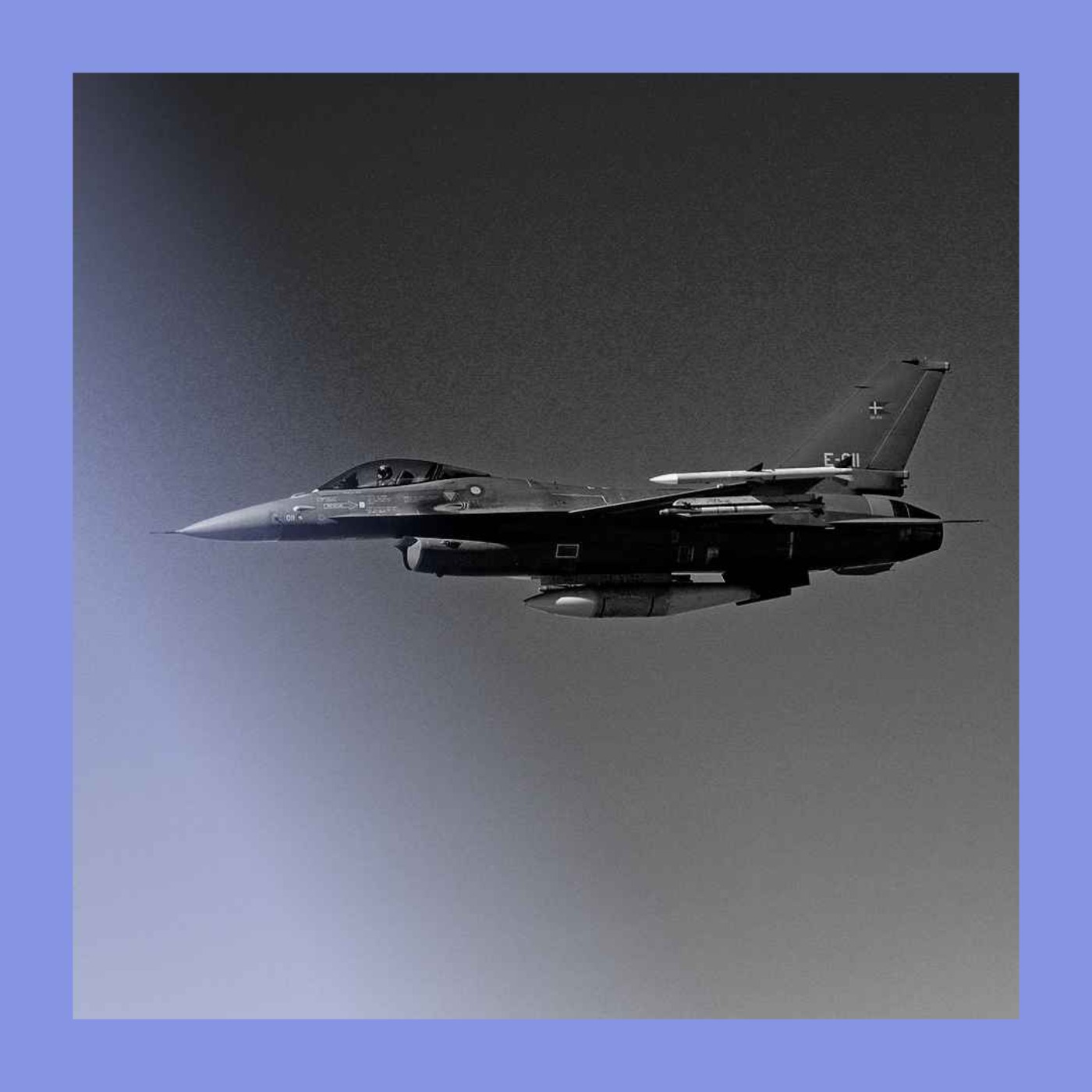
Europe faces a dual threat: an aggressive Russia waging hybrid warfare on its eastern flank, and a Trump-led America that actively prefers a fragmented, weaker Europe. A disunified EU allows the U.S. to cut more favorable bilateral deals, leaving Europe vulnerable from both sides without its traditional transatlantic security guarantee.

European rhetoric about 'strategic autonomy' is ultimately hollow. For decades, Europe's security has been guaranteed by the U.S. nuclear umbrella, a public good it cannot afford or politically agree to replicate. This fundamental dependency ensures Europe cannot truly break from U.S. foreign policy, regardless of leadership style.
The backbone of NATO is not just US military might, but European trust in it. A dispute initiated by the US against allies is more existentially dangerous than past internal conflicts or external threats because it directly undermines the core assumption of mutual defense.

Even though President Trump backed down on tariffs over Greenland, the episode permanently eroded European trust in the U.S. as a reliable NATO partner. The erratic nature of the dispute raised serious questions about American dependability on more critical issues like Ukraine, suggesting long-term damage to the alliance.