Get your free personalized podcast brief
We scan new podcasts and send you the top 5 insights daily.
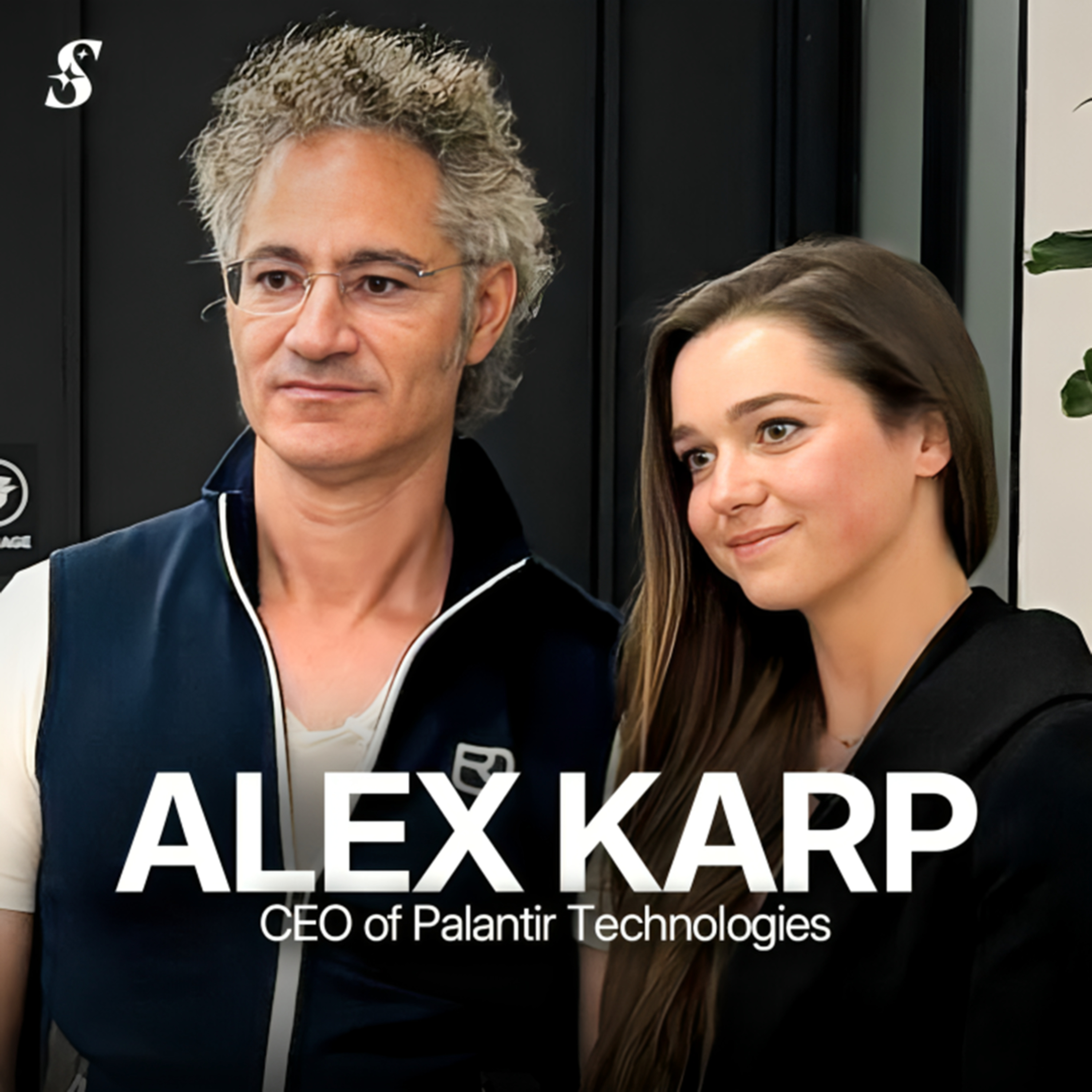
In today's "non-playbook world," dyslexia is a major advantage. The inability to follow a standard playbook forces dyslexics to invent new and generative solutions from first principles, allowing them to outperform those who rely on outdated, rigid strategies.
Related Insights
Conventional innovation starts with a well-defined problem. Afeyan argues this is limiting. A more powerful approach is to search for new value pools by exploring problems and potential solutions in parallel, allowing for unexpected discoveries that problem-first thinking would miss.
Palantir's success stems from its "anti-playbook" culture. It maintains a flat, meritocratic structure that feels like a startup despite its size. This environment fosters original thinking and rewards those who excel outside of rigid, conventional frameworks, turning traditionally undervalued traits into strengths.
Child prodigies excel at mastering existing knowledge, like playing a perfect Mozart sonata. To succeed as adults, they must transition to creation—writing their own sonata. This fundamental shift from rote skill to original thinking is where many prodigies falter because the standards for success change completely.

Lacking a traditional resume forces young founders to constantly learn, as they have no preconceived notions of how things 'should' be done. This contrasts with experienced leaders who might wrongly assume their past success provides a playbook for a new market or company stage.

The speaker views his lack of natural academic talent as a "superpower." This self-awareness forced him to abandon competing on raw intelligence and instead develop a more robust system of consistency and accountability, which ultimately proved more effective for long-term success.

The common practice of hiring for "culture fit" creates homogenous teams that stifle creativity and produce the same results. To innovate, actively recruit people who challenge the status quo and think differently. A "culture mismatch" introduces the friction necessary for breakthrough ideas.

The founder's self-described laziness fostered a deep aversion to direct competition. This mindset became a strategic advantage, forcing the company to seek the path of least resistance by pursuing differentiated ideas and markets that others were ignoring, which is key to building a unique business.

The growing number of neurodivergent candidates is not just a trend driven by new diagnoses. It is a positive outcome of an educational system that successfully mainstreamed students, teaching them skills to manage their differences and thrive, creating a valuable new talent pipeline for employers.

In a rapidly evolving market, the speed at which you can discard outdated strategies and adopt new ones is more critical than simply accumulating new knowledge. Professionals who can let go of 'what has always worked' will adapt and win faster than those who cling to legacy methods.

Dell’s approach of deconstructing problems and maintaining deep curiosity is perceived as extraordinary by others. To him, it's the only logical way to operate ("How else would you do it?"), highlighting the mindset gap between great founders and the rest of the world.
