Get your free personalized podcast brief
We scan new podcasts and send you the top 5 insights daily.
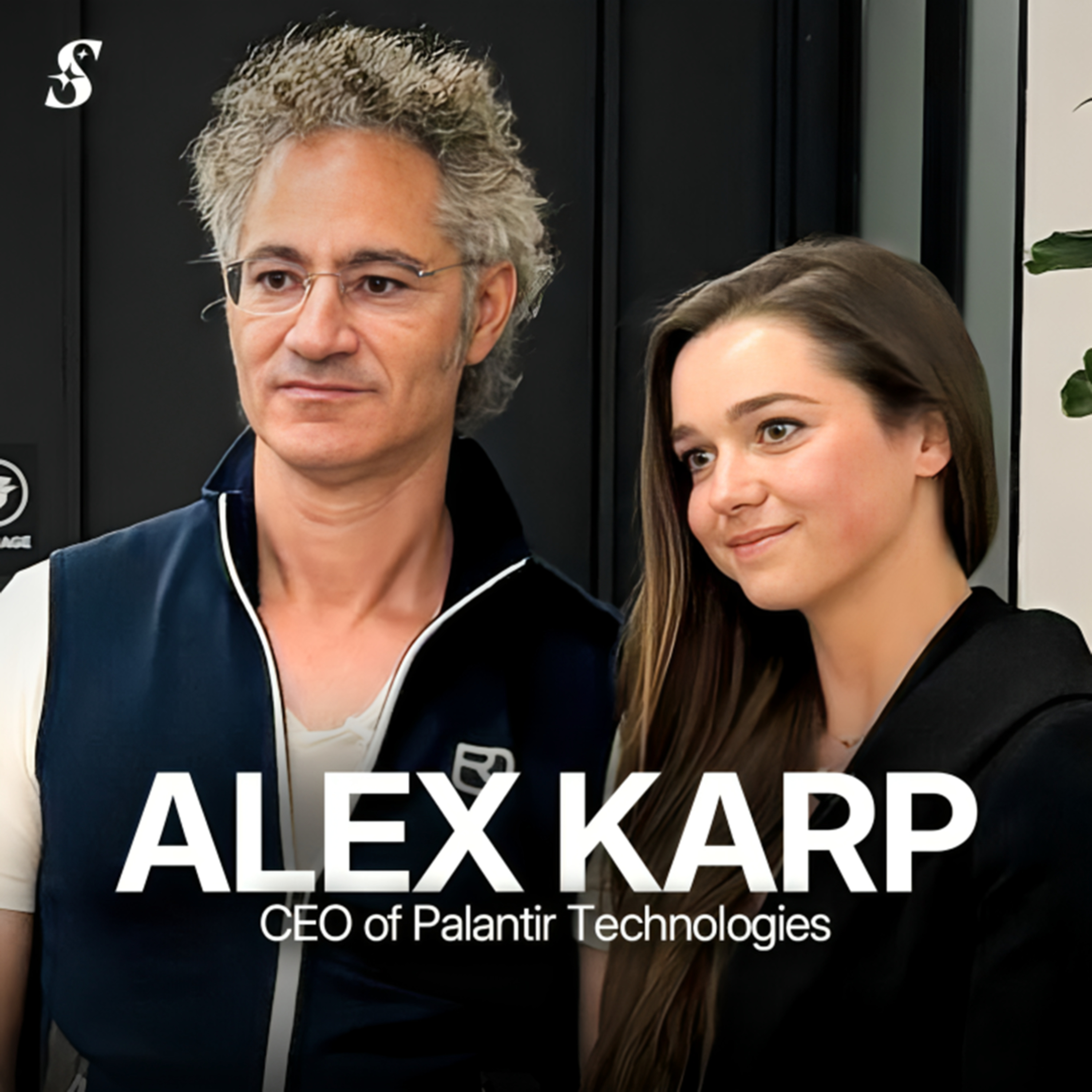
Palantir's success stems from its "anti-playbook" culture. It maintains a flat, meritocratic structure that feels like a startup despite its size. This environment fosters original thinking and rewards those who excel outside of rigid, conventional frameworks, turning traditionally undervalued traits into strengths.
Related Insights
Unlike typical software companies that build addictive products or simply fulfill requests, Palantir's approach is to anticipate and build what its partners *ought* to want in the future. This radical, value-driven strategy builds deep trust and creates an indispensable long-term position with the client.
Large corporations can avoid stagnation by intentionally preserving the "scrappy" entrepreneurial spirit of their early days. This means empowering local teams and market leaders to operate with an owner's mindset, which fosters accountability and keeps the entire organization agile and innovative.

At Crisp.ai, the core value is that the best argument always wins, regardless of who it comes from—a new junior employee or the company founder. This approach flattens hierarchy and ensures that the best ideas, which often originate from those closest to the product and customers (engineers, PMs), are prioritized.

A company's rate of aging is directly correlated with its layers of hierarchy. By maintaining a very flat structure, 20-year-old Palantir "anti-ages," retaining the fresh, agile vibe and rapid decision-making of a young startup while possessing the scale and knowledge of a mature company.
The company's leadership philosophy, borrowed from Palantir, is to hire highly opinionated and sometimes difficult talent. While this feels chaotic, these individuals are essential for innovation and adaptation, unlike talent that merely optimizes existing, stable systems.

The common practice of hiring for "culture fit" creates homogenous teams that stifle creativity and produce the same results. To innovate, actively recruit people who challenge the status quo and think differently. A "culture mismatch" introduces the friction necessary for breakthrough ideas.

Don't default to hiring people who have "done the job before," even at another startup. Unconventional hires from different backgrounds (e.g., archaeologists in customer success) can create unique creativity. The priority should be finding the right fit for your company's specific stage and needs, not just checking an experience box.

Gamma scaled to a $2B valuation with only 50 people by innovating on org design, not just product. They prioritize hiring generalists over specialists and use a 'player-coach' model instead of a traditional management layer. This keeps the team lean, agile, and close to the actual work.

A key factor for rapid career growth is joining a company with a founder-led philosophy of betting on and promoting existing talent. This culture, combined with proven product-market fit and a lean operating model, creates outsized opportunities for high-potential employees to grow with the company.