Get your free personalized podcast brief
We scan new podcasts and send you the top 5 insights daily.
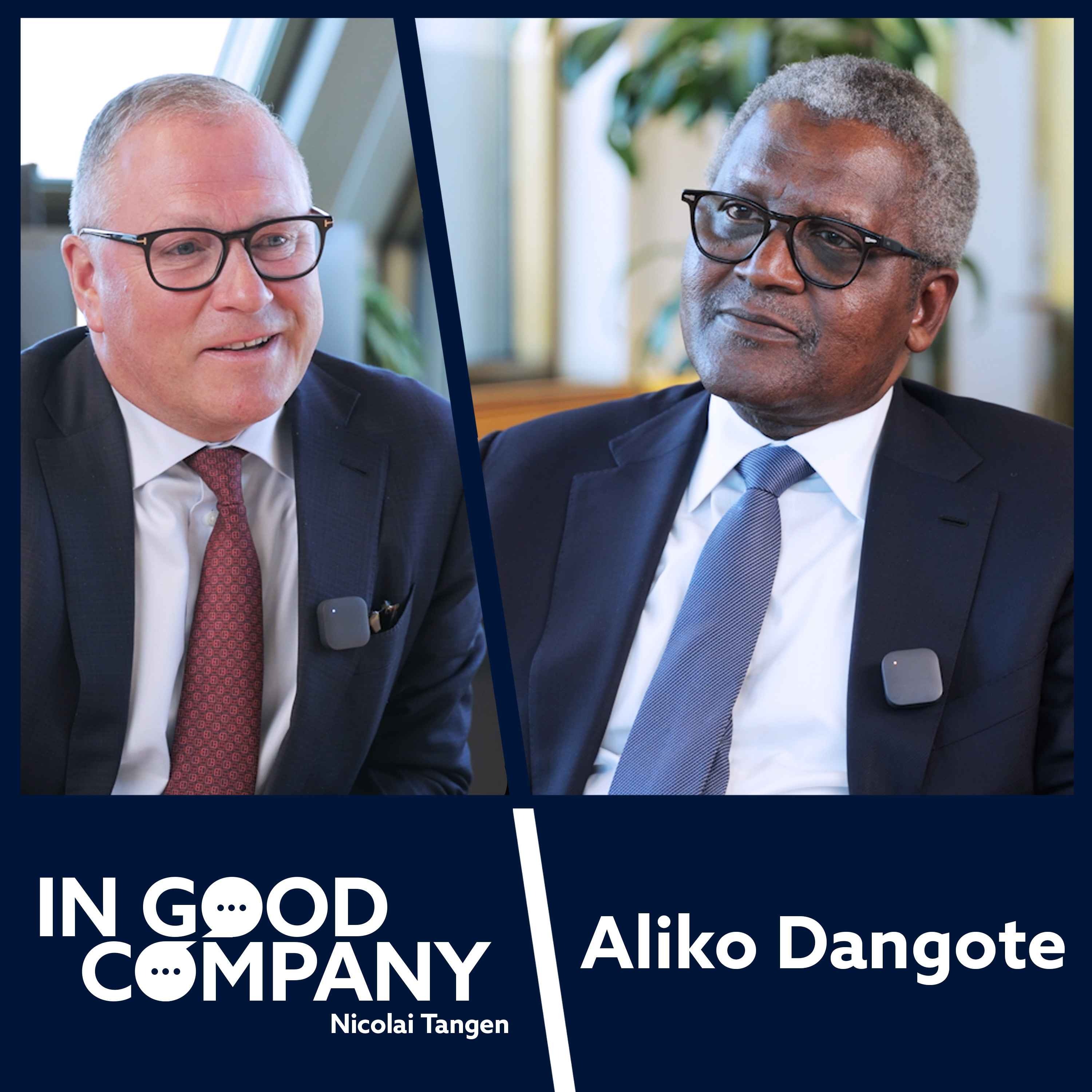
Aliko Dangote posits that a common mistake in emerging markets is seeking foreign investment prematurely. He argues that foreign investors are only truly attracted when they see significant, sustained investment from domestic entrepreneurs, which proves local confidence in the economy.
Related Insights
Western investors visiting emerging markets often invest in businesses they personally enjoy in affluent areas. This is a critical error, as these ventures aren't scalable to the broader local population with a much lower average income. The real opportunity lies in the mass market.

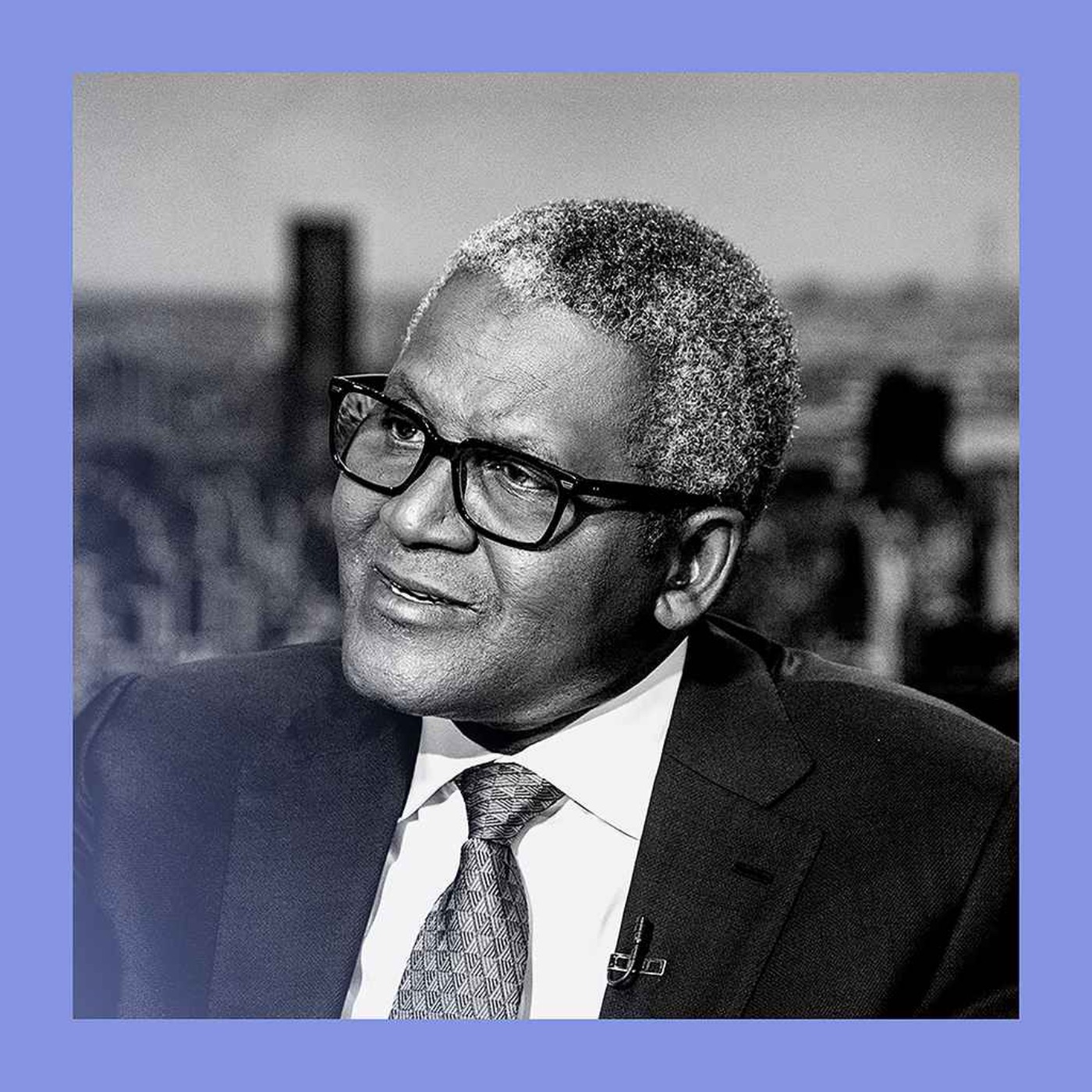
The primary benefit of Aliko Dangote's massive oil refinery for Nigeria is not just influencing prices, but guaranteeing the availability of petroleum products. This creates energy independence and resilience against geopolitical shocks, effectively ending decades of fuel shortages and making the refinery a strategic national asset.
Contrary to historical trends, policymakers in key African nations are demonstrating a sustained commitment to economic reforms. This resilience, forged by recent global shocks, is signaling to investors that current reform paths are more enduring, reducing perceived political risk and increasing interest in the region's sovereigns.

Aliko Dangote builds Africa's industrial capacity using a monopolistic playbook of leveraging political favors and pushing for import bans. With regulators freezing new petrol import licenses, Nigeria's energy security is effectively entrusted to one individual, which may harm consumers in the long term despite current benefits.
To fully commit to building his industrial empire in Nigeria, Dangote sold his personal mansions in the U.S. and U.K. He reasoned that owning holiday homes creates an artificial need to take time off to use them, serving as a distraction from his core mission. He now uses hotels exclusively.
Despite ongoing political concerns, the most optimistic story in Africa is the rise of a robust private sector. This is particularly visible in agriculture and agribusiness, where pan-African conglomerates are emerging. These firms are creating value and operating across borders, demonstrating a new level of economic traction independent of state capacity.
According to Dangote, China's business success in Africa stems from its aggressive financing terms. Unlike Western companies that often require full payment upfront, Chinese suppliers offer multi-year credit with small down payments, backed by their state insurance, enabling African companies to leverage capital and grow faster.
Despite being a major Nigerian project, the Dangote refinery prioritizes efficiency by using a lean staff and relying heavily on foreign subcontractors, particularly Indian experts, for high-skilled roles. This approach limits the transfer of technical knowledge to the local workforce, undermining a key potential benefit of such a large domestic investment.
To de-risk investment for foreigners wary of local currency volatility, Dangote's new ventures guarantee dividend payments in U.S. dollars. This is made possible by structuring the businesses to generate over 80% of their revenue in dollars through exports, directly addressing a primary friction point for international capital.
Dangote's primary strategy is to identify essential products that are heavily imported and then build the local industrial capacity to produce them. This "backward integration" method directly addresses fundamental market needs and creates nationally significant enterprises by producing what the population needs.