Get your free personalized podcast brief
We scan new podcasts and send you the top 5 insights daily.
To fully commit to building his industrial empire in Nigeria, Dangote sold his personal mansions in the U.S. and U.K. He reasoned that owning holiday homes creates an artificial need to take time off to use them, serving as a distraction from his core mission. He now uses hotels exclusively.
Related Insights
One of the biggest threats to a company's focus is a bored founder. Convinced of their own intelligence, they chase new, shiny opportunities, which dilutes resources and distracts from the core mission that made them successful in the first place.

For Jonathan Goodman, true freedom isn't about not working, but about building systems and teams so robust that the business doesn't rely on his daily input. He measures success by his ability to step away for extended periods without disruption, ensuring he can handle life's unexpected events.

Many executives spend significant time on hobbies like golf or hunting. John Morgan rejects this, stating, 'I don't hunt deer, I hunt money.' He dedicates his free time to spotting opportunities and building new ventures, treating business creation itself as his primary hobby and source of enjoyment.

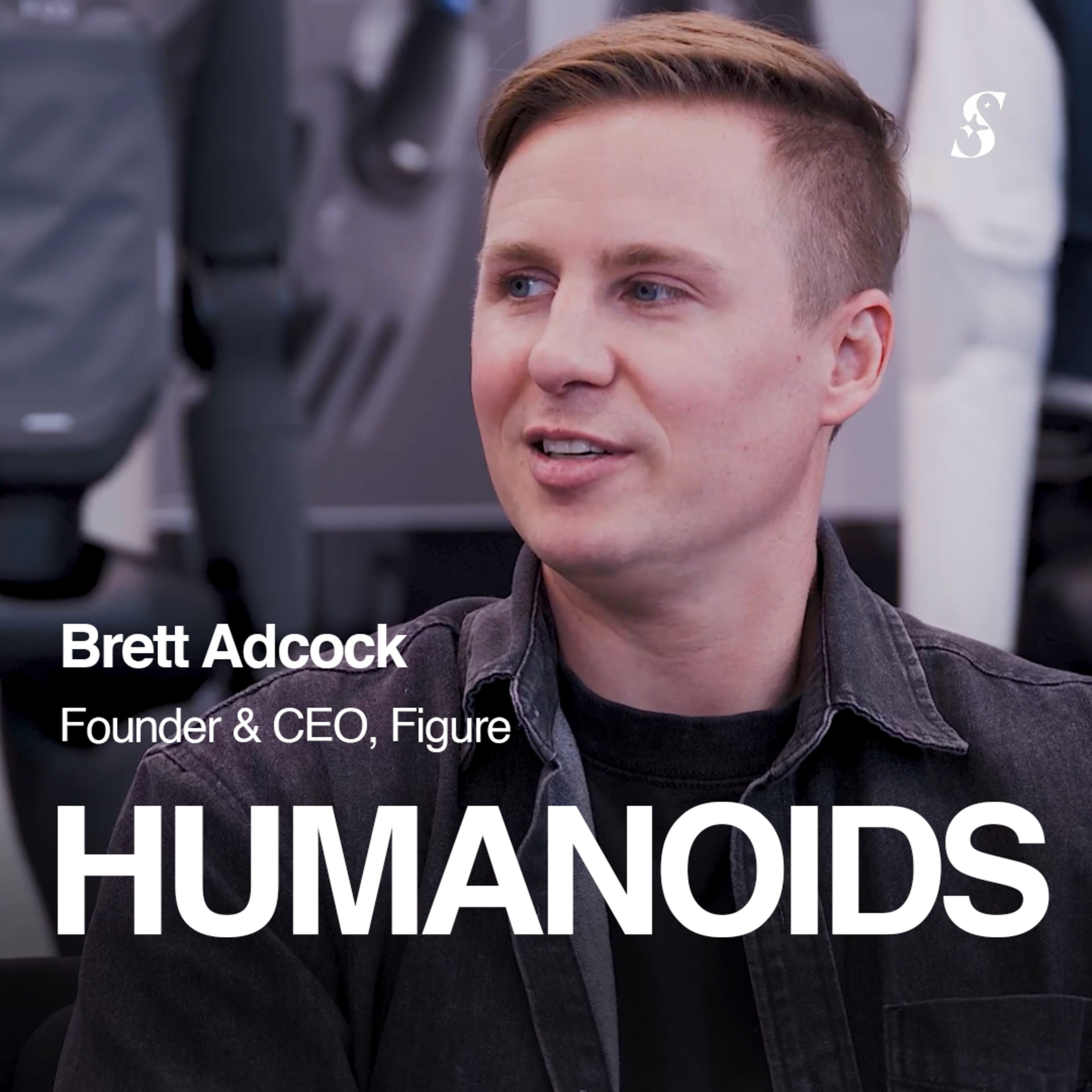
To run multiple deep-tech companies, Adcock made a radical decision five years ago to cut out all non-essential social activities, such as annual trips with friends. He dedicates his time strictly to his family and his companies, viewing this extreme focus as necessary for high performance.
Rockefeller attributed failure to a lack of concentration. He relentlessly focused on his business to the exclusion of all else, believing that mastering the art of concentrating on a single objective at the proper time is the key to monumental achievements.
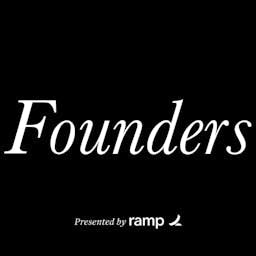
Aliko Dangote builds Africa's industrial capacity using a monopolistic playbook of leveraging political favors and pushing for import bans. With regulators freezing new petrol import licenses, Nigeria's energy security is effectively entrusted to one individual, which may harm consumers in the long term despite current benefits.
For 22 years, Ryan Smith's focus was monastically singular on Qualtrics. He didn't angel invest, sit on other boards, or have any side hustles. This intense, long-term dedication, avoiding all distractions, was a critical factor in the company's multi-billion dollar outcome.
While ambition was a factor, the primary motivators for Kukun's founder to leave a high-paying consulting job were non-financial. He wanted to stop constant travel to be present for his growing children and to build something tangible he could "finish," unlike consulting projects. This highlights that lifestyle can be a stronger driver than pure entrepreneurial zeal.

Dangote explains his intense work ethic, even in his late 60s, by framing his business not as a job but as a hobby. This mindset shift allows him to dedicate himself fully without burnout, transforming work into a passion he loves, despite believing business and pleasure don't mix.
The trend of running a holding company (a portfolio of businesses) is often a path to distraction and shallow expertise. The wealthiest entrepreneurs typically achieve success by focusing intensely on a single venture for an extended period, mastering its operations before considering diversification.