Get your free personalized podcast brief
We scan new podcasts and send you the top 5 insights daily.
Aliko Dangote builds Africa's industrial capacity using a monopolistic playbook of leveraging political favors and pushing for import bans. With regulators freezing new petrol import licenses, Nigeria's energy security is effectively entrusted to one individual, which may harm consumers in the long term despite current benefits.
Related Insights
When governments become top shareholders, corporate focus shifts from pleasing customers to securing political favor and appropriations. R&D budgets are reallocated to lobbying, and market competition devolves from building the best product to playing the policy game most effectively, strangling innovation.

As traditional economic-based antitrust enforcement weakens, a new gatekeeper for M&A has emerged: political cronyism. A deal's approval may now hinge less on market concentration analysis and more on a political leader’s personal sentiment towards the acquiring CEO, fundamentally changing the risk calculus for corporate strategists.

For 30 years, China identified rare earths as a strategic industry. By massively subsidizing its own companies and dumping product to crash prices, it methodically drove US and global competitors out of business, successfully creating a coercive dependency for the rest of the world.
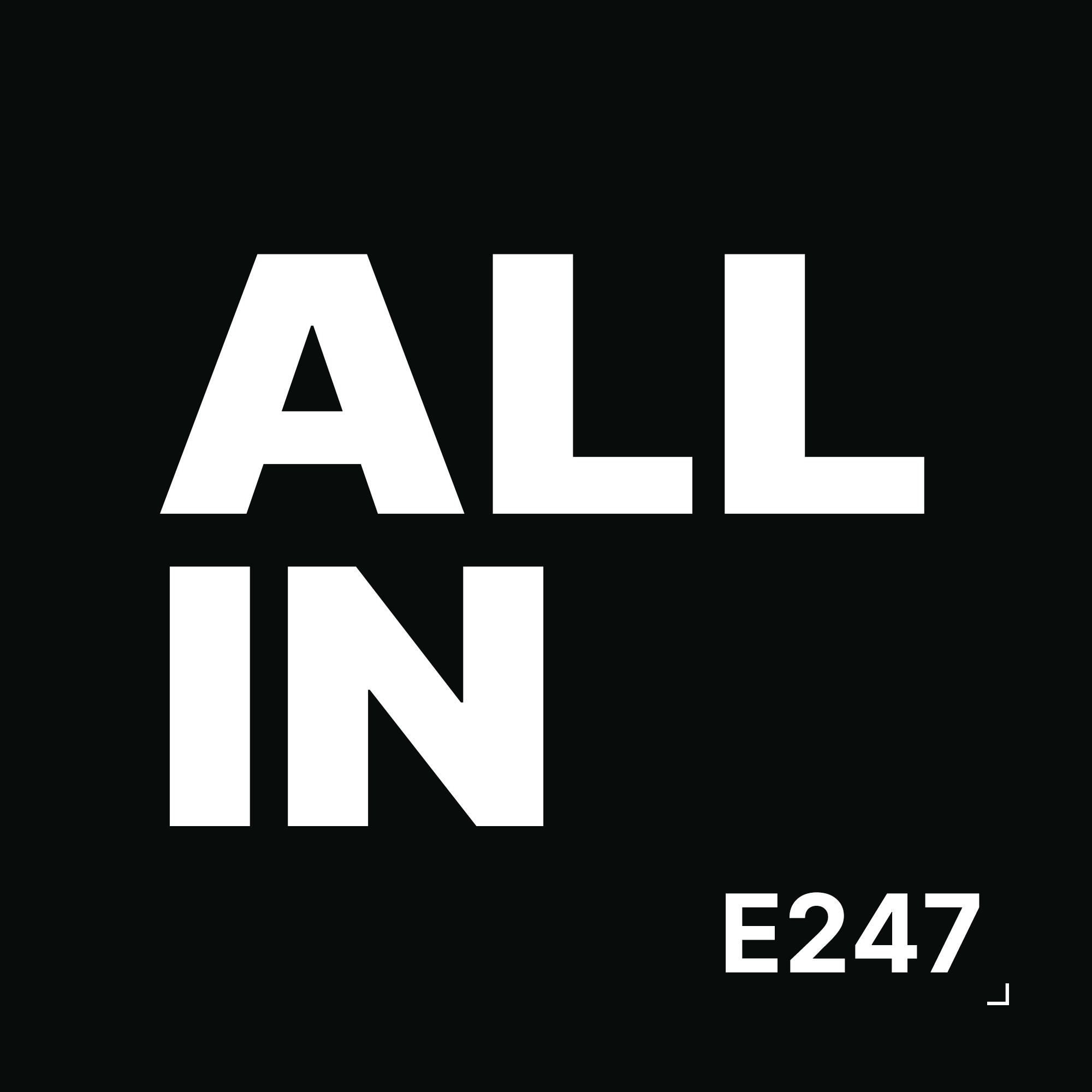
The primary benefit of Aliko Dangote's massive oil refinery for Nigeria is not just influencing prices, but guaranteeing the availability of petroleum products. This creates energy independence and resilience against geopolitical shocks, effectively ending decades of fuel shortages and making the refinery a strategic national asset.
China employs "weaponized pricing" by offering refining services at a negative cost, effectively paying countries to process their copper. This tactic makes it impossible for Western refiners to compete, ensuring China maintains its stranglehold on the critical midstream supply chain.

Despite ongoing political concerns, the most optimistic story in Africa is the rise of a robust private sector. This is particularly visible in agriculture and agribusiness, where pan-African conglomerates are emerging. These firms are creating value and operating across borders, demonstrating a new level of economic traction independent of state capacity.
Despite being a major Nigerian project, the Dangote refinery prioritizes efficiency by using a lean staff and relying heavily on foreign subcontractors, particularly Indian experts, for high-skilled roles. This approach limits the transfer of technical knowledge to the local workforce, undermining a key potential benefit of such a large domestic investment.
Geopolitical shifts mean a company's country of origin heavily influences its market access and tariff burdens. This "corporate nationality" creates an uneven playing field, where a business's location can instantly become a massive advantage or liability compared to competitors.
Chevrolet's surprising dominance in Uzbekistan, where 80% of cars are Chevys, is not due to consumer preference but a historical deal. After the USSR's fall, General Motors took over a local car plant with heavy government subsidies, effectively creating a captive market and making Uzbekistan its #2 market worldwide.

Linde's competitive advantage stems from network density. Transporting industrial gases over 100 miles is uneconomical, so Linde builds on-site plants for major clients and leverages that infrastructure to serve all other nearby customers, creating defensible local monopolies or duopolies in each region.