Get your free personalized podcast brief
We scan new podcasts and send you the top 5 insights daily.
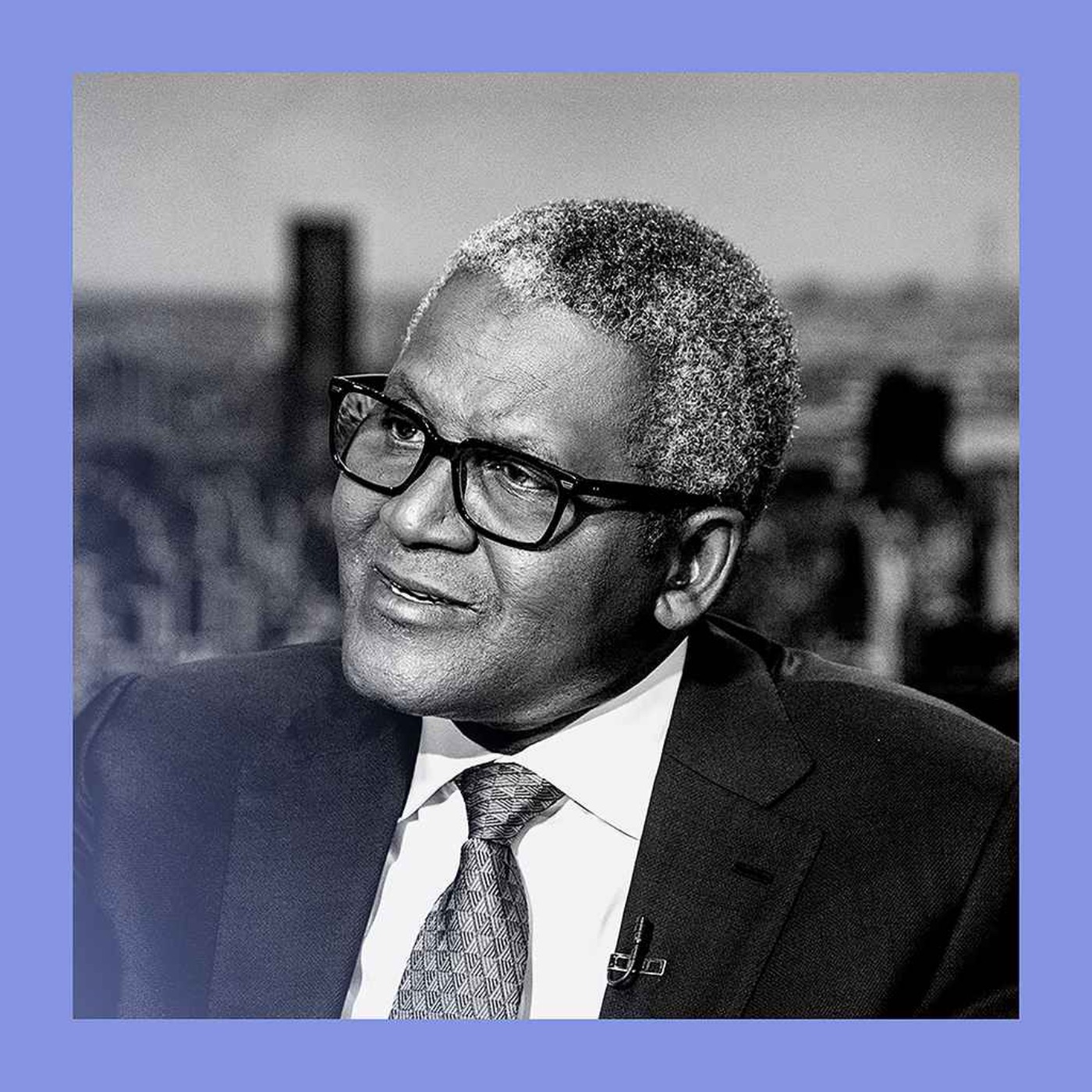
Despite being a major Nigerian project, the Dangote refinery prioritizes efficiency by using a lean staff and relying heavily on foreign subcontractors, particularly Indian experts, for high-skilled roles. This approach limits the transfer of technical knowledge to the local workforce, undermining a key potential benefit of such a large domestic investment.
Related Insights
The most significant long-term threat to the supply of critical materials isn't a lack of resources in the ground, but a lack of people. The aging workforce of geologists and mining engineers, with a shrinking pipeline of new talent, poses a greater systemic risk to the industry.

Critical manufacturing expertise is not easily codified in manuals; it's tacit knowledge embedded in experienced teams. Offshoring production leads to an irreversible loss of this 'process capital,' hindering a nation's ability to innovate and scale complex industries, as demonstrated by the transfer of German rocket scientists after WWII.

Despite tariffs making imports more expensive, moving furniture production back to the US is seen as unrealistic. The primary obstacle is not financial, but a critical shortage of trained workers who can and want to do the work, a deficit that tariffs cannot fix.

The primary benefit of Aliko Dangote's massive oil refinery for Nigeria is not just influencing prices, but guaranteeing the availability of petroleum products. This creates energy independence and resilience against geopolitical shocks, effectively ending decades of fuel shortages and making the refinery a strategic national asset.
Aliko Dangote builds Africa's industrial capacity using a monopolistic playbook of leveraging political favors and pushing for import bans. With regulators freezing new petrol import licenses, Nigeria's energy security is effectively entrusted to one individual, which may harm consumers in the long term despite current benefits.
The common practice of offshoring manufacturing, exemplified by Apple, creates a critical flaw by severing the feedback loop between designers and producers. This leads to suboptimal product design and simultaneously transfers advanced manufacturing skills and capabilities to other nations, like China.

Temasek's partnership philosophy is not about risk diversification. Instead, it prioritizes collaborating with partners who can augment its internal capabilities and provide specific skill sets it lacks for a given opportunity. This makes partnership a strategic tool for capability building, not just capital sharing.

In remote, services-based businesses, pressure to deliver quality and the difficulty of junior mentorship make hiring senior engineers a necessity. The cost and complexity of building remote training programs often outweigh the benefits of hiring less experienced talent.

Companies, especially in early stages, should resist outsourcing production too quickly. Keeping a new process in-house is essential for understanding its pain points, which is a prerequisite for being able to specify clear, effective requirements to an external vendor later on.

The current trend of replacing domestic engineering talent with AI parallels the offshoring wave of the early 2000s. Just as offshoring led to unforeseen communication and quality issues that brought clients back, using AI for complex projects creates similar problems, ultimately forcing companies to seek senior human engineers for rigor and experience.
