Get your free personalized podcast brief
We scan new podcasts and send you the top 5 insights daily.
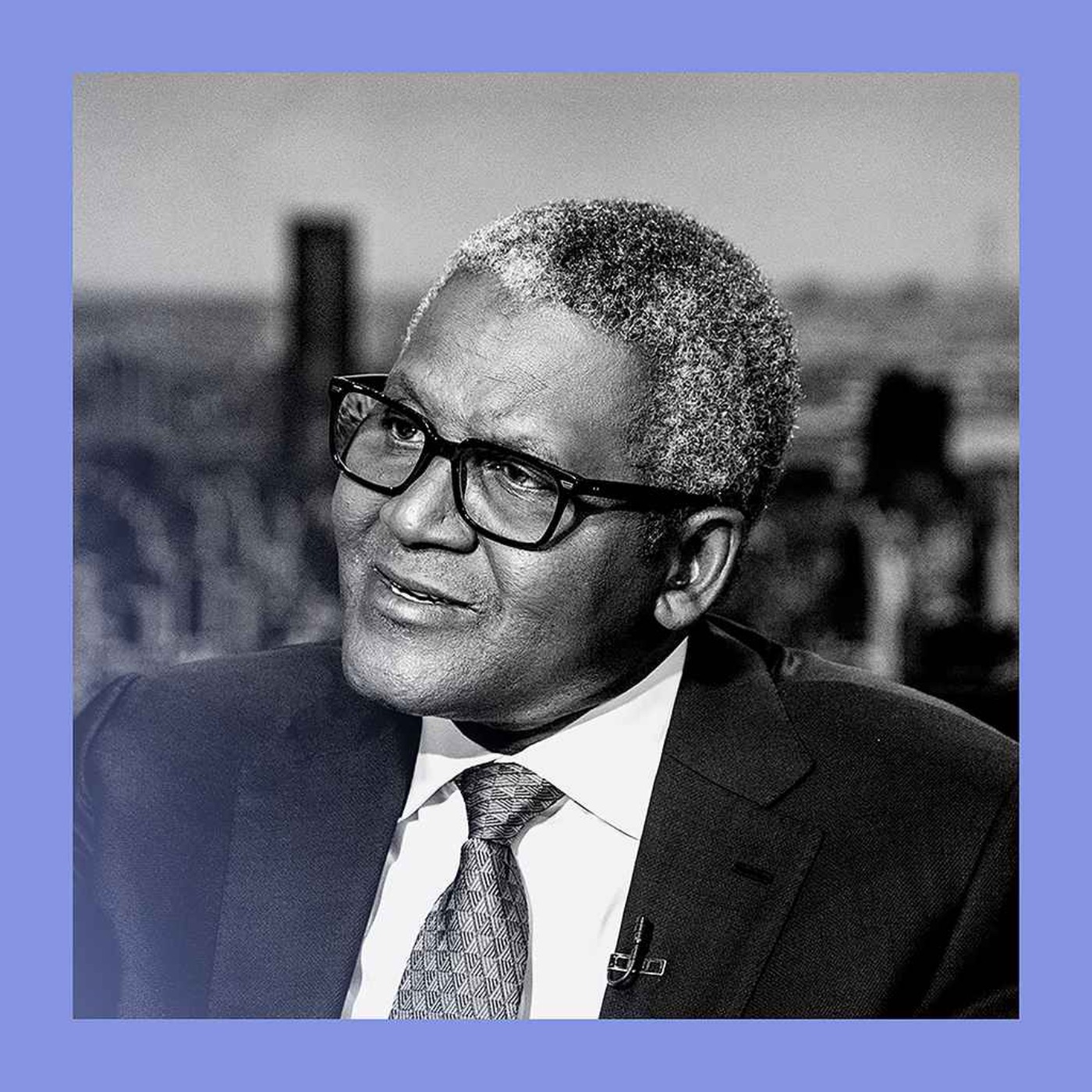
The primary benefit of Aliko Dangote's massive oil refinery for Nigeria is not just influencing prices, but guaranteeing the availability of petroleum products. This creates energy independence and resilience against geopolitical shocks, effectively ending decades of fuel shortages and making the refinery a strategic national asset.
Related Insights
Chevron's decision to remain in Venezuela, unlike other oil majors, isn't just about future potential. It's heavily influenced by massive, decades-long sunk costs, including U.S. Gulf Coast refineries specifically optimized to process Venezuela's unique heavy sour crude.

A potential restart of Venezuelan oil is significant because it is a heavy, diesel-rich crude that has become scarce as U.S. shale dominates supply with light oil. U.S. Gulf Coast refiners, built decades ago, are specifically configured to process this heavy crude, creating a unique high-margin opportunity.

Aliko Dangote builds Africa's industrial capacity using a monopolistic playbook of leveraging political favors and pushing for import bans. With regulators freezing new petrol import licenses, Nigeria's energy security is effectively entrusted to one individual, which may harm consumers in the long term despite current benefits.
Economic growth is a direct function of the reduction in the price of energy. Nations with access to cheap, locally available energy are almost uniformly wealthy, regardless of their system of governance, while those without it are almost uniformly poor.

China has stockpiled approximately three to four months' worth of crude oil. This strategic reserve, combined with its ability to shift from natural gas to coal, gives it significant versatility and reduces its vulnerability to supply disruptions from conflicts in the Straits of Hormuz.

For a country dependent on a powerful neighbor like the U.S., the path to a fairer relationship is creating leverage. This is achieved by developing independent infrastructure, like pipelines and LNG terminals, to sell resources to other world markets. With viable alternatives, the country can negotiate from a position of strength, not desperation.

Global supply chain disruptions are not universally negative; they create niche economic booms. When Houthi attacks forced ships to bypass the Red Sea and circumnavigate Africa, ship fuel suppliers in Southern African ports saw a massive, unexpected surge in business as they became essential refueling stops on the new routes.
Despite being a major Nigerian project, the Dangote refinery prioritizes efficiency by using a lean staff and relying heavily on foreign subcontractors, particularly Indian experts, for high-skilled roles. This approach limits the transfer of technical knowledge to the local workforce, undermining a key potential benefit of such a large domestic investment.
China uses small, independent "teapot" refineries to buy sanctioned oil from nations like Iran. These entities are more risk-tolerant than state-owned giants because they have little exposure to the U.S. dollar system. This parallel structure allows China to secure cheap energy while its major firms avoid direct sanctions risk.
Faced with geopolitical uncertainty in key supplier nations, China employs a dual strategy for energy security. It has built a massive oil stockpile providing 120 days of cover for supply disruptions. Concurrently, it's rapidly electrifying its transport sector to reduce its long-term dependence on imported oil.
